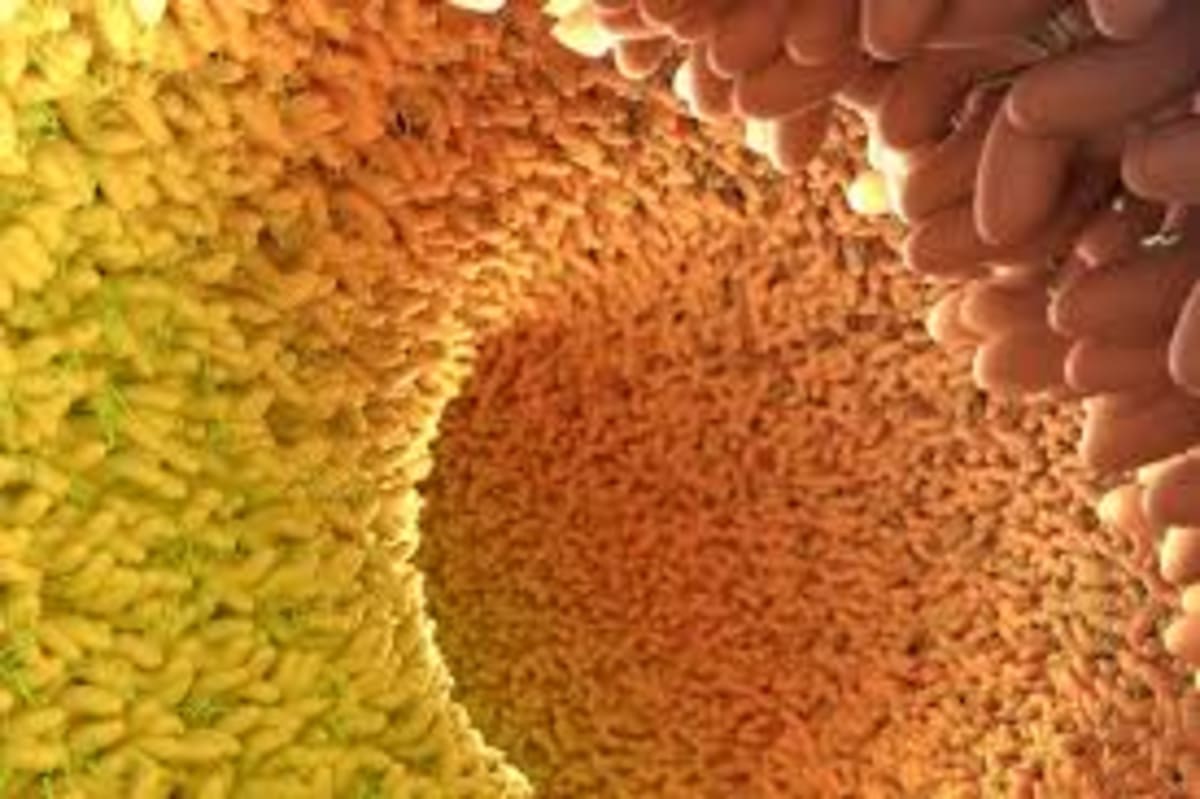
Executive Summary
Researchers at Marshall University's Joan C. Edwards School of Medicine have identified a previously unrecognized mechanism linking gut-derived particles to age-related inflammation and chronic diseases. The study, published in Cell Reports, suggests that these microscopic particles may act as biological triggers, fueling systemic inflammation and accelerating biological aging. While the findings are preliminary, they underscore the critical role of gut health in long-term wellness and highlight actionable strategies to mitigate inflammation and support healthy aging.
What Happened
A team of researchers at Marshall University's Joan C. Edwards School of Medicine has uncovered a potential link between gut-derived particles and the biological processes that drive aging. The study, published in Cell Reports, focuses on extracellular vesicles—tiny, membrane-bound particles released by gut cells—which may play a previously unrecognized role in systemic inflammation and age-related disease.
Unlike typical gut bacteria or metabolites, these vesicles contain proteins, lipids, and genetic material that can interact with distant tissues, including the brain, liver, and immune system. The research team found that these particles accumulate in the bloodstream with age, correlating with increased markers of inflammation and cellular aging. This discovery suggests that the gut may act as a central regulator of systemic inflammation, influencing not only digestive health but also metabolic, cardiovascular, and neurological function.
The study builds on prior research indicating that gut health declines with age, often due to factors like reduced microbial diversity, increased intestinal permeability, and chronic low-grade inflammation. However, this is the first to directly implicate gut-derived vesicles in the aging process, offering a new lens through which to understand—and potentially intervene in—the biology of aging.
Why Public Health Officials Are Concerned
The implications of this research extend far beyond individual health, raising concerns for public health systems worldwide. Chronic inflammation is a well-documented driver of some of the most pressing global health challenges, including cardiovascular disease, type 2 diabetes, and neurodegenerative disorders like Alzheimer's disease. If gut-derived vesicles are confirmed as a primary source of this inflammation, they could represent a novel target for prevention and intervention strategies.
Public health experts emphasize that the findings highlight the urgent need for population-level interventions that prioritize gut health from early life. Poor dietary habits, sedentary lifestyles, and widespread antibiotic use have all been linked to disrupted gut microbiomes, which may contribute to the production of these inflammatory vesicles. Addressing these factors could not only improve individual health outcomes but also reduce the burden on healthcare systems grappling with aging populations and rising rates of chronic disease.
The study also raises questions about the long-term effects of modern lifestyles on gut health. Processed foods, high-sugar diets, and chronic stress have all been shown to alter gut microbiota composition, potentially increasing the production of these inflammatory vesicles. Public health officials are now calling for further research to determine whether interventions targeting gut health could delay the onset of age-related diseases at a population level.
Symptoms or Risk Factors
While the study focuses on biological mechanisms rather than clinical symptoms, several risk factors and lifestyle habits may increase the likelihood of gut-derived inflammation and its associated health risks:
- Chronic low-grade inflammation: Persistent inflammation, often asymptomatic, is a key risk factor for many age-related diseases. It can manifest as fatigue, joint pain, or frequent infections.
- Metabolic dysfunction: Conditions like obesity, insulin resistance, and type 2 diabetes are closely linked to gut health and inflammation. Poor metabolic health may exacerbate the production of gut-derived vesicles.
- Poor sleep quality: Sleep disturbances disrupt gut microbiota balance and increase intestinal permeability, potentially leading to higher levels of inflammatory vesicles.
- Chronic stress: Prolonged stress alters gut microbiota composition and increases inflammation, creating a feedback loop that may accelerate aging.
- Antibiotic overuse: Antibiotics can disrupt the gut microbiome, reducing microbial diversity and increasing the risk of dysbiosis, which may promote the production of inflammatory vesicles.
- High-sugar and processed food diets: Diets rich in ultra-processed foods and added sugars have been linked to gut dysbiosis and increased inflammation.
Who May Be Affected
The mechanisms described in this study have broad implications for multiple populations, particularly those with preexisting health conditions or lifestyle risk factors. Key groups that may be disproportionately affected include:
- Older adults: Aging is associated with natural declines in gut health, including reduced microbial diversity and increased intestinal permeability. These changes may lead to higher production of inflammatory vesicles, accelerating biological aging and increasing the risk of chronic diseases.
- Individuals with metabolic disorders: People with obesity, type 2 diabetes, or metabolic syndrome often exhibit gut dysbiosis and chronic inflammation, which may exacerbate the effects of gut-derived vesicles.
- Those with autoimmune conditions: Autoimmune diseases, such as rheumatoid arthritis and inflammatory bowel disease, are characterized by heightened immune responses. Gut-derived vesicles may further amplify inflammation in these individuals.
- People with poor sleep habits: Chronic sleep deprivation disrupts gut microbiota balance and increases intestinal permeability, potentially increasing the production of inflammatory vesicles.
- Individuals with high-stress lifestyles: Prolonged stress alters gut microbiota composition and increases inflammation, creating conditions that may promote the production of these vesicles.
Government or WHO Response
While this study is still in its early stages, its findings align with broader public health priorities set by organizations like the World Health Organization (WHO) and the Centers for Disease Control and Prevention (CDC). The WHO's Global Strategy on Diet, Physical Activity, and Health emphasizes the importance of gut health in preventing noncommunicable diseases, while the CDC highlights the role of chronic inflammation in driving healthcare costs and reducing quality of life.
Public health agencies are increasingly recognizing the need for research into the gut-brain axis, gut-liver axis, and gut-immune system interactions. The Marshall University study adds to the growing body of evidence supporting dietary and lifestyle interventions as key strategies for reducing inflammation and promoting healthy aging. Governments and health organizations may prioritize funding for further research into gut-derived vesicles and their role in disease prevention.
In the meantime, public health campaigns may begin to incorporate gut health messaging into broader nutrition and wellness initiatives. For example, the WHO's Guidelines on Healthy Diet already recommend high-fiber diets, which support gut microbiota diversity and may help regulate the production of inflammatory vesicles. Future guidelines may place even greater emphasis on gut health as a cornerstone of disease prevention.
Prevention and Safety Guidance
While the research is still evolving, there are evidence-based strategies individuals can adopt to support gut health and potentially reduce the production of inflammatory vesicles. These recommendations are consistent with guidelines from the WHO, CDC, and National Institutes of Health (NIH):
- Adopt a fiber-rich diet: Diets high in fiber, particularly soluble fiber found in fruits, vegetables, legumes, and whole grains, support gut microbiota diversity and reduce inflammation. The WHO recommends a daily fiber intake of at least 25 grams for adults.
- Incorporate probiotic and prebiotic foods: Fermented foods like yogurt, kefir, sauerkraut, and kimchi contain live beneficial bacteria that may help regulate gut health. Prebiotic foods, such as garlic, onions, and bananas, provide fuel for these bacteria.
- Prioritize sleep hygiene: Aim for 7-9 hours of quality sleep per night. Poor sleep disrupts gut microbiota balance and increases intestinal permeability, which may exacerbate inflammation. The CDC recommends establishing a consistent sleep schedule and creating a restful sleep environment.
- Engage in regular physical activity: Exercise has been shown to reduce inflammation and support metabolic health. The WHO recommends at least 150 minutes of moderate-intensity aerobic activity per week for adults.
- Manage chronic stress: Chronic stress alters gut microbiota composition and increases inflammation. Techniques such as mindfulness, meditation, and deep breathing exercises may help mitigate these effects. The American Psychological Association recommends incorporating stress-reduction practices into daily routines.
- Limit antibiotic use: Antibiotics can disrupt gut microbiota diversity, increasing the risk of dysbiosis. Only use antibiotics when prescribed by a healthcare provider, and consider probiotic supplementation during and after treatment if recommended by a physician.
- Reduce intake of processed foods and added sugars: Diets high in ultra-processed foods and added sugars have been linked to gut dysbiosis and increased inflammation. The WHO recommends limiting free sugar intake to less than 10% of total energy intake.
- Stay hydrated: Adequate hydration supports gut motility and microbiota balance. The NIH recommends drinking at least 2 liters of water daily, though individual needs may vary.
What Readers Should Know
This study represents a significant step forward in our understanding of the gut's role in aging and chronic disease. While the findings are preliminary, they underscore the importance of gut health as a cornerstone of long-term wellness. For readers, the key takeaway is that the gut is far more than just a digestive organ—it is a dynamic and influential system that interacts with nearly every other organ in the body.
Rather than waiting for further research, individuals can take proactive steps to support their gut health today. Small, sustainable changes to diet, sleep, and lifestyle can have a profound impact on gut microbiota composition and inflammation levels. For those with preexisting health conditions, working closely with a healthcare provider to manage symptoms and reduce long-term risks is essential.
The study also highlights the need for a holistic approach to health. Rather than focusing solely on individual diseases or symptoms, it encourages a broader perspective that considers the interconnectedness of bodily systems. This aligns with the principles of integrative medicine, which emphasizes the importance of addressing root causes rather than just treating symptoms.
Finally, the research serves as a reminder that aging is not an inevitable decline but a process that can be influenced by lifestyle and environmental factors. By prioritizing gut health, individuals may not only slow the biological aging process but also reduce their risk of chronic diseases and improve their overall quality of life.
Key Takeaways
- Gut-derived extracellular vesicles may act as biological triggers for systemic inflammation and accelerated aging, according to new research from Marshall University.
- Chronic inflammation driven by gut health is linked to major age-related diseases, including diabetes, heart disease, and neurodegenerative disorders.
- Lifestyle factors such as diet, sleep, stress, and exercise play a critical role in regulating gut health and reducing inflammation.
- Public health experts emphasize the need for population-level interventions that prioritize gut health to address rising rates of chronic disease.
- Evidence-based strategies, such as high-fiber diets, probiotic foods, and regular physical activity, can support gut health and potentially slow biological aging.
Frequently Asked Questions
What are gut-derived extracellular vesicles, and how do they contribute to aging?
Gut-derived extracellular vesicles are tiny, membrane-bound particles released by gut cells. They contain proteins, lipids, and genetic material that can interact with distant tissues, including the brain, liver, and immune system. As we age, these vesicles accumulate in the bloodstream and may promote systemic inflammation, which is a key driver of age-related diseases and biological aging.
How can diet influence gut health and inflammation?
Diet plays a crucial role in shaping gut microbiota composition and regulating inflammation. Diets high in fiber, probiotics, and anti-inflammatory foods support gut health, while diets rich in processed foods, added sugars, and unhealthy fats can disrupt gut microbiota balance and increase inflammation. The WHO recommends a daily fiber intake of at least 25 grams for adults to support gut health.
What lifestyle changes can I make to support gut health and reduce inflammation?
Several evidence-based strategies can support gut health and reduce inflammation, including adopting a fiber-rich diet, incorporating probiotic and prebiotic foods, prioritizing sleep hygiene, engaging in regular physical activity, managing chronic stress, limiting antibiotic use, and reducing intake of processed foods and added sugars. The CDC and NIH provide guidelines on these practices.
Are there specific foods that promote gut health?
Yes. Foods rich in fiber, such as fruits, vegetables, legumes, and whole grains, support gut microbiota diversity. Fermented foods like yogurt, kefir, sauerkraut, and kimchi contain live beneficial bacteria, while prebiotic foods like garlic, onions, and bananas provide fuel for these bacteria. The WHO recommends incorporating these foods into a balanced diet.
How does poor sleep affect gut health and inflammation?
Poor sleep disrupts gut microbiota balance and increases intestinal permeability, which may lead to higher production of inflammatory gut-derived vesicles. Chronic sleep deprivation is also associated with increased inflammation and metabolic dysfunction. The CDC recommends aiming for 7-9 hours of quality sleep per night to support overall health.
What role does exercise play in gut health and aging?
Regular physical activity has been shown to reduce inflammation and support metabolic health, potentially counteracting the effects of gut-derived vesicles. Exercise promotes gut microbiota diversity and may improve intestinal barrier function. The WHO recommends at least 150 minutes of moderate-intensity aerobic activity per week for adults.
Medical Review: MedSense Editorial Board





DISCUSSION (0)
POST A COMMENT