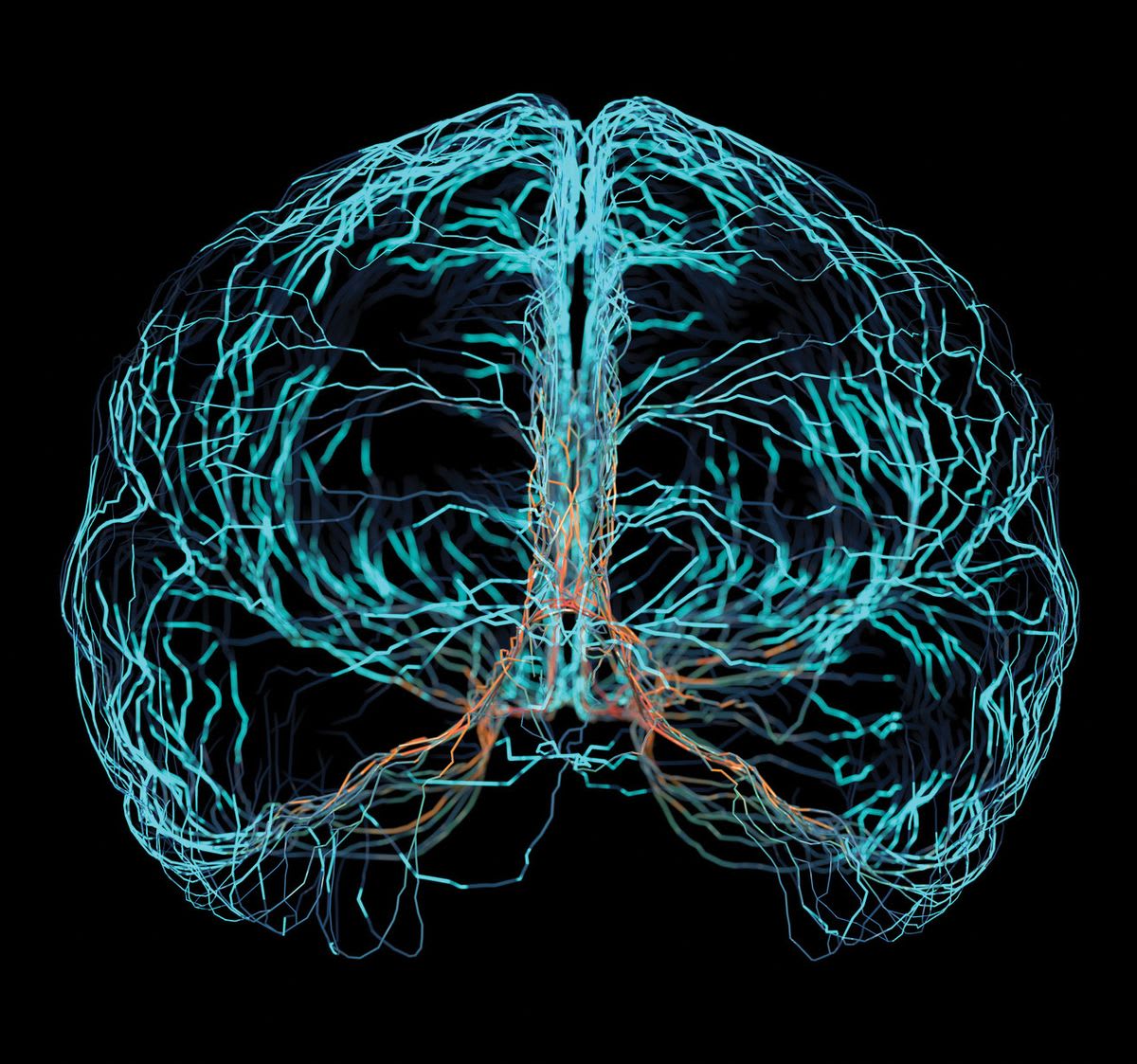
For decades, scientists have viewed protein clumps in the brain as harbingers of destruction, the toxic signatures of diseases like Huntington’s and Alzheimer’s. But a paradigm shifting study now suggests these aggregates may not be the villains we assumed. Instead, they appear to function as a cellular quarantine system, shielding neurons from further damage. The discovery of ATF3 as the molecular switch orchestrating this defense mechanism opens a new frontier in neuroscience, one where the goal may no longer be to eliminate these clumps but to bolster the brain’s innate resilience.
Clinical Significance
Neurodegenerative diseases have long been defined by the presence of misfolded protein aggregates, which were presumed to drive cellular dysfunction and death. This study, published in Nature Neuroscience, flips that narrative by demonstrating that these clumps may serve a protective role. The findings challenge the foundational assumption of many therapeutic approaches, which have focused on dissolving or preventing protein aggregation. If these structures are indeed part of the brain’s survival strategy, treatments may need to pivot toward enhancing their protective functions rather than dismantling them.
Deep Dive and Research Findings
The research team, led by scientists at the University of Cambridge, identified ATF3 as a critical regulator of protein aggregate formation. Using cellular and mouse models of Huntington’s disease, they observed that ATF3 activation triggered the formation of protein clumps that sequestered toxic misfolded proteins, effectively isolating them from the rest of the cell. Neurons with these aggregates showed improved survival rates compared to those without, suggesting the clumps acted as a buffer against cellular stress.
Further experiments revealed that ATF3 does not merely promote clumping but also modulates the cellular environment to support neuronal health. The protein appears to enhance the expression of stress response genes, creating a feedback loop that reinforces the brain’s defenses. This dual role, both as a structural organizer and a genetic regulator, positions ATF3 as a potential therapeutic target for a range of neurodegenerative conditions.
Future Outlook and Medical Implications
The implications of this research extend far beyond Huntington’s disease. Protein aggregation is a hallmark of several neurodegenerative disorders, including Alzheimer’s, Parkinson’s, and amyotrophic lateral sclerosis (ALS). If ATF3 or similar pathways can be harnessed to strengthen the brain’s natural defenses, it could pave the way for treatments that slow disease progression rather than merely alleviating symptoms.
However, the path forward is not without challenges. The study raises critical questions about the long term effects of protein aggregates. While they may offer short term protection, could they eventually become detrimental if they accumulate beyond a certain threshold? Future research will need to explore the balance between protective aggregation and pathological buildup, as well as identify biomarkers to monitor this process in patients.
Patient or Practitioner Guidance
For patients and caregivers, this study offers a message of cautious optimism. While no immediate changes to treatment protocols are expected, the findings underscore the importance of supporting research that explores the body’s natural resilience. Clinicians may soon need to reconsider how they interpret protein aggregates in diagnostic imaging or biomarker studies, shifting from a purely pathological lens to one that acknowledges their potential protective role.
For researchers, the discovery of ATF3 opens new avenues for drug development. Targeting this protein or its downstream pathways could lead to therapies that enhance the brain’s ability to quarantine toxic proteins, potentially delaying the onset or progression of neurodegenerative diseases. As the field evolves, collaboration between basic scientists, clinicians, and pharmaceutical developers will be essential to translate these findings into tangible benefits for patients.
Key Takeaways
- Protein clumps in the brain, long considered toxic, may act as a protective quarantine system for neurons.
- ATF3 has been identified as a key regulator of this process, offering a potential new target for neurodegenerative disease treatments.
- The study challenges traditional approaches that aim to eliminate protein aggregates, suggesting instead that enhancing their protective functions could be more effective.
- Future research must explore the balance between short term protection and long term risks of protein aggregation.
Frequently Asked Questions
What are protein aggregates, and why are they significant in neurodegenerative diseases?
Protein aggregates are clumps of misfolded proteins that accumulate in the brain. They have been associated with diseases like Huntington’s, Alzheimer’s, and Parkinson’s, where they were traditionally thought to cause cellular damage. This study suggests they may also play a protective role by isolating toxic proteins.
How does ATF3 contribute to this protective mechanism?
ATF3 acts as a molecular switch that promotes the formation of protein aggregates while also enhancing the expression of stress response genes. This dual function helps neurons survive by quarantining toxic proteins and reinforcing cellular defenses.
Does this mean current treatments for neurodegenerative diseases are misguided?
Not necessarily. While this study challenges the assumption that protein aggregates are purely harmful, it does not invalidate existing treatments. Instead, it suggests that future therapies might benefit from a more nuanced approach, such as enhancing the protective aspects of aggregation rather than solely targeting its elimination.
What are the next steps for this research?
Researchers will need to investigate the long term effects of protein aggregates, determine the optimal balance between protection and pathology, and explore how ATF3 or similar pathways can be safely targeted in humans. Clinical trials will be essential to translate these findings into effective treatments.
Should patients with neurodegenerative diseases change their current treatment plans based on this study?
No. This research is still in its early stages, and no immediate changes to treatment protocols are recommended. Patients should continue to follow their healthcare provider’s guidance and stay informed about emerging developments in the field.
Medical Review: MedSense Editorial Board




DISCUSSION (0)
POST A COMMENT