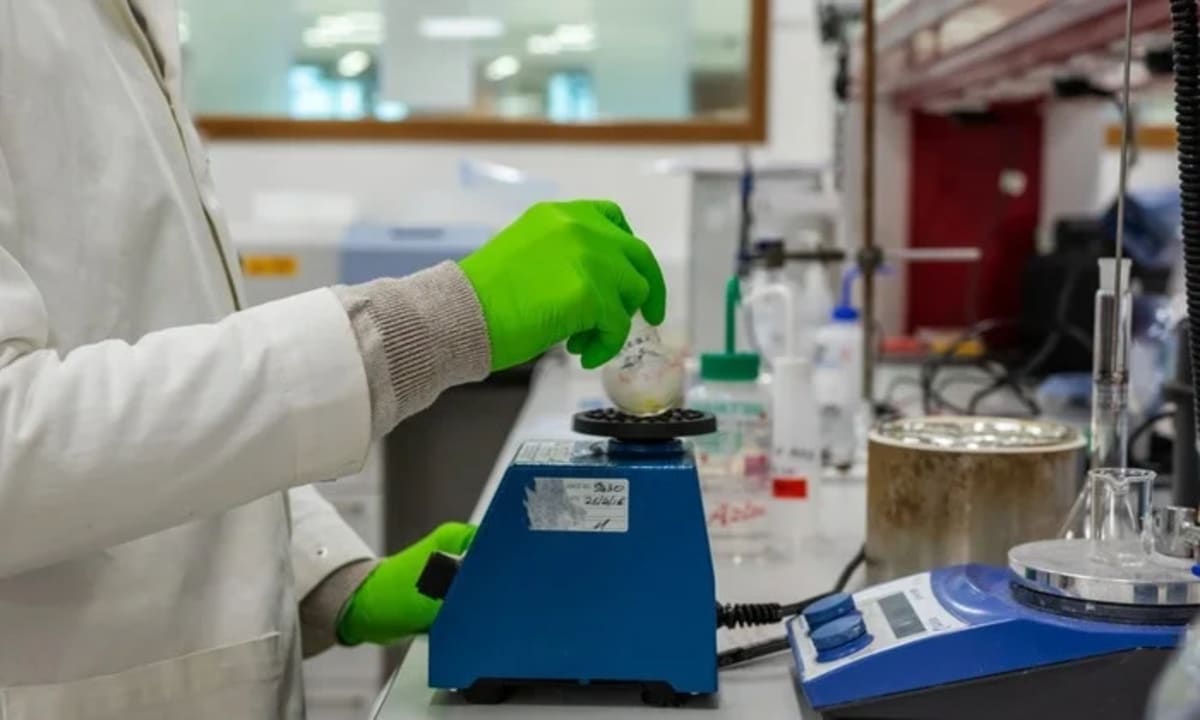
A hidden language of sugars on the surface of human cells is emerging as a powerful tool for detecting disease at its earliest stages. Scientists at the Max Planck Institute have developed a cutting edge imaging technique to map these intricate sugar structures, known as glycans, uncovering patterns that shift dramatically depending on a cell’s health and activity. The findings, published in a recent study, reveal that immune cells alter their sugar signatures when activated, while cancerous tissues display distinct glycan profiles compared to healthy cells. This discovery could pave the way for more precise, non invasive diagnostics, particularly in oncology, where early detection remains a critical challenge.
Clinical Significance
Glycans, the sugar molecules coating the surface of cells, have long been overlooked in medical diagnostics despite their role in cell signaling, immune response, and disease progression. Unlike DNA or proteins, glycans form complex, dynamic structures that change in response to cellular activity. This variability has made them difficult to study, until now. The Max Planck Institute’s breakthrough in glycan imaging offers a new lens through which to view disease, particularly cancer, where subtle changes in cell surface sugars could serve as early warning signs.
Deep Dive and Research Findings
The research team employed a technique called Glycan Atlasing, which combines advanced microscopy with computational analysis to visualize and map glycan structures on cell surfaces. By comparing healthy and diseased tissues, they observed that cancer cells exhibited distinct glycan patterns, differing not only in composition but also in spatial organization. For example, immune cells undergoing activation displayed rapid shifts in their sugar layouts, suggesting that glycans play an active role in cellular communication and response.
The study also highlighted the potential for glycan based biomarkers. Unlike traditional protein markers, which can be ambiguous or late to appear, glycan signatures may offer a more nuanced and timely indication of disease. This could be particularly valuable in cancers like pancreatic or ovarian, where early detection is often elusive and survival rates remain low.
Future Outlook and Medical Implications
The implications of this research extend beyond cancer. Glycan patterns could provide insights into autoimmune disorders, infectious diseases, and even neurodegenerative conditions, where cell surface sugars influence immune recognition and pathogen interaction. However, translating these findings into clinical tools will require further validation. Researchers must now determine whether glycan signatures are consistent across diverse populations and whether they can be detected using less specialized equipment than the advanced imaging used in the study.
If successful, glycan based diagnostics could complement existing screening methods, offering a non invasive, highly specific approach to early disease detection. This could reduce reliance on biopsies and imaging techniques that are often costly, invasive, or limited in sensitivity.
Patient or Practitioner Guidance
For patients, this research underscores the importance of early detection and the potential for future advancements in diagnostic technology. While glycan based tests are not yet available, individuals at high risk for certain cancers, such as those with a family history or genetic predisposition, should remain vigilant about regular screenings and consult their healthcare providers about emerging diagnostic options.
For clinicians, the study highlights the growing role of glycobiology in medicine. As research progresses, practitioners may need to familiarize themselves with glycan related biomarkers and their potential applications in personalized medicine. Staying informed about these developments could help providers offer more targeted, proactive care to their patients.
Key Takeaways
- Scientists have mapped hidden sugar structures on cell surfaces, revealing distinct patterns linked to disease states like cancer and immune activation.
- Glycan Atlasing, a new imaging technique, could enable earlier and more precise disease detection by identifying unique sugar signatures on cells.
- This breakthrough may lead to non invasive diagnostic tools, particularly for cancers where early detection is critical but currently challenging.
Frequently Asked Questions
What are glycans, and why are they important in disease detection?
Glycans are sugar molecules that coat the surface of cells, playing a key role in cell signaling, immune response, and disease progression. Their dynamic structures change in response to cellular activity, making them potential biomarkers for early disease detection, particularly in cancer.
How does Glycan Atlasing work?
Glycan Atlasing combines advanced microscopy with computational analysis to visualize and map the sugar structures on cell surfaces. This technique allows researchers to compare glycan patterns in healthy and diseased tissues, identifying distinct signatures associated with specific conditions.
Could this research lead to new cancer screening methods?
Yes, if further validated, glycan based diagnostics could complement existing cancer screening methods. These tests may offer a non invasive, highly specific approach to early detection, potentially improving outcomes for cancers that are often diagnosed late, such as pancreatic or ovarian cancer.
When might glycan based tests become available to patients?
While the research is promising, glycan based tests are not yet available for clinical use. Further studies are needed to validate the findings across diverse populations and develop accessible diagnostic tools. It may take several years before these tests are widely implemented.
Medical Review: MedSense Editorial Board





DISCUSSION (0)
POST A COMMENT