Clinical Significance
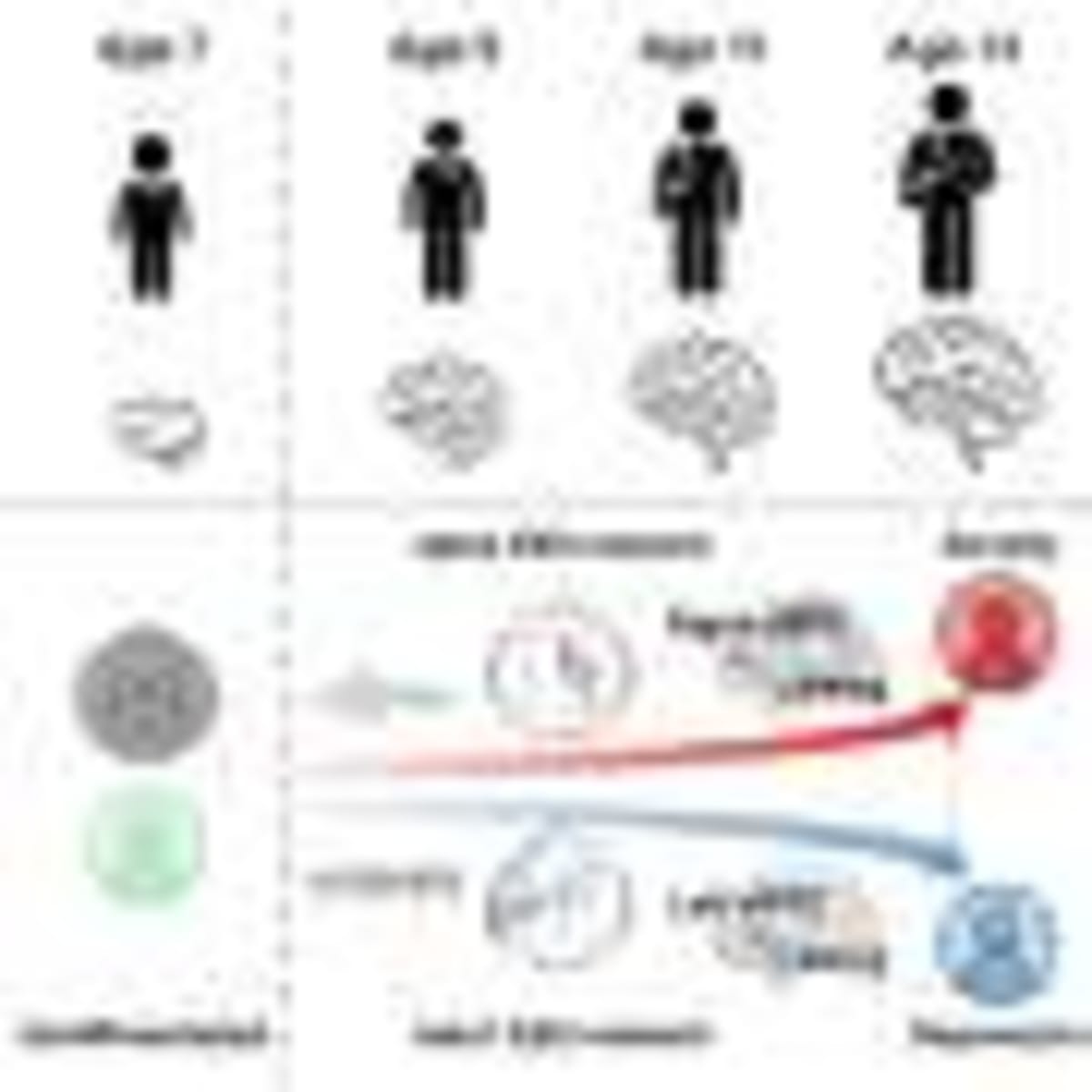
This study provides the first evidence that brain activity patterns detectable in late childhood can serve as early indicators of future mental health challenges. By identifying these neural markers, clinicians may one day screen children as young as 9 for susceptibility to anxiety or depression, enabling targeted prevention programs before symptoms manifest. The research also highlights the importance of hemispheric specialization in emotional regulation, with anxiety linked to right brain activity and depression tied to left brain patterns.
Deep Dive and Research Findings
The study, conducted by a team of neuroscientists and child psychologists, followed 212 children from ages 9 to 16. Using electroencephalography (EEG), researchers measured brain wave patterns at multiple points during the study period. They discovered that children who later developed anxiety showed heightened electrical activity in the right frontal region of the brain, while those who experienced depression exhibited increased activity in the left frontal area. These patterns emerged consistently across the cohort, suggesting a neurodevelopmental basis for emotional vulnerability.
The research team noted that these brain wave differences were not present at age 6 but became detectable by age 9, indicating a critical period of neurodevelopment when emotional processing circuits mature. The findings align with existing theories about the role of hemispheric asymmetry in emotional regulation, where the right hemisphere is associated with negative emotions and the left with positive or approach related emotions.
Future Outlook and Medical Implications
While the study does not yet provide a clinical screening tool, it lays the groundwork for developing objective biomarkers for pediatric mental health risk. Researchers are now exploring whether these brain wave patterns can be modified through interventions such as cognitive behavioral therapy, mindfulness training, or neurofeedback. If successful, such approaches could reshape early mental health care by shifting the focus from reactive treatment to proactive prevention.
The implications extend beyond individual patient care. Public health systems could integrate these findings into school based mental health programs, identifying at risk children before they experience significant emotional distress. Policymakers may also consider funding longitudinal studies to validate these biomarkers across diverse populations, ensuring equitable access to early intervention strategies.
Patient or Practitioner Guidance
For parents and caregivers, the study serves as a reminder of the importance of monitoring children's emotional well being from an early age. While brain wave patterns alone cannot predict a child's future mental health with certainty, they offer a new lens for understanding emotional development. Clinicians should consider incorporating EEG screening into comprehensive mental health assessments for children exhibiting early signs of emotional difficulties, such as excessive worry, social withdrawal, or persistent sadness.
For researchers, the study opens avenues for exploring the genetic and environmental factors that influence these brain wave patterns. Future work could examine whether interventions targeting specific neural circuits can alter these trajectories, potentially reducing the incidence of anxiety and depression in adolescence and adulthood.
Key Takeaways
- Brain wave patterns detectable at age 9 can forecast vulnerability to anxiety or depression by age 13.
- Anxiety is linked to heightened right brain activity, while depression is associated with increased left brain activity.
- The findings highlight a critical neurodevelopmental window for early mental health intervention.
- EEG screening may become a tool for identifying at risk children before symptoms emerge.
Frequently Asked Questions
Can these brain wave patterns definitively predict anxiety or depression in children?
The study identifies correlations between brain wave patterns at age 9 and later mental health outcomes, but these patterns are not definitive predictors. They serve as risk indicators that may guide early intervention rather than confirm a diagnosis.
What age is the ideal time to screen children for these brain wave patterns?
The study suggests that age 9 is a critical window for detecting these patterns, as they were not present at age 6 but became detectable by age 9. Earlier screening may not capture the relevant neurodevelopmental changes.
How could schools use this research to support student mental health?
Schools could integrate EEG screening into broader mental health programs, identifying at risk children and providing targeted interventions such as counseling, mindfulness training, or social emotional learning activities.
Are there interventions that can modify these brain wave patterns?
Researchers are exploring whether interventions like cognitive behavioral therapy, neurofeedback, or mindfulness training can alter these brain wave patterns. Early studies suggest these approaches may help, but further research is needed.
Medical Review: MedSense Editorial Board





DISCUSSION (0)
POST A COMMENT