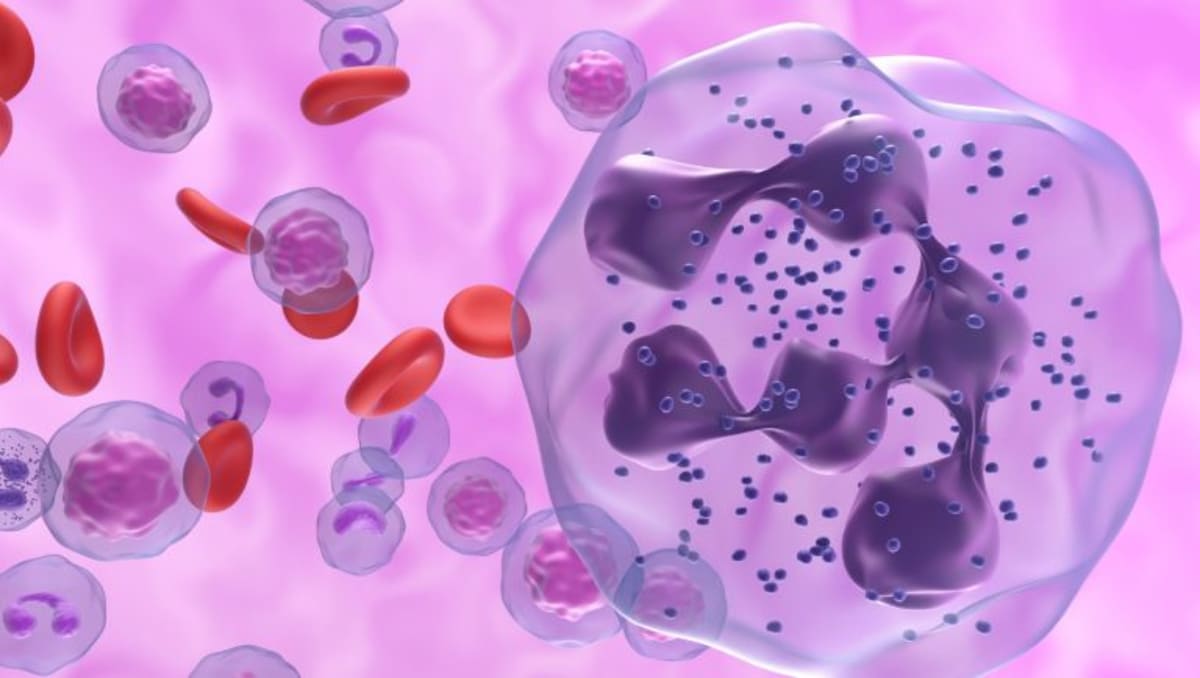
A protein previously associated exclusively with brain function in schizophrenia has now been detected in neutrophils, the most abundant immune cells circulating in human blood. Researchers at Stanford Medicine made the unexpected discovery while investigating immune system contributions to psychiatric disorders, revealing a potential biological bridge between immune activity and schizophrenia pathology. The findings, published in the Proceedings of the National Academy of Sciences, suggest that immune cells may play a more direct role in schizophrenia than previously recognized, opening new avenues for research into the disorder's origins and treatment.
Clinical Significance
This discovery challenges the long standing paradigm that schizophrenia is solely a brain disorder, demonstrating that immune cells outside the central nervous system can produce proteins implicated in its pathology. The protein in question, previously thought to be brain specific, was found in neutrophils from both healthy individuals and patients with schizophrenia, suggesting a systemic connection between immune function and psychiatric disease. Researchers emphasize that while this finding does not establish causation, it provides compelling evidence that immune system dysregulation may contribute to schizophrenia development or progression.
Deep Dive and Research Findings
The Stanford team used advanced proteomic analysis to identify the protein, known as a schizophrenia associated factor, in neutrophil samples. Further investigation revealed that neutrophils not only contain this protein but also have the capacity to produce it de novo, a function not previously documented. The study analyzed blood samples from 20 individuals with schizophrenia and 20 healthy controls, finding the protein present in neutrophils from both groups, though at varying levels. This suggests that while the protein's presence in immune cells may be universal, its expression could be influenced by disease state or immune activation status.
The research builds upon emerging evidence linking immune system dysfunction to psychiatric disorders. Prior studies have identified elevated inflammatory markers in schizophrenia patients and associations between autoimmune conditions and increased schizophrenia risk. This new finding adds a mechanistic layer to these observations, demonstrating that immune cells can directly contribute to the molecular environment relevant to schizophrenia.
Future Outlook and Medical Implications
While the clinical implications remain speculative at this stage, researchers highlight several potential research directions. One promising avenue is investigating whether targeting neutrophil activity or the identified protein could influence schizophrenia symptoms or disease progression. Another critical question is whether the protein's presence in neutrophils correlates with disease severity or treatment response, which could inform personalized medicine approaches. The discovery also raises questions about whether other psychiatric disorders might share similar immune mediated mechanisms, potentially reshaping how we understand and treat mental illness.
Experts not involved in the study caution that this research is still in its early stages and that much remains unknown about the protein's exact role in schizophrenia. However, they acknowledge that the findings represent a significant conceptual shift in psychiatric research, moving away from the brain centric view that has dominated the field for decades.
Patient or Practitioner Guidance
For patients and clinicians, this research underscores the importance of considering the immune system in schizophrenia management. While current treatment approaches focus primarily on antipsychotic medications and psychosocial interventions, future therapies may incorporate immunomodulatory strategies. Patients should be aware that ongoing research is exploring the relationship between immune function and psychiatric symptoms, though no immediate changes to treatment protocols are warranted based on this single study. Clinicians may consider discussing this emerging evidence with patients who have questions about the biological underpinnings of their condition, emphasizing that research in this area is rapidly evolving.
Key Takeaways
- Neutrophils, the body's most abundant immune cells, have been found to produce a protein previously linked to schizophrenia, challenging traditional views of the disorder as solely a brain disease.
- The discovery suggests a potential systemic connection between immune function and schizophrenia pathology, opening new research avenues for understanding and potentially treating the disorder.
- While the clinical implications are not yet clear, this finding highlights the need to explore immune system contributions to psychiatric conditions and may lead to novel therapeutic approaches in the future.
Frequently Asked Questions
What protein did researchers find in neutrophils that is linked to schizophrenia?
The study identified a schizophrenia associated protein that was previously thought to be produced exclusively in the brain. The specific identity of the protein was not disclosed in the available report, but it is described as a factor implicated in schizophrenia pathology.
Does this discovery mean schizophrenia is caused by immune system dysfunction?
No, this study does not establish causation. It demonstrates that immune cells can produce a protein linked to schizophrenia, suggesting a potential connection between immune function and the disorder. Much more research is needed to determine whether this relationship is causal or merely correlational.
Could this finding lead to new treatments for schizophrenia?
While the discovery opens new research directions, it is too early to say whether it will lead to new treatments. Future studies may investigate whether targeting neutrophil activity or the identified protein could influence schizophrenia symptoms, but any clinical applications are likely years away.
Was the protein found in neutrophils from both healthy individuals and people with schizophrenia?
Yes, the protein was detected in neutrophils from both groups, though levels varied between individuals. This suggests that while the protein's presence in immune cells may be universal, its expression could be influenced by disease state or immune activation.
Medical Review: MedSense Editorial Board




DISCUSSION (0)
POST A COMMENT