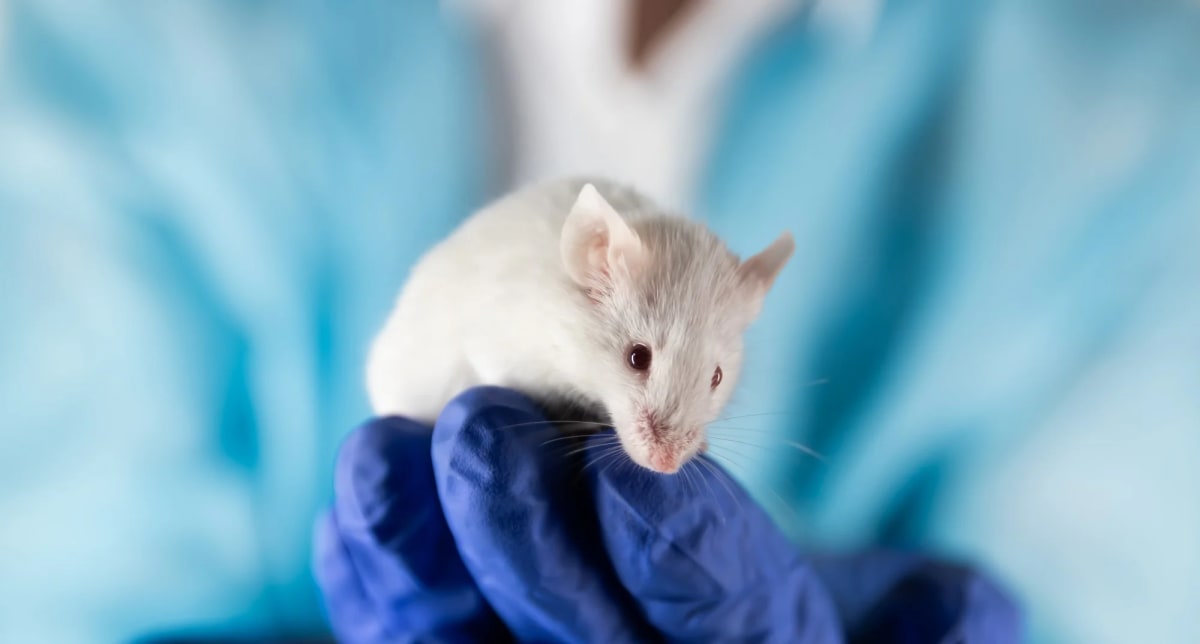
A team of researchers has uncovered a potential key to combating the physical decline associated with aging. In a study published this week, scientists demonstrated that increasing levels of a specific protein in older mice significantly improved their strength, mobility, and overall health. The findings, published in a leading peer reviewed journal, suggest that targeting chronic inflammation linked to aging could one day translate into therapies for humans seeking to maintain independence and vitality in later years. While the research is still in its early stages, the implications for public health and geriatric medicine are profound.
Clinical Significance
Chronic, low grade inflammation is a hallmark of aging, contributing to muscle wasting, bone loss, and reduced energy levels. This study highlights a protein that may act as a natural regulator of this process. By boosting its levels in older mice, researchers observed measurable improvements in physical function, suggesting a potential pathway for addressing age related frailty. If these findings are replicated in humans, they could pave the way for therapies that delay or reverse some of the most debilitating aspects of aging.
Deep Dive and Research Findings
The research team focused on a protein known to modulate the immune system's inflammatory response. In aged mice, increasing the protein's levels led to a reduction in systemic inflammation, which is often linked to conditions such as sarcopenia (age related muscle loss) and osteoporosis. The treated mice exhibited greater muscle mass, improved grip strength, and enhanced endurance compared to their untreated counterparts. Additionally, their bone density was preserved, a critical factor in preventing fractures and maintaining mobility in older adults.
The study's authors noted that the protein appears to work by inhibiting the activity of pro inflammatory cytokines, molecules that drive the chronic inflammation associated with aging. While the exact mechanism requires further investigation, the results suggest that this protein could serve as a therapeutic target for interventions aimed at improving healthspan, the period of life free from serious disease or disability.
Future Outlook and Medical Implications
The findings open new avenues for research into anti aging therapies. Scientists are now exploring whether similar interventions could be developed for humans, potentially in the form of drugs or gene therapies. However, translating these results from mice to humans presents significant challenges, including differences in biology and the need for rigorous clinical trials to assess safety and efficacy. If successful, such therapies could reduce the burden of age related diseases, improve quality of life, and lower healthcare costs associated with elderly care.
Experts caution that while the results are promising, they are preliminary. "This is an exciting development, but we are still far from having a human therapy," said a spokesperson for the research team. "Further studies are needed to understand the long term effects and potential risks of manipulating this protein."
Patient or Practitioner Guidance
For now, the best strategies for maintaining health in later years remain well established: regular physical activity, a balanced diet rich in anti inflammatory foods, and routine medical check ups. While this research offers hope for future interventions, individuals should not expect immediate clinical applications. Patients interested in participating in clinical trials related to aging research can consult their healthcare providers or visit clinical trial registries for opportunities.
Key Takeaways
- A specific protein has been identified that reduces chronic inflammation linked to aging in mice.
- Boosting this protein in older mice improved muscle strength, energy levels, and bone health.
- The findings could lead to therapies that help humans maintain independence and vitality in later life, though human trials are still needed.
- Current strategies for healthy aging remain focused on diet, exercise, and medical care until further research is completed.
Frequently Asked Questions
What protein did the researchers focus on in this study?
The study focused on a protein known to modulate the immune system's inflammatory response, though the specific name of the protein was not disclosed in the available report.
Could this research lead to treatments for human aging?
While the results are promising, the research is still in its early stages. Human trials would be required to determine the safety and efficacy of any potential therapies.
What are the current best practices for healthy aging?
Maintaining regular physical activity, consuming a balanced diet rich in anti inflammatory foods, and scheduling routine medical check ups are the most effective strategies for promoting health in later years.
How does chronic inflammation contribute to aging?
Chronic, low grade inflammation is associated with the development of age related conditions such as muscle wasting, bone loss, and reduced energy levels. It accelerates the decline in physical function and increases the risk of chronic diseases.
Medical Review: MedSense Editorial Board





DISCUSSION (0)
POST A COMMENT