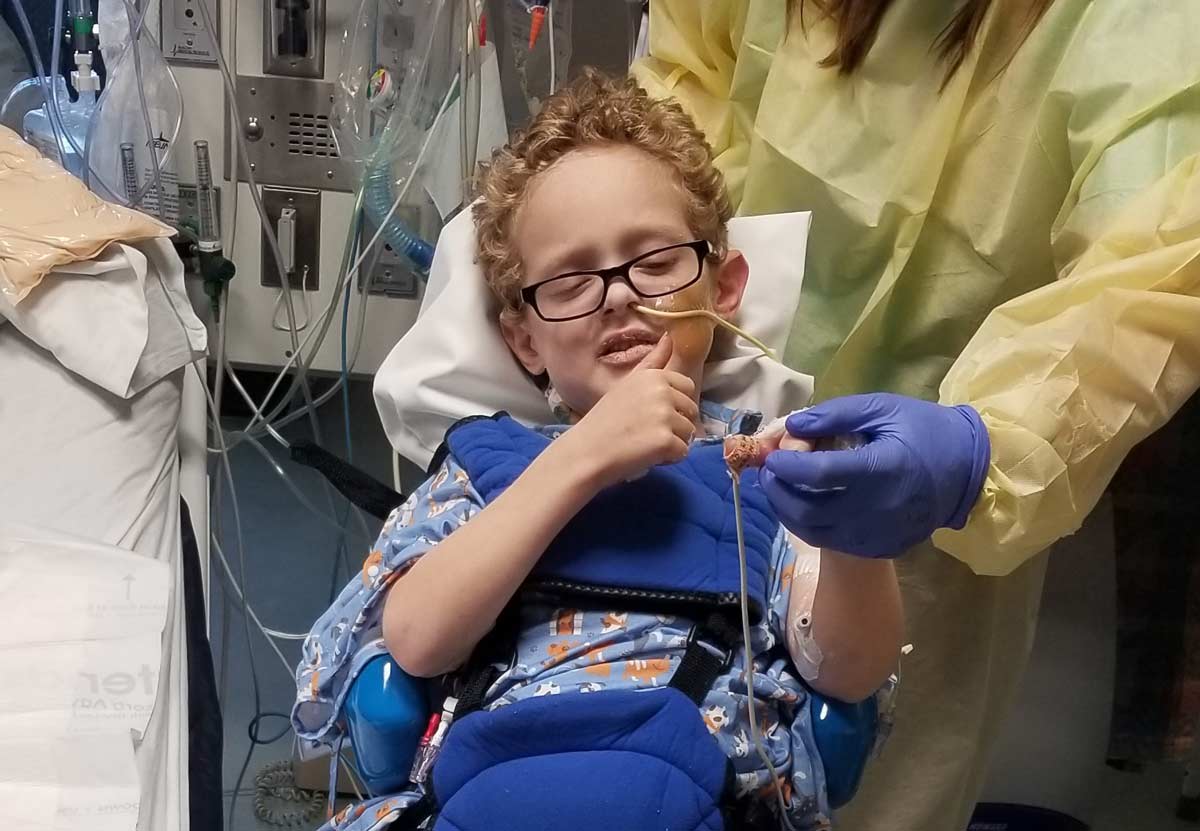
The medications used to keep children calm and pain free during life saving intensive care may leave a lasting imprint on their developing brains, according to groundbreaking research published today. A team of pediatric critical care specialists has uncovered evidence that the type of sedative administered to young patients in pediatric intensive care units (PICUs) could influence their neurocognitive outcomes years later. The findings, drawn from a comprehensive study led by experts at the University of Pennsylvania School of Nursing and Seattle Children’s Hospital, underscore a critical but often overlooked aspect of pediatric critical care: the long term consequences of sedation choices on brain development. While these medications are essential for managing pain and agitation in critically ill children, their potential impact on cognitive function has remained poorly understood until now.
Clinical Significance
This study is the first to directly link sedative selection in pediatric intensive care to measurable differences in neurocognitive outcomes, challenging the assumption that all sedatives used in PICUs are functionally equivalent. The research suggests that certain sedatives may carry a higher risk of adverse neurodevelopmental effects, particularly when used for prolonged periods in young children whose brains are rapidly developing. These findings could reshape clinical protocols for sedation management in PICUs, where the primary focus has traditionally been on immediate physiological stability rather than long term cognitive outcomes. For parents of critically ill children, the study highlights a previously unrecognized factor that may influence their child’s developmental trajectory.
Deep Dive and Research Findings
The study, published in JAMA Pediatrics, analyzed data from a large cohort of children who required mechanical ventilation and sedation in the PICU before the age of 2. Researchers tracked their neurocognitive development for up to five years after discharge, using standardized assessments to evaluate intelligence, memory, attention, and executive function. The results revealed significant variations in outcomes based on the sedative regimen used. Children exposed to benzodiazepines, a class of sedatives commonly used in PICUs, showed lower scores in multiple cognitive domains compared to those who received alternative sedatives such as dexmedetomidine or opioids. The differences persisted even after adjusting for factors like illness severity, duration of ICU stay, and socioeconomic status.
The research team, co led by Dr. Martha A.Q. Curley of the University of Pennsylvania School of Nursing and Dr. R. Scott Watson of Seattle Children’s Hospital, emphasized that the findings do not imply that benzodiazepines should be avoided entirely. Instead, they suggest that clinicians should carefully weigh the risks and benefits of different sedative options, particularly in children with prolonged ICU stays. The study also raises important questions about the cumulative effects of sedation on the developing brain, an area that has received limited attention in pediatric critical care.
Future Outlook and Medical Implications
The implications of this research extend beyond individual patient care to broader healthcare policy and ICU management strategies. As awareness grows about the potential neurocognitive risks associated with certain sedatives, hospitals may need to revise their sedation protocols to prioritize agents with the least impact on brain development. This could lead to a shift toward more personalized sedation strategies, where the choice of medication is tailored to the child’s age, medical condition, and anticipated duration of ICU stay. Additionally, the findings underscore the need for long term follow up care for children who have undergone prolonged PICU stays, as early interventions may help mitigate some of the cognitive challenges they may face.
For researchers, the study opens new avenues for investigating the mechanisms by which sedatives affect brain development. Questions remain about how different sedatives interact with the developing brain at the cellular and molecular levels, and whether certain periods of brain development are more vulnerable to their effects. Future studies may explore whether minimizing sedation exposure or using alternative pain management strategies could reduce long term cognitive risks without compromising patient comfort or safety.
Patient or Practitioner Guidance
For parents of children in the PICU, the most immediate takeaway is to discuss sedation options with the medical team. While the primary goal during critical illness is to ensure the child’s comfort and stability, parents can ask about the specific sedatives being used and their potential long term effects. Clinicians, in turn, should consider incorporating neurocognitive outcomes into their sedation management plans, particularly for children who require prolonged ICU care. This may involve:
- Prioritizing sedatives with lower neurocognitive risk profiles when clinically appropriate.
- Monitoring sedation levels closely to avoid over sedation, which can exacerbate cognitive risks.
- Implementing early rehabilitation strategies, such as physical and occupational therapy, to support brain development during and after ICU stays.
- Providing parents with clear information about potential long term cognitive effects and available support services.
Key Takeaways
- Sedative choices in pediatric intensive care may influence long term neurocognitive outcomes in critically ill children.
- Children exposed to benzodiazepines in the PICU showed lower cognitive scores in follow up assessments compared to those who received alternative sedatives.
- Clinicians may need to reassess sedation protocols to balance immediate patient comfort with long term brain health.
- Parents should discuss sedation options with the medical team and advocate for strategies that minimize neurocognitive risks.
Frequently Asked Questions
What are the most commonly used sedatives in pediatric ICUs?
Common sedatives in pediatric ICUs include benzodiazepines (such as midazolam), opioids (such as fentanyl), and dexmedetomidine. Each has different properties, risks, and benefits that must be weighed based on the child’s condition and needs.
How long does sedation exposure need to last to pose a risk to brain development?
The study did not specify a minimum duration, but prolonged sedation, particularly in children under 2 years old, was associated with greater cognitive risks. Even shorter exposures may carry risks, especially in vulnerable populations.
Are there alternatives to benzodiazepines for sedation in children?
Yes, alternatives include dexmedetomidine, opioids, and non pharmacological approaches like music therapy or gentle touch. The choice depends on the child’s medical condition, age, and the goals of care.
What can parents do to support their child’s cognitive development after a PICU stay?
Parents should ensure their child receives regular developmental screenings and early intervention services if needed. Engaging in age appropriate play, reading, and social activities can also support cognitive recovery.
Will this study change how sedatives are used in PICUs immediately?
While the findings are significant, widespread changes in clinical practice typically require further validation and consensus guidelines. However, some hospitals may begin reviewing their sedation protocols in light of this research.
Medical Review: MedSense Editorial Board





DISCUSSION (0)
POST A COMMENT