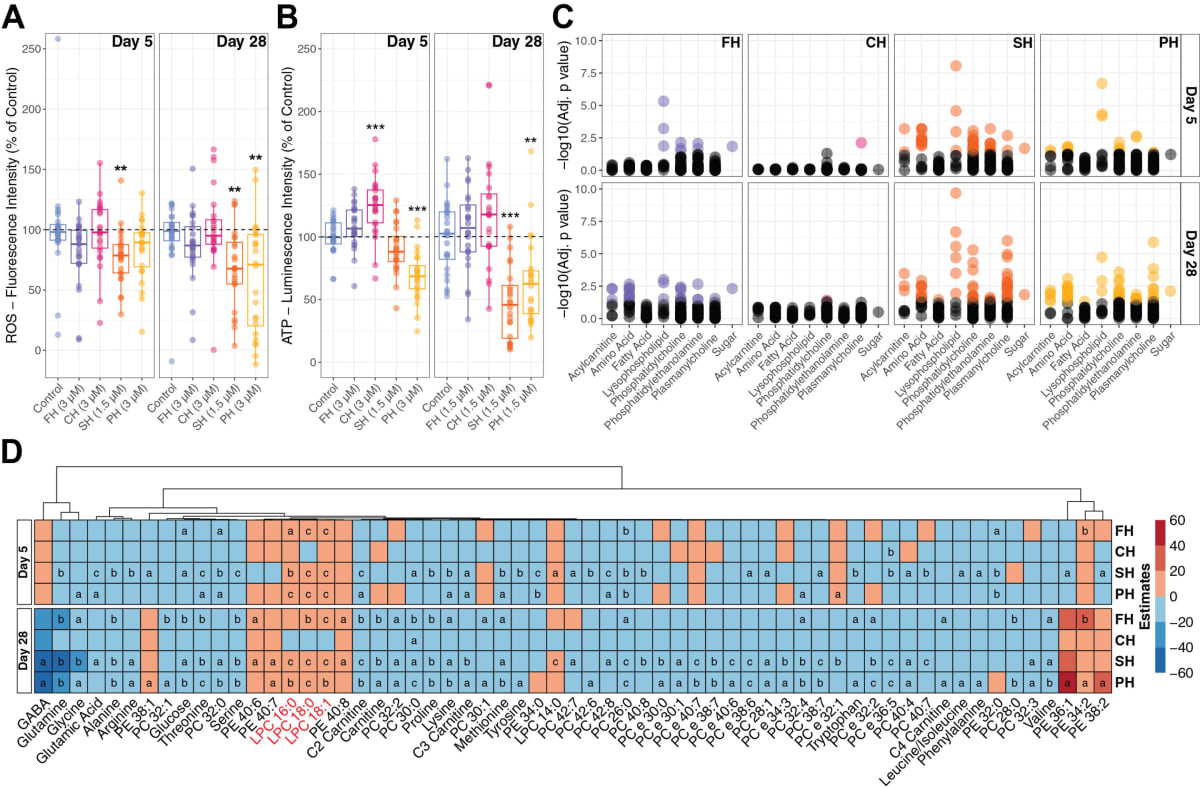
Researchers at Karolinska Institutet have uncovered critical differences in how commonly prescribed antidepressants influence metabolic pathways in the developing brain. The study, published in a leading neuroscience journal, examines the biological effects of selective serotonin reuptake inhibitors (SSRIs) on nerve cells during early development. While the findings deepen understanding of these medications' mechanisms, they do not establish a link between SSRIs and neurodevelopmental disorders such as autism or ADHD. The work underscores the need for personalized approaches in pediatric pharmacology.
Clinical Significance
This research highlights the biological variability among SSRIs, a class of antidepressants widely prescribed to pregnant women and children. The study reveals that these medications do not act uniformly on developing nerve cells, challenging the assumption that they are biologically interchangeable. For clinicians and patients, this means treatment decisions may need to account for more than just efficacy and side effects, considering how specific SSRIs interact with cellular metabolism during critical developmental windows.
Deep Dive and Research Findings
The Karolinska Institutet team analyzed the metabolic impact of multiple SSRIs on immature neurons, focusing on three key biological processes: energy metabolism, oxidative stress, and lipid profiles. Their experiments demonstrated that each SSRI triggers distinct metabolic changes. For example, one compound significantly altered mitochondrial function, while another increased oxidative stress markers. These variations suggest that SSRIs may influence brain development through different biological pathways, even if their primary mechanism, serotonin modulation, remains consistent.
The study also found that lipid metabolism was particularly sensitive to SSRI exposure during early brain development. Changes in lipid profiles could affect membrane integrity and signaling pathways in neurons, potentially influencing long term brain function. The researchers emphasized that these metabolic disruptions were observed at therapeutic drug concentrations, raising questions about the safety of prenatal or early life SSRI exposure.
Future Outlook and Medical Implications
While the study does not establish causality between SSRIs and neurodevelopmental disorders, it provides a foundation for further investigation into how these metabolic changes might contribute to long term outcomes. The findings could pave the way for the development of safer antidepressants or more tailored treatment strategies for vulnerable populations, such as pregnant women and infants. Researchers are now exploring whether certain SSRIs pose higher risks based on their metabolic profiles, which could inform clinical guidelines.
For the broader medical community, the study underscores the importance of considering drug metabolism at the cellular level, particularly in developing tissues. It also highlights the need for more granular data on how medications interact with biological systems beyond their primary targets.
Patient or Practitioner Guidance
For patients currently taking SSRIs or considering them during pregnancy, this research does not warrant immediate changes to treatment plans. However, it does emphasize the importance of discussing medication choices with healthcare providers, particularly when treating conditions like depression or anxiety in pregnant women or young children. Clinicians may now have additional biological data to guide their decisions, balancing the benefits of SSRIs against potential metabolic risks.
Parents and caregivers should avoid making treatment decisions based solely on this study. The research is preliminary and does not establish harm from SSRIs. Instead, it calls for more targeted studies to assess the long term neurodevelopmental effects of these medications. In the meantime, patients are advised to continue following their prescribed treatment regimens while staying informed about emerging research.
Key Takeaways
- SSRIs have distinct metabolic effects on developing nerve cells, challenging the assumption that they are biologically equivalent.
- The study found variations in energy metabolism, oxidative stress, and lipid profiles among different SSRIs.
- These findings do not prove that SSRIs cause neurodevelopmental disorders like autism or ADHD.
- The research highlights the need for personalized approaches in prescribing SSRIs to pregnant women and children.
- Further studies are required to determine the long term implications of these metabolic changes.
Frequently Asked Questions
Do these findings mean SSRIs are unsafe for pregnant women or children?
No. The study does not establish harm or safety risks from SSRIs. It highlights biological differences among these medications and calls for more research. Patients should continue their prescribed treatments and discuss any concerns with their healthcare providers.
Could this research lead to new antidepressant medications?
Possibly. The study provides insights into how SSRIs interact with cellular metabolism, which could inform the development of safer or more targeted antidepressants in the future.
Should I stop taking my SSRI based on this study?
No. Abruptly stopping SSRIs can pose significant risks, including worsening depression or withdrawal symptoms. Always consult your doctor before making any changes to your medication.
How were these metabolic effects measured in the study?
The researchers used laboratory models of developing nerve cells and analyzed changes in energy metabolism, oxidative stress markers, and lipid profiles after exposure to different SSRIs.
Medical Review: MedSense Editorial Board





DISCUSSION (0)
POST A COMMENT