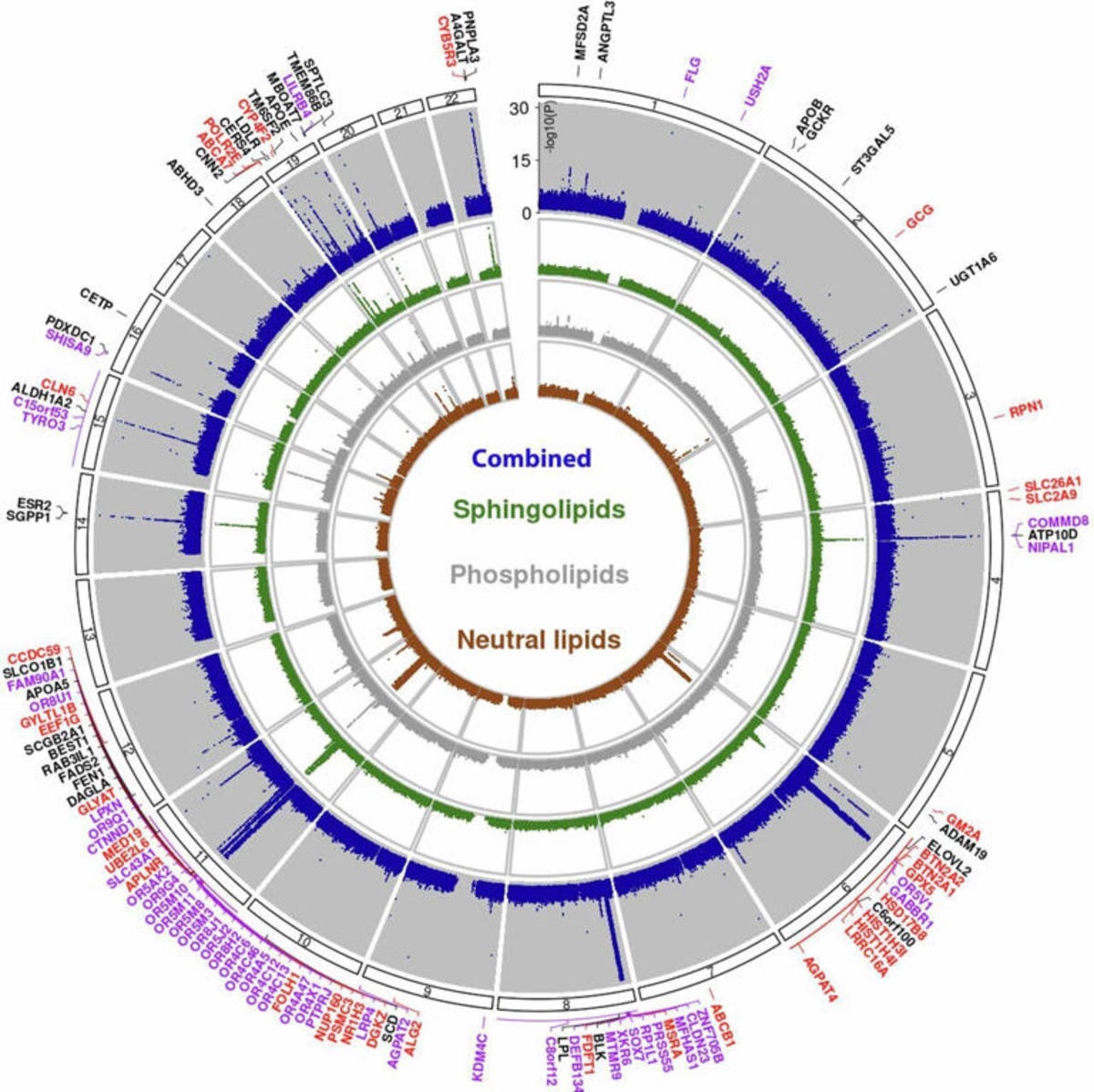
A team of researchers at the German Center for Neurodegenerative Diseases (DZNE) has uncovered 50 previously unrecognized regions of the human genome that play a critical role in regulating blood lipid levels. The discovery, derived from an analysis of more than 8,000 blood samples, provides new avenues for understanding how genetic variations contribute to lipid metabolism, a process intricately linked to aging, cardiovascular health, and metabolic disorders. While the study does not establish direct causation, the findings suggest potential biological pathways that may influence the risk of Alzheimer's disease, type 2 diabetes, and heart disease, conditions that share metabolic dysfunction as a common thread.
Clinical Significance
Blood lipids, including cholesterol and triglycerides, are fundamental to human health, serving as essential components of cell membranes and energy storage. However, imbalances in lipid levels are also well established risk factors for cardiovascular diseases, the leading cause of death worldwide. The DZNE researchers' work expands the known genetic landscape influencing lipid metabolism by more than 50 regions, offering a more comprehensive map of how genes interact with lipid profiles. This genomic insight could eventually lead to personalized medicine approaches, where genetic screening informs lipid management strategies tailored to an individual's risk profile.
Deep Dive and Research Findings
The study analyzed blood samples from over 8,000 individuals, using advanced genomic sequencing and statistical modeling to identify genetic variations associated with lipid levels. Beyond confirming previously known lipid regulating regions, the research team pinpointed 50 additional genomic areas not previously linked to lipid metabolism. These regions include genes involved in lipid transport, synthesis, and clearance, as well as those with no prior connection to lipid biology. The findings underscore the complexity of lipid regulation, revealing that multiple genes, each with modest effects, collectively shape an individual's lipid profile.
The implications of these discoveries extend beyond cardiovascular health. Several of the newly identified genetic regions overlap with genes previously associated with neurodegenerative diseases, including Alzheimer's, and metabolic disorders like diabetes. This overlap suggests shared biological mechanisms between lipid metabolism and these chronic conditions, potentially offering new targets for therapeutic intervention. For instance, genes involved in lipid processing may influence the accumulation of amyloid plaques in the brain, a hallmark of Alzheimer's disease, or the development of insulin resistance in diabetes.
Future Outlook and Medical Implications
The identification of these genetic regions opens the door to several promising research directions. Scientists may now investigate how specific genetic variations affect lipid metabolism at the cellular level, which could lead to the development of drugs that target these pathways. Additionally, the findings could improve risk prediction models for cardiovascular and metabolic diseases by incorporating genetic data alongside traditional risk factors such as diet, exercise, and smoking status. In the long term, this research may contribute to the development of precision nutrition or pharmacogenomic strategies, where treatments are customized based on an individual's genetic makeup.
While the study represents a significant advancement, further research is needed to validate these findings in diverse populations and to explore the functional consequences of the identified genetic variations. The DZNE team plans to expand their analysis to include larger and more diverse cohorts, as well as to investigate the interplay between genetics, lifestyle factors, and lipid metabolism.
Patient or Practitioner Guidance
For individuals concerned about their lipid levels or risk of chronic diseases, this research highlights the importance of genetic screening as part of a comprehensive health assessment. While genetic testing for lipid related genes is not yet standard practice, patients with a family history of cardiovascular disease, diabetes, or Alzheimer's may benefit from discussing genetic risk factors with their healthcare provider. Practitioners should consider incorporating genetic insights into lipid management plans, particularly for patients who do not respond to conventional therapies. Additionally, lifestyle modifications such as a heart healthy diet, regular exercise, and smoking cessation remain critical for managing lipid levels and reducing the risk of associated diseases.
Key Takeaways
- Researchers identified 50 previously unknown genetic regions linked to blood lipid regulation, expanding the known genomic landscape of lipid metabolism.
- The findings suggest potential shared biological pathways between lipid metabolism and chronic diseases such as Alzheimer's, diabetes, and cardiovascular disease.
- The study provides a foundation for future precision medicine approaches, including personalized lipid management and drug development.
- Further research is needed to validate these findings in diverse populations and explore the functional impact of the identified genetic variations.
Frequently Asked Questions
What are blood lipids, and why are they important?
Blood lipids, including cholesterol and triglycerides, are fatty substances in the blood that are essential for cell function and energy storage. However, high levels of certain lipids, such as LDL cholesterol, are major risk factors for cardiovascular diseases, including heart attacks and strokes. Balanced lipid levels are crucial for overall health, while imbalances can contribute to metabolic disorders like diabetes and neurodegenerative conditions.
How did the researchers identify these new genetic regions?
The DZNE team analyzed blood samples from over 8,000 individuals using advanced genomic sequencing and statistical modeling. By comparing genetic variations across the genome with lipid profiles, they identified 50 regions not previously linked to lipid metabolism. This approach allowed them to pinpoint genes involved in lipid transport, synthesis, and clearance, as well as genes with no prior connection to lipid biology.
What diseases might be influenced by these genetic regions?
The newly identified genetic regions overlap with genes associated with Alzheimer's disease, type 2 diabetes, and cardiovascular diseases. This overlap suggests shared biological mechanisms between lipid metabolism and these chronic conditions, potentially offering new targets for therapeutic intervention. For example, genes involved in lipid processing may influence amyloid plaque accumulation in the brain or insulin resistance.
How could this research impact future treatments?
The findings could lead to the development of drugs that target specific genetic pathways involved in lipid metabolism, offering more precise and effective treatments for cardiovascular and metabolic diseases. Additionally, genetic data could improve risk prediction models and enable precision nutrition or pharmacogenomic strategies, where treatments are tailored to an individual's genetic makeup.
Should individuals get genetic testing for lipid related genes?
While genetic testing for lipid related genes is not yet standard practice, individuals with a family history of cardiovascular disease, diabetes, or Alzheimer's may benefit from discussing genetic risk factors with their healthcare provider. Genetic insights could inform personalized lipid management plans, particularly for patients who do not respond to conventional therapies. However, lifestyle modifications remain critical for managing lipid levels and reducing disease risk.
Medical Review: MedSense Editorial Board





DISCUSSION (0)
POST A COMMENT