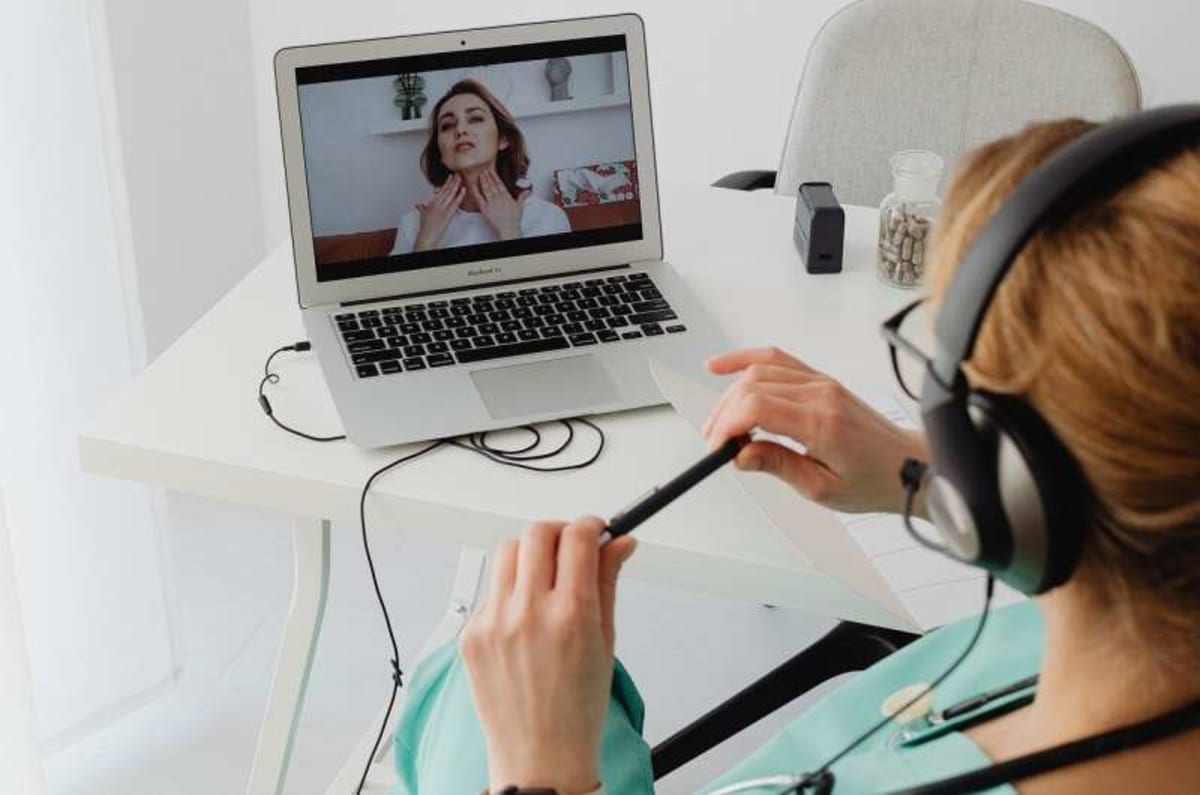
Survivors of intensive care who required mechanical ventilation face a long road to recovery, often grappling with persistent physical weakness, cognitive impairment, and psychological distress. A groundbreaking UK wide clinical trial has now demonstrated that structured online rehabilitation delivered at home can substantially improve their quality of life. The findings, published by researchers at Warwick Medical School, suggest a scalable solution to one of modern medicine’s most challenging post acute care gaps.
Clinical Significance
Post intensive care syndrome affects up to 50% of ICU survivors, with many experiencing prolonged fatigue, muscle wasting, and mental health challenges that disrupt daily functioning. The iRehab Trial, led by Warwick Clinical Trials Unit in collaboration with Ulster University and Queen’s University Belfast, evaluated whether a remotely delivered rehabilitation program could bridge this care gap. The results indicate that structured online interventions may offer a viable alternative to traditional in person therapy, particularly for patients in rural or underserved areas.
Deep Dive and Research Findings
The trial enrolled participants from 52 NHS hospitals across the UK, focusing on adults who had spent at least 48 hours on a ventilator during their ICU stay. Participants were randomly assigned to either the online rehabilitation program or standard care. The program included personalized exercise routines, cognitive training modules, and psychological support delivered via a secure digital platform. After three months, those in the intervention group reported significant improvements in mobility, mental health, and overall well being compared to the control group.
Researchers noted that the most pronounced benefits were observed in patients with moderate to severe functional limitations at baseline. The digital approach also reduced the burden on healthcare systems by minimizing the need for in person follow up visits, a critical advantage amid ongoing staffing shortages in rehabilitation services.
Future Outlook and Medical Implications
The success of the iRehab Trial paves the way for broader adoption of tele rehabilitation in post ICU care. Experts suggest that integrating such programs into standard discharge protocols could reduce hospital readmissions and improve long term outcomes. However, challenges remain, including ensuring equitable access to digital tools for older adults and those with limited internet connectivity. Future research may explore hybrid models that combine in person and online sessions to optimize recovery trajectories.
Patient or Practitioner Guidance
For ICU survivors considering home based rehabilitation, the trial underscores the importance of early intervention and structured support. Patients should discuss personalized rehab plans with their healthcare providers, particularly if they have pre existing mobility or cognitive issues. Clinicians, meanwhile, may explore partnerships with digital health platforms to expand access to evidence based therapies. The trial’s findings also highlight the need for caregiver involvement, as family support plays a pivotal role in sustaining recovery progress.
Key Takeaways
- Online rehabilitation at home significantly improves quality of life for ICU survivors who required ventilator support.
- The iRehab Trial demonstrated measurable benefits in mobility, mental health, and functional recovery after three months.
- Digital rehab programs offer a scalable solution to post intensive care syndrome, reducing healthcare system strain.
- Equitable access to technology remains a barrier, requiring targeted solutions for vulnerable populations.
Frequently Asked Questions
What is post intensive care syndrome, and how common is it?
Post intensive care syndrome (PICS) refers to a collection of physical, cognitive, and psychological impairments that persist after critical illness. Studies suggest it affects up to 50% of ICU survivors, with symptoms ranging from muscle weakness to anxiety and depression.
How does the online rehab program differ from traditional therapy?
The iRehab program delivers personalized exercise, cognitive training, and psychological support via a digital platform, allowing patients to participate from home. This approach reduces travel burdens and enables more frequent, tailored interventions compared to standard care.
Are there risks associated with home based rehab for ICU survivors?
As with any rehabilitation program, risks include overexertion or injury if exercises are performed incorrectly. The trial emphasized supervised digital check ins to mitigate these risks, but patients should consult their healthcare providers before starting.
Can family members or caregivers participate in the rehab process?
Yes. The trial encouraged caregiver involvement to support adherence and motivation. Family members can assist with exercise routines and provide encouragement, which is particularly beneficial for patients with cognitive or mobility limitations.
Medical Review: MedSense Editorial Board





DISCUSSION (0)
POST A COMMENT