solutions.
Key Takeaways
- Neuroplex enables simultaneous imaging of nine distinct neuronal populations in freely moving mice, overcoming limitations of traditional single cell or low multiplexity techniques.
- The technique preserves natural behaviors by eliminating the need for anesthesia or restraint, improving data accuracy and reducing experimental variability.
- Neuroplex’s open source framework and scalability suggest potential for broader applications in studying human brain disorders and developing brain computer interfaces.
Frequently Asked Questions
How does Neuroplex differ from traditional brain imaging techniques?
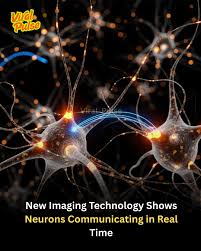
Unlike traditional methods that track activity in one or two cell types at a time, Neuroplex captures real time activity across nine distinct neuronal populations simultaneously. It also operates in freely moving animals, preserving natural behaviors and physiological states.
What are the potential medical applications of Neuroplex?
While the current study focuses on mice, the principles could extend to studying human brain disorders like epilepsy or Parkinson’s disease. It may also aid in developing brain computer interfaces by providing real time feedback on neuronal responses.
Is Neuroplex available for widespread use in research?
Yes, the researchers emphasize that Neuroplex is designed as an open source framework, encouraging widespread adoption and iterative improvements across the scientific community.
Medical Review: MedSense Editorial Board






DISCUSSION (0)
POST A COMMENT