Executive Summary
A landmark study published in Nature Human Behaviour has uncovered the evolutionary forces behind the overwhelming prevalence of right-handedness in humans. By analyzing fossilized hand bones and archaeological artifacts, researchers found that the transition to bipedalism and the expansion of the human brain created a feedback loop that favored right-hand dominance. This trait, now observed in over 90% of the global population, offers profound insights into human biology, neurological health, and even cultural development. The findings not only reshape our understanding of human evolution but also open new avenues for research into brain disorders, pediatric development, and rehabilitation therapies.
What Happened
For centuries, the dominance of right-handedness in humans has been a subject of fascination and debate. Now, a comprehensive study published in Nature Human Behaviour has provided compelling evidence that this trait is deeply rooted in our evolutionary past. The research, led by an international team of anthropologists and neuroscientists, examined fossilized hand bones and ancient tools to trace the origins of right-handedness back millions of years.
The study reveals that as early humans transitioned from knuckle-walking to upright walking, their reliance on the right hand for tool use, hunting, and defense intensified. This shift was further accelerated by the explosive growth of the human brain, which enhanced fine motor skills and cognitive functions. The result was a near-universal preference for the right hand, a trait that became hardwired into human biology through natural selection.
Why Public Health Officials Are Concerned
The dominance of right-handedness is not merely a biological curiosity; it has far-reaching implications for public health and medical research. Understanding the evolutionary roots of handedness can provide critical insights into neurological disorders such as schizophrenia, autism, and dyslexia, which are often linked to brain asymmetry. Additionally, the study highlights the potential health benefits associated with left-handedness, which affects roughly 10% of the population. Left-handed individuals have been statistically linked to higher creativity, faster reaction times in certain sports, and even reduced risks of Parkinson’s disease. This underscores the importance of embracing neurodiversity in both biological and cultural contexts.
Symptoms or Risk Factors
While handedness itself is not a medical condition, researchers are increasingly exploring its connections to various health outcomes. For instance:
- Neurological Health: Studies have shown that individuals with atypical brain lateralization, such as left-handed people, may have different risks for certain neurological disorders. For example, left-handedness has been associated with a lower risk of Parkinson’s disease, though the mechanisms remain unclear.
- Cognitive Development: In pediatric populations, handedness can influence learning styles and motor skill development. Left-handed children may exhibit different cognitive strengths, such as enhanced spatial reasoning, which could inform educational strategies.
- Rehabilitation Potential: The brain’s natural lateralization offers opportunities for innovative therapies in stroke recovery and brain injury rehabilitation. Therapists may leverage the dominant hemisphere’s strengths to improve motor function in affected patients.
Who May Be Affected
The implications of this research extend across diverse populations and age groups:
- Children and Adolescents: Parents and educators can use these findings to better support left-handed children, ensuring they receive tailored educational resources that align with their cognitive strengths.
- Neurological Patients: Individuals recovering from strokes or brain injuries may benefit from therapies that capitalize on the brain’s natural lateralization, potentially improving rehabilitation outcomes.
- Researchers and Clinicians: The study provides a foundation for future research into the genetic and environmental factors that influence handedness, as well as its connections to neurological and developmental disorders.
- Cultural and Societal Groups: Understanding the evolutionary roots of handedness can foster greater appreciation for neurodiversity, challenging societal biases and promoting inclusivity in tool design, education, and workplace environments.
Government or WHO Response
While there is no direct government or WHO response to the findings of this study, the implications of the research align with broader public health initiatives aimed at promoting neurological health and inclusivity. For example:
- The World Health Organization (WHO) has long emphasized the importance of addressing neurological disorders through research and public health campaigns. The insights from this study could inform future strategies for early detection and intervention in conditions like autism and dyslexia.
- Governments and educational institutions may consider revising curricula and classroom designs to better accommodate left-handed students, ensuring they have equal opportunities to thrive in academic settings.
- Public health campaigns could highlight the benefits of neurodiversity, encouraging workplaces and communities to create environments that support individuals with diverse cognitive profiles.
Prevention and Safety Guidance
While handedness itself cannot be altered, understanding its evolutionary and biological foundations can inform preventive measures and safety guidelines in various contexts:
- Pediatric Development: Parents and caregivers should monitor early motor skill development in children and consult pediatricians if concerns arise about atypical handedness or developmental delays. Early intervention programs can support cognitive and motor growth in left-handed children.
- Workplace Ergonomics: Employers should design tools and workstations that accommodate both right- and left-handed individuals, reducing the risk of repetitive strain injuries and improving productivity. This includes providing left-handed versions of commonly used tools and adjusting workstation layouts to minimize discomfort.
- Neurological Health: Individuals with a family history of neurological disorders should discuss their handedness and any associated risks with healthcare providers. While handedness alone is not a risk factor, it may serve as a marker for further evaluation in certain cases.
- Stroke and Brain Injury Rehabilitation: Therapists working with stroke patients or individuals recovering from brain injuries should consider the patient’s handedness when designing rehabilitation programs. Leveraging the dominant hemisphere’s strengths can enhance recovery outcomes.
What Readers Should Know
The dominance of right-handedness in humans is more than a quirk of biology; it is a testament to our species’ adaptability and innovation. This study not only reshapes our understanding of human evolution but also offers practical insights for parents, educators, clinicians, and researchers. By embracing the diversity of human cognition, we can create environments that support the strengths of all individuals, regardless of their handedness.
The findings also underscore the importance of continued research into the genetic and environmental factors that influence handedness. As scientists delve deeper into the mysteries of the human brain, we may uncover even more connections between handedness, neurological health, and cognitive development. For now, the story of our right-handed world remains a fascinating chapter in the broader narrative of human evolution.
Key Takeaways
- Right-handedness, observed in over 90% of humans, is deeply rooted in our evolutionary past, driven by the transition to bipedalism and the expansion of the human brain.
- The study published in Nature Human Behaviour provides the first comprehensive evidence linking handedness to survival advantages in early human tool use and cognitive development.
- Left-handedness, though less common, is associated with unique cognitive strengths and potential health benefits, highlighting the importance of neurodiversity.
- Understanding handedness can inform pediatric development strategies, neurological health research, and rehabilitation therapies for stroke and brain injury patients.
- Public health initiatives and workplace policies should prioritize inclusivity to support individuals of all handedness types, fostering environments that accommodate diverse cognitive profiles.
Frequently Asked Questions
Is handedness determined by genetics or environment?
Handedness is influenced by a combination of genetic and environmental factors. While studies suggest a genetic component, with handedness often running in families, the precise mechanisms remain unclear. Environmental factors, such as prenatal conditions and cultural influences, also play a role in shaping handedness.
Can handedness change over time or with training?
Handedness is generally stable throughout life, though some individuals may develop ambidexterity through training or practice. However, attempting to switch handedness in adulthood is unlikely to alter the brain's natural lateralization and may lead to challenges in motor skill development.
Are left-handed individuals more prone to certain health conditions?
Research suggests that left-handed individuals may have a lower risk of developing Parkinson’s disease, though the reasons are not fully understood. However, left-handedness has also been linked to a slightly higher risk of certain neurological conditions, such as schizophrenia, though the overall risk remains low.
How can parents support left-handed children in educational settings?
Parents can advocate for their left-handed children by ensuring they have access to left-handed tools, such as scissors and writing instruments. Educators should also consider adjusting classroom layouts and teaching methods to accommodate left-handed students, fostering an inclusive learning environment.
What role does brain lateralization play in handedness?
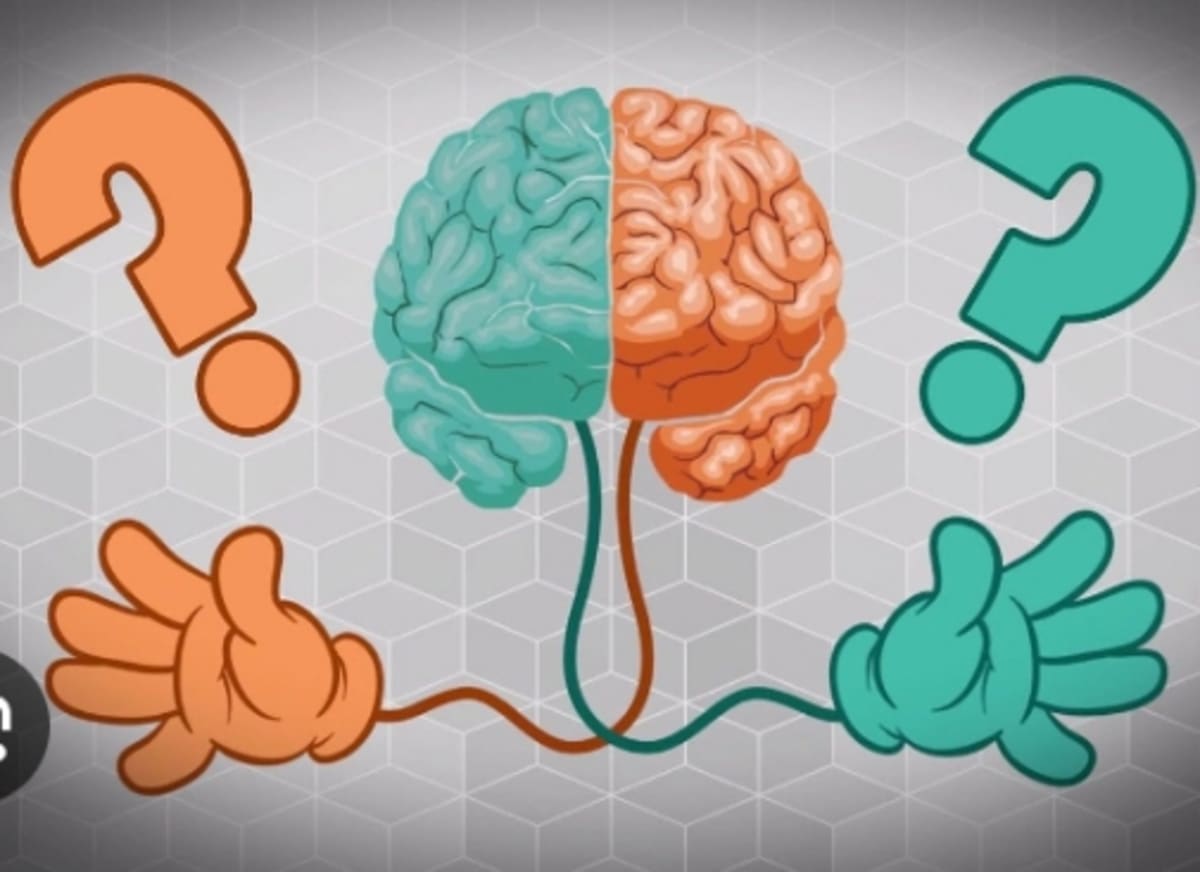
Brain lateralization refers to the division of labor between the brain's left and right hemispheres. In right-handed individuals, the left hemisphere typically controls language and fine motor skills, while the right hemisphere handles spatial reasoning. This lateralization is thought to contribute to the dominance of right-handedness in humans.
Medical Review: MedSense Editorial Board




DISCUSSION (0)
POST A COMMENT