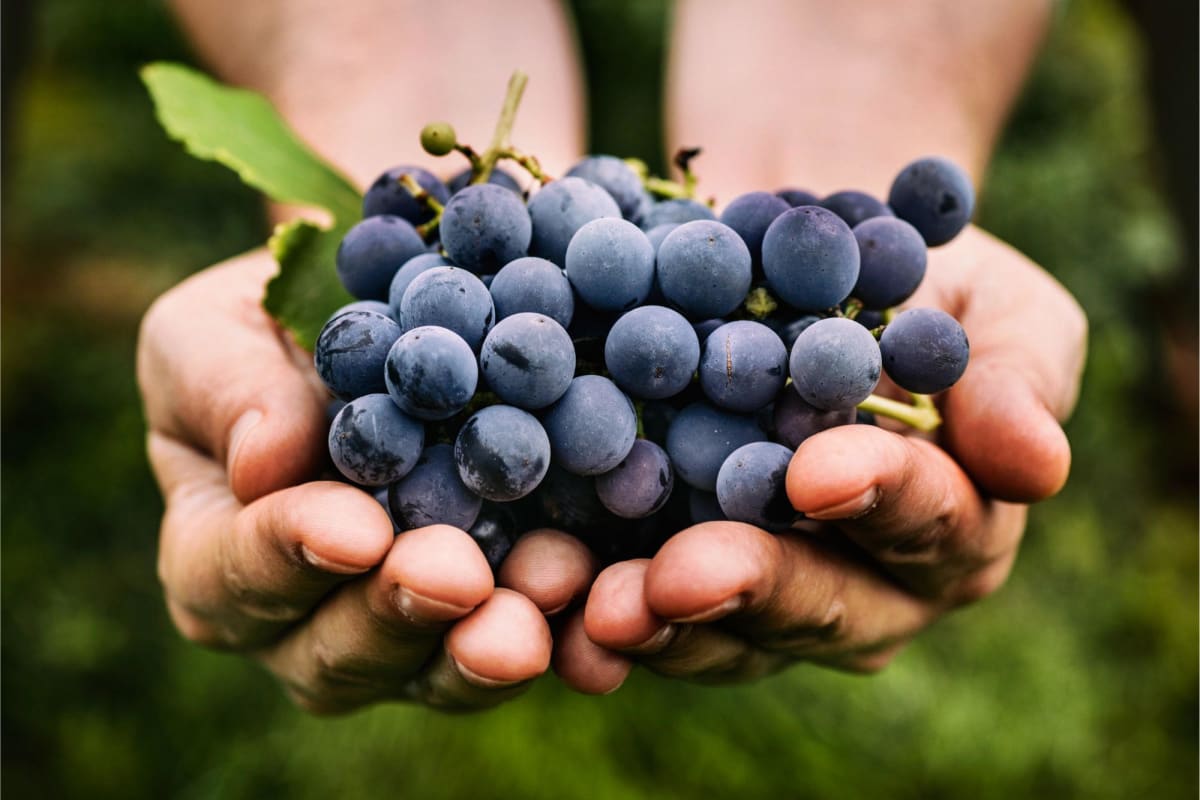
For decades, dermatologists have emphasized the importance of sunscreen, protective clothing, and shade in shielding skin from the sun’s harmful ultraviolet rays. Yet emerging research suggests that what you eat may play an equally vital role in fortifying your skin’s defenses. A recent study published in ACS Nutrition Science has uncovered compelling evidence that grapes, long celebrated for their nutritional benefits, could act as a natural barrier against UV induced damage, offering a promising complement to traditional sun protection strategies.
What Happened
A study published in ACS Nutrition Science has revealed that regular consumption of grapes may enhance the skin’s ability to resist damage from ultraviolet radiation. Unlike earlier research that suggested limited benefits for only a subset of participants, this new investigation indicates that grapes could provide protective effects for a broader population. The key lies in how the fruit’s bioactive compounds interact with the body’s cellular mechanisms, particularly those involved in skin repair, inflammation regulation, and oxidative stress response.
Why Public Health Officials Are Concerned
Ultraviolet radiation from the sun is a well-documented risk factor for skin aging, sunburn, and skin cancer. While sunscreen remains the gold standard for protection, public health experts have long advocated for a multifaceted approach to sun safety. This study highlights the potential of dietary interventions—specifically, the consumption of antioxidant-rich foods like grapes—to bolster skin resilience. By addressing damage at the molecular level, grapes may offer a proactive strategy to reduce the long-term risks associated with UV exposure.
The World Health Organization (WHO) estimates that over 1.5 million cases of skin cancer are diagnosed globally each year, with UV radiation being a primary contributor. While sunscreen and protective measures are critical, integrating dietary antioxidants into daily routines could provide an additional layer of defense, particularly for individuals with limited access to advanced skincare products or those living in high-sun-exposure regions.
Symptoms or Risk Factors
Exposure to UV radiation can lead to a range of skin issues, from immediate effects like sunburn and premature aging to more serious long-term consequences such as melanoma and non-melanoma skin cancers. The study suggests that grapes, due to their high concentrations of resveratrol, flavonoids, and polyphenols, may help mitigate these risks by:
- Reducing oxidative stress, which damages skin cells and accelerates aging.
- Modulating gene expression to enhance skin repair mechanisms.
- Lowering inflammation, a key driver of UV-induced skin damage.
While these findings are promising, they should not be interpreted as a replacement for established sun protection methods. Instead, grapes may serve as a valuable addition to a comprehensive skin health regimen.
Who May Be Affected
Individuals who spend significant time outdoors, whether for work or leisure, are particularly vulnerable to UV damage. This includes:
- Agricultural workers, construction laborers, and outdoor athletes.
- People living in regions with high UV index levels, such as tropical or high-altitude areas.
- Those with fair skin, a history of sunburn, or a family history of skin cancer.
- Individuals who currently rely solely on sunscreen for protection and may benefit from additional dietary strategies.
The study’s findings suggest that grapes could be especially beneficial for populations with limited access to advanced skincare products or those seeking natural, cost-effective ways to enhance their skin’s defenses.
Government or WHO Response
While no immediate policy changes or public health campaigns have been announced in response to this study, the findings align with broader WHO recommendations on skin cancer prevention. The WHO emphasizes a combination of sun avoidance, protective clothing, sunscreen use, and regular skin examinations for early detection. This research underscores the potential of dietary interventions as part of a holistic approach to skin health, though further studies are needed to establish definitive guidelines.
The study’s authors have called for additional research to explore the optimal intake of grapes and other antioxidant-rich foods for skin protection. In the meantime, public health experts continue to advocate for evidence-based sun safety practices while remaining open to the integration of dietary strategies as complementary measures.
Prevention and Safety Guidance
While grapes may offer protective benefits, they should not be viewed as a standalone solution for UV protection. Instead, consider the following evidence-based strategies to safeguard your skin:
- Use sunscreen consistently: Apply a broad-spectrum sunscreen with an SPF of 30 or higher, even on cloudy days. Reapply every two hours, or more frequently if swimming or sweating.
- Seek shade during peak hours: The sun’s rays are strongest between 10 a.m. and 4 p.m. Plan outdoor activities for early morning or late afternoon when possible.
- Wear protective clothing: Long-sleeved shirts, wide-brimmed hats, and UV-blocking sunglasses can significantly reduce UV exposure.
- Incorporate grapes and other antioxidants into your diet: Aim for a balanced diet rich in fruits, vegetables, nuts, and whole grains. Grapes, berries, and leafy greens are excellent sources of skin-protective compounds.
- Stay hydrated: Proper hydration supports skin health and resilience, helping to maintain its natural barrier function.
- Monitor your skin: Perform regular self-examinations and consult a dermatologist if you notice any changes, such as new moles, unusual growths, or persistent skin issues.
What Readers Should Know
This study adds to a growing body of research highlighting the role of diet in skin health. While the findings are promising, it is essential to approach them with a balanced perspective. Grapes are not a miracle cure for UV damage, but they may offer a practical, accessible way to enhance your skin’s natural defenses when combined with other protective measures.
The research suggests that the benefits of grapes are linked to their bioactive compounds, which work synergistically to support skin repair and reduce inflammation. However, individual responses may vary, and more studies are needed to determine the optimal intake and long-term effects. For now, integrating grapes into a well-rounded diet is a reasonable step toward better skin health, particularly for those at higher risk of UV damage.
As always, consult with a healthcare provider or dermatologist before making significant changes to your diet or skincare routine, especially if you have preexisting skin conditions or a history of skin cancer. Public health experts will continue to monitor emerging research in this area, and future guidelines may incorporate dietary recommendations as more evidence becomes available.
Key Takeaways
- Grapes contain antioxidants like resveratrol, flavonoids, and polyphenols that may enhance skin’s resilience to UV damage by supporting cellular repair and reducing inflammation.
- While sunscreen remains essential, dietary interventions such as consuming grapes could provide an additional layer of protection against UV induced skin damage.
- Individuals who spend significant time outdoors or live in high sun exposure regions may benefit most from integrating grapes and other antioxidant rich foods into their diets.
- Public health experts emphasize that grapes should complement, not replace, established sun protection methods like sunscreen, protective clothing, and shade.
- Further research is needed to determine optimal intake levels and long term effects, but current findings support the inclusion of grapes in a balanced, skin healthy diet.
Frequently Asked Questions
How many grapes should I eat to see potential skin protective benefits?
The study did not specify an exact quantity, but incorporating a serving of grapes (about one cup or 150 grams) into your daily diet is a reasonable approach. Focus on consistency rather than quantity, as the benefits are likely linked to regular consumption of antioxidant rich foods.
Can grapes replace sunscreen entirely?
No. While grapes may offer some protective benefits, they do not provide the same level of UV protection as sunscreen. Sunscreen remains the gold standard for preventing sunburn, skin aging, and skin cancer. Grapes should be viewed as a complementary strategy, not a replacement.
Are all types of grapes equally effective?
The study focused on grapes as a whole, but specific varieties were not analyzed. Red and purple grapes tend to have higher concentrations of resveratrol and flavonoids, but further research is needed to determine if certain types offer greater benefits.
How long does it take for grapes to have an effect on skin health?
The study did not measure the timeline for observable effects. However, dietary changes typically take weeks to months to manifest in skin health. Consistency is key, and grapes should be part of a long term, balanced diet.
Are there any risks associated with eating too many grapes?
Grapes are generally safe when consumed in moderation as part of a balanced diet. However, excessive intake may lead to digestive discomfort due to their fiber and sugar content. Individuals with diabetes or those monitoring sugar intake should consume grapes in moderation.
Medical Review: MedSense Editorial Board





DISCUSSION (0)
POST A COMMENT