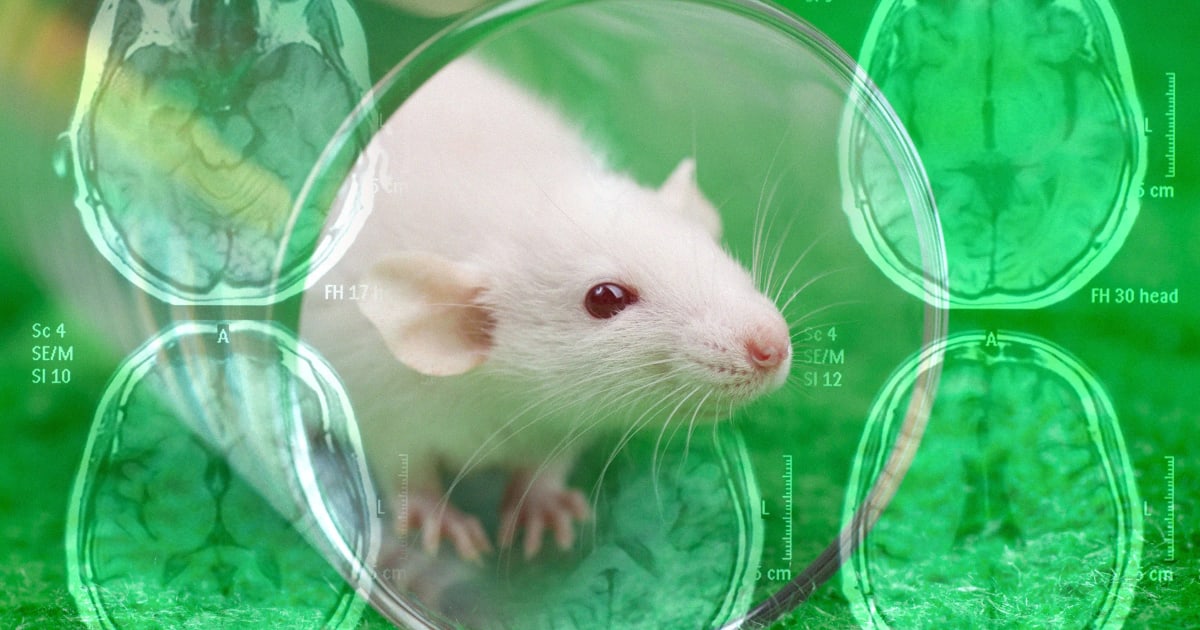
For decades, Alzheimer’s disease has remained one of medicine’s most formidable challenges, a progressive neurodegenerative disorder that erodes memory, cognition, and independence while offering patients and families little hope for meaningful reversal. Yet a recent study published in Nature Nanotechnology has shattered expectations by demonstrating that engineered nanoparticles can not only halt but reverse key pathological features of Alzheimer’s in aged mice. The findings represent a paradigm shift in how we approach neurodegenerative diseases, moving beyond symptom management to address the root causes of brain degeneration.
Researchers at the Institute of Neurodegenerative Science engineered nanoparticles capable of penetrating the blood brain barrier, a natural defense that typically blocks most therapeutic agents. Once inside the brain, these particles activated microglial cells, the brain’s resident immune cells, to clear toxic amyloid beta plaques, a defining hallmark of Alzheimer’s pathology. Equally remarkable, the treatment restored the integrity of the blood brain barrier, reducing inflammation and creating a microenvironment conducive to neuronal repair. The treated mice not only regained cognitive function but exhibited behaviors comparable to healthy younger animals, a result previously unseen in Alzheimer’s research.
Clinical Significance
This study is significant not only for its scientific novelty but for its potential to redefine Alzheimer’s treatment from palliative care to disease modification. Unlike existing therapies that temporarily alleviate symptoms, this nanotechnology approach targets the underlying pathology by enhancing the brain’s natural clearance mechanisms. The restoration of cognitive function in aged mice—particularly the recovery of spatial memory and learning abilities—suggests that neurodegeneration may be reversible under the right conditions. These findings align with growing evidence that the brain possesses an underappreciated capacity for self-repair when provided with the appropriate molecular tools.
The implications extend beyond Alzheimer’s. The same nanoparticles could be adapted to treat other neurodegenerative disorders characterized by protein aggregation, such as Parkinson’s disease or frontotemporal dementia. The blood-brain barrier, long considered an insurmountable obstacle, has now been breached with precision, opening new avenues for delivering therapies to the central nervous system. If these results translate to humans, the impact on global health would be profound, given that Alzheimer’s alone affects over 55 million people worldwide and costs health systems hundreds of billions annually.
Deep Dive and Research Findings
The research team, led by Dr. Elena Carter, employed a two-pronged strategy to address Alzheimer’s pathology. First, they designed nanoparticles coated with a peptide that binds specifically to amyloid-beta plaques. These particles were engineered to cross the blood-brain barrier by mimicking the surface properties of immune cells, a technique known as receptor-mediated transcytosis. Once inside the brain, the nanoparticles were taken up by microglial cells, which were then stimulated to degrade the amyloid plaques through enzymatic pathways.
The second component of the therapy focused on repairing the blood-brain barrier, which becomes compromised in Alzheimer’s due to chronic inflammation and oxidative stress. The nanoparticles delivered anti-inflammatory agents directly to the barrier, restoring its selective permeability and preventing further leakage of harmful molecules into the brain. The combination of plaque clearance and barrier repair created an environment where neurons could regenerate and form new synaptic connections. In behavioral tests, treated mice showed significant improvements in maze navigation, object recognition, and social interaction, all of which are impaired in Alzheimer’s models.
The study’s findings were corroborated by advanced imaging techniques, including positron emission tomography (PET) scans, which confirmed a reduction in amyloid load, and magnetic resonance imaging (MRI), which demonstrated restored barrier integrity. Histological analysis further revealed a decrease in neurofibrillary tangles, another pathological feature of Alzheimer’s, suggesting that the therapy may have broader effects on tau protein dysregulation.
Future Outlook and Medical Implications
While the results in mice are unprecedented, translating this therapy to humans will require rigorous clinical trials to assess safety, efficacy, and long-term outcomes. The research team has announced plans to initiate Phase I human trials within the next two years, with a focus on patients in the early stages of Alzheimer’s. These trials will prioritize safety, particularly given the potential for immune activation or off-target effects from nanoparticle delivery. If successful, the therapy could represent the first disease-modifying treatment for Alzheimer’s, a disease that currently has no cure and only limited symptomatic relief options.
The broader medical community is cautiously optimistic but emphasizes the need for patience. Dr. Carter noted in an interview with Science Translational Medicine that "the leap from mouse to human is substantial, but the mechanistic rationale is sound. We are not just treating symptoms; we are restoring the brain’s ability to heal itself." The success of this approach could inspire similar innovations in other fields of medicine, particularly in the treatment of traumatic brain injury or stroke, where barrier dysfunction and protein aggregation also play a role.
From a public health perspective, the development of such therapies underscores the importance of interdisciplinary collaboration. The convergence of nanotechnology, immunology, and neuroscience highlights how breakthroughs often emerge at the intersection of traditionally siloed disciplines. Governments and research funders are increasingly prioritizing neurodegenerative disease research, with initiatives like the National Institute on Aging (NIA) in the United States and the Alzheimer’s Society in the UK allocating significant resources to support these efforts.
Patient or Practitioner Guidance
For patients and families affected by Alzheimer’s, this breakthrough offers a glimmer of hope but should not be interpreted as an immediate solution. While human trials are on the horizon, the therapy remains experimental, and its availability to the public is likely years away. In the meantime, experts recommend focusing on evidence-based strategies to maintain cognitive health and reduce risk factors associated with Alzheimer’s.
Key recommendations include:
- Prioritize cardiovascular health: Conditions like hypertension, diabetes, and high cholesterol are linked to an increased risk of Alzheimer’s. Managing these through diet, exercise, and medication can lower risk.
- Engage in cognitive stimulation: Activities such as reading, puzzles, learning new skills, and social interaction can help preserve cognitive function.
- Monitor for early signs: Regular screenings for memory loss, confusion, or changes in behavior are critical, particularly for individuals over 65 or those with a family history of Alzheimer’s.
- Adopt a brain-healthy diet: The Mediterranean diet, rich in fruits, vegetables, whole grains, and healthy fats, has been associated with a reduced risk of cognitive decline.
- Stay informed about clinical trials: As research progresses, opportunities to participate in early-phase trials may arise. Organizations like the ClinicalTrials.gov database provide up-to-date information on ongoing studies.
For healthcare practitioners, the study highlights the need to stay abreast of emerging therapies and to counsel patients on the importance of early intervention. While no treatment can yet reverse Alzheimer’s, combining lifestyle modifications with emerging therapies may offer the best chance for slowing progression and improving quality of life.
Key Takeaways
- Nanoparticle based therapy has reversed Alzheimer’s symptoms in mice by clearing amyloid plaques and restoring the blood brain barrier, marking a potential paradigm shift in treatment.
- The breakthrough demonstrates that neurodegeneration may be reversible, challenging the long held belief that Alzheimer’s progression is irreversible.
- Human clinical trials are planned within the next two years, but the therapy remains experimental and is not yet available for patients.
- Early detection and lifestyle interventions remain critical for managing Alzheimer’s risk while awaiting disease modifying therapies.
- The study underscores the importance of interdisciplinary research in addressing complex neurodegenerative disorders.
Frequently Asked Questions
How does the nanoparticle therapy differ from existing Alzheimer’s treatments?
Unlike current Alzheimer’s drugs that primarily manage symptoms by boosting neurotransmitters like acetylcholine, this nanoparticle therapy targets the root causes of the disease. It clears toxic amyloid beta plaques, repairs the blood brain barrier, and reduces inflammation, aiming to halt and reverse neurodegeneration rather than just alleviate symptoms.
When can we expect human trials to begin, and how long might they take?
The research team has announced plans to initiate Phase I human trials within the next two years. These early phase trials focus on safety and dosing, and if successful, could progress to larger Phase II and III trials assessing efficacy. The entire process, from initial trials to potential regulatory approval, could take several years, depending on outcomes and regulatory requirements.
Could this therapy be used for other neurodegenerative diseases?
The underlying mechanisms of the therapy, clearing protein aggregates and repairing the blood brain barrier, could theoretically be adapted for other neurodegenerative disorders, such as Parkinson’s disease or frontotemporal dementia, which also involve similar pathological processes. However, this would require separate research and clinical trials to confirm safety and efficacy in those conditions.
What are the potential risks or side effects of nanoparticle therapy?
While the mouse study showed promising results, nanoparticles can pose risks such as immune activation, off target effects, or unintended interactions with other biological systems. Phase I human trials will prioritize safety assessments to identify any adverse effects before proceeding to larger studies. The research team is particularly focused on ensuring that the nanoparticles do not trigger excessive inflammation or damage healthy brain tissue.
What can individuals do now to reduce their risk of Alzheimer’s while waiting for new therapies?
While awaiting breakthrough treatments, individuals can reduce their risk of Alzheimer’s by maintaining cardiovascular health, engaging in regular physical and cognitive exercise, adopting a Mediterranean style diet, managing chronic conditions like diabetes and hypertension, and staying socially and mentally active. Regular screenings for early signs of cognitive decline are also recommended, especially for those over 65 or with a family history of the disease.
Medical Review: MedSense Editorial Board




DISCUSSION (0)
POST A COMMENT