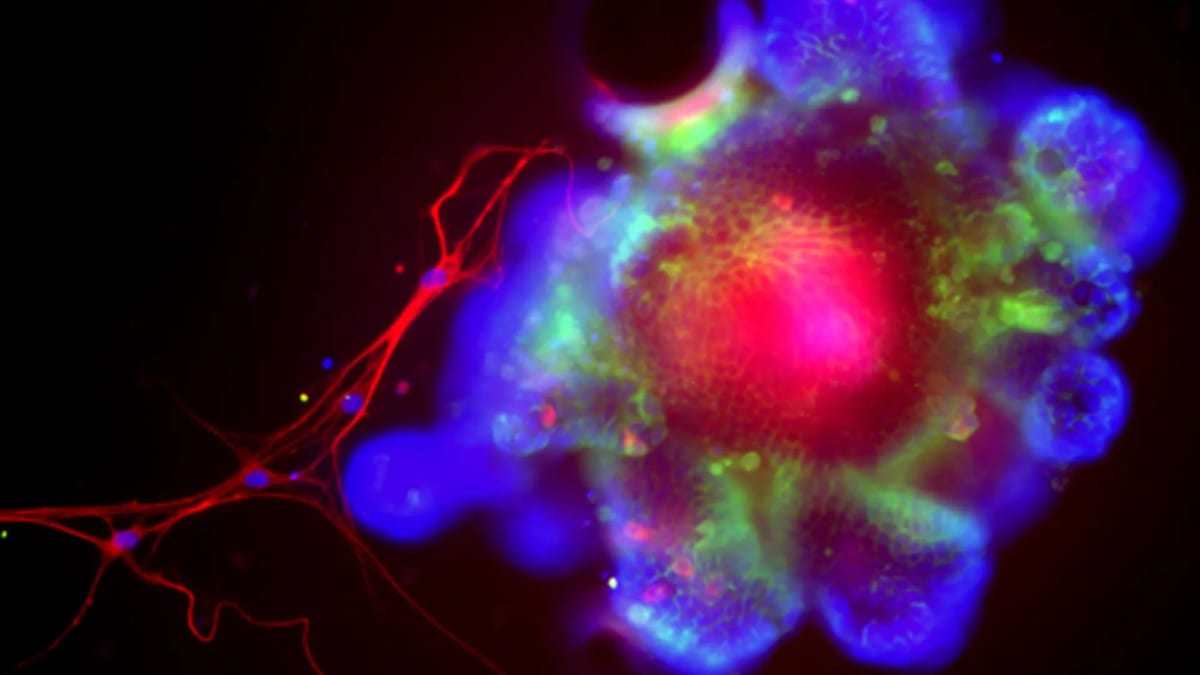
For the roughly 100,000 Americans living with alpha 1 antitrypsin deficiency, the disease has long been defined by its devastating impact on the lungs. Yet, a silent and often overlooked threat lurks within a subset of these patients: progressive liver damage that can lead to cirrhosis, liver failure, and even the need for transplantation. Until now, the reason why only 10 to 15 percent of individuals with this genetic disorder develop liver complications has remained one of medicine’s most perplexing unanswered questions.
A groundbreaking study published in Nature Communications by researchers at Washington University School of Medicine in St. Louis has finally peeled back the layers of this mystery. Their discovery of a previously unrecognized biological pathway not only explains why liver disease manifests in some patients but also paves the way for predictive testing and targeted therapies that could transform how this condition is managed.
What Happened
Alpha-1 antitrypsin deficiency is caused by mutations in the SERPINA1 gene, which encodes a protein critical for protecting the lungs from damage by enzymes like neutrophil elastase. When the protein is misfolded due to these mutations, it fails to perform its protective role in the lungs while simultaneously accumulating in the liver. This toxic buildup triggers inflammation, fibrosis, and ultimately, liver failure in a subset of patients.
The research team, led by Dr. Jeffrey Teckman, director of pediatric hepatology at Washington University, identified a secondary pathway in liver cells that determines whether the misfolded protein is effectively cleared or allowed to accumulate. In patients who develop liver disease, this pathway is overwhelmed, leading to the protein’s toxic retention. For those spared from liver complications, the pathway functions more efficiently, though their lungs remain vulnerable to the primary effects of the disorder.
The study utilized advanced proteomics and cell biology techniques to map the interactions between the misfolded protein and cellular degradation systems. By comparing liver tissue samples from patients with and without liver disease, the researchers pinpointed specific molecular markers that signal an elevated risk of hepatic complications.
Why Public Health Officials Are Concerned
Alpha-1 antitrypsin deficiency affects approximately 1 in 2,500 to 5,000 individuals worldwide, though many cases remain undiagnosed due to its variable presentation and overlap with symptoms of other conditions like chronic obstructive pulmonary disease (COPD). The silent progression of liver disease in a subset of these patients adds a layer of complexity to diagnosis and management. Without early intervention, liver complications can advance to cirrhosis before symptoms such as jaundice, fatigue, or abdominal swelling become apparent.
Public health experts emphasize the need for greater awareness among both patients and healthcare providers. Many individuals with alpha-1 antitrypsin deficiency are unaware of their liver disease risk until irreversible damage has occurred. The discovery of this predictive pathway could significantly improve early detection rates and enable proactive monitoring for high-risk patients.
Symptoms or Risk Factors
While the primary symptoms of alpha-1 antitrypsin deficiency are respiratory—including shortness of breath, chronic cough, and wheezing—liver-related symptoms may include:
- Unexplained fatigue or weakness
- Jaundice (yellowing of the skin or eyes)
- Swelling in the abdomen or legs
- Easy bruising or bleeding
- Dark urine or pale stools
Risk factors for liver disease in alpha-1 antitrypsin deficiency include:
- Specific genetic variants of the SERPINA1 gene, particularly the Z allele
- Male sex (studies suggest men may be at higher risk for liver complications)
- Obesity or metabolic syndrome, which may exacerbate liver inflammation
- Alcohol consumption, which can accelerate liver damage
Who May Be Affected
Alpha-1 antitrypsin deficiency is an inherited disorder, meaning it is passed down through families. However, not everyone with the genetic mutation will develop symptoms, and the severity of the disease can vary widely. The following groups may be particularly affected by liver complications:
- Children with alpha-1 antitrypsin deficiency: Liver disease can manifest in infancy or early childhood, often presenting as jaundice or failure to thrive. Early diagnosis and monitoring are critical in this population.
- Adults with the ZZ genotype: Individuals homozygous for the Z allele (ZZ genotype) are at the highest risk for both lung and liver disease. This genotype is present in the majority of patients who develop liver complications.
- Patients with undiagnosed liver disease: Many individuals with alpha-1 antitrypsin deficiency are misdiagnosed with other liver conditions, such as viral hepatitis or nonalcoholic fatty liver disease (NAFLD). The new findings underscore the importance of genetic testing for patients with unexplained liver disease.
- Families with a history of alpha-1 antitrypsin deficiency: Genetic counseling and testing can help identify at-risk individuals before symptoms arise, enabling early intervention.
Government or WHO Response
The World Health Organization (WHO) recognizes alpha-1 antitrypsin deficiency as a significant global health concern, particularly in regions with high rates of consanguineous marriages, which increase the likelihood of inheriting the disorder. The WHO’s 2020 report on rare diseases highlights the need for improved diagnostic tools and access to specialized care for affected individuals.
In the United States, the National Heart, Lung, and Blood Institute (NHLBI) provides resources for patients and healthcare providers, including guidelines for diagnosis and management. The NHLBI also funds research into alpha-1 antitrypsin deficiency, with a focus on developing predictive biomarkers and novel therapies.
Public health agencies are increasingly advocating for newborn screening programs to identify alpha-1 antitrypsin deficiency early in life. While such programs are not yet universal, pilot studies in several states have demonstrated their potential to reduce long-term complications by enabling early intervention.
Prevention and Safety Guidance
While there is currently no cure for alpha-1 antitrypsin deficiency, proactive management can significantly improve outcomes. The following strategies may help mitigate the risk of liver complications:
- Genetic testing and counseling: Individuals with a family history of alpha-1 antitrypsin deficiency or unexplained liver disease should consider genetic testing. Counseling can help families understand their risk and make informed decisions about family planning.
- Regular monitoring: Patients with alpha-1 antitrypsin deficiency, particularly those with the ZZ genotype, should undergo regular liver function tests and imaging studies to detect early signs of liver damage. This may include ultrasound, FibroScan, or MRI elastography.
- Lifestyle modifications: Maintaining a healthy weight, avoiding alcohol, and managing conditions like diabetes or metabolic syndrome can reduce the strain on the liver. A balanced diet rich in fruits, vegetables, and lean proteins may also support liver health.
- Vaccinations: Patients with alpha-1 antitrypsin deficiency should stay up to date on vaccinations for hepatitis A and B, as these viruses can exacerbate liver damage.
- Emerging therapies: Clinical trials are underway to evaluate therapies that target the misfolded protein or enhance its clearance from liver cells. Patients should discuss participation in clinical trials with their healthcare providers.
What Readers Should Know
This discovery represents a pivotal moment in the management of alpha-1 antitrypsin deficiency. For decades, the medical community has focused primarily on the lung complications of this disorder, often overlooking the silent threat to the liver. The identification of a predictive protein pathway offers hope for a future where patients can be stratified by risk and receive tailored care before irreversible damage occurs.
For patients and families affected by alpha-1 antitrypsin deficiency, the most important takeaway is to advocate for comprehensive care. This means not only managing lung health but also proactively monitoring liver function. Ask your healthcare provider about genetic testing, risk assessment tools, and emerging therapies that may be appropriate for your situation.
The broader implications of this research extend beyond alpha-1 antitrypsin deficiency. Protein aggregation is a hallmark of several other genetic and neurodegenerative disorders, including cystic fibrosis and Alzheimer’s disease. The insights gained from this study could inform the development of therapies for these conditions, offering a ripple effect of hope for millions of patients worldwide.
Key Takeaways
- A newly discovered protein pathway in liver cells predicts which patients with alpha 1 antitrypsin deficiency will develop life threatening liver disease.
- The study, published in Nature Communications, provides a foundation for early detection and personalized treatment strategies.
- Liver complications in alpha 1 antitrypsin deficiency are often silent until advanced stages, making proactive monitoring essential.
- Genetic testing and regular liver function assessments are critical for patients with the ZZ genotype or a family history of the disorder.
- Lifestyle modifications, such as avoiding alcohol and maintaining a healthy weight, can help reduce the risk of liver damage.
- This research could have broader implications for other protein aggregation disorders, including cystic fibrosis and neurodegenerative diseases.
Frequently Asked Questions
What is alpha 1 antitrypsin deficiency, and how does it affect the body?
Alpha 1 antitrypsin deficiency is a genetic disorder caused by mutations in the SERPINA1 gene, which encodes a protein that protects the lungs from damage. When the protein is misfolded, it fails to perform this role in the lungs while accumulating in the liver, leading to inflammation, fibrosis, and potential liver failure in a subset of patients.
Why do only some patients with alpha 1 antitrypsin deficiency develop liver disease?
Researchers have identified a secondary protein pathway in liver cells that determines whether the misfolded protein is effectively cleared or allowed to accumulate. In patients who develop liver disease, this pathway is overwhelmed, leading to toxic buildup. For others, the pathway functions more efficiently, sparing them from liver complications.
How can patients with alpha 1 antitrypsin deficiency monitor their liver health?
Patients should undergo regular liver function tests, including blood tests for enzymes like ALT and AST, as well as imaging studies such as ultrasound or FibroScan. Genetic testing can also help identify those at higher risk for liver complications.
Are there any lifestyle changes that can help protect the liver in alpha 1 antitrypsin deficiency?
Yes. Maintaining a healthy weight, avoiding alcohol, managing conditions like diabetes or metabolic syndrome, and staying up to date on vaccinations for hepatitis A and B can help reduce the strain on the liver. A balanced diet rich in fruits, vegetables, and lean proteins may also support liver health.
What treatments are available for alpha 1 antitrypsin deficiency?
There is currently no cure for alpha 1 antitrypsin deficiency, but treatments focus on managing symptoms and preventing complications. This may include augmentation therapy to replace the missing protein, medications to manage lung disease, and lifestyle modifications to protect the liver. Clinical trials are also exploring novel therapies targeting the misfolded protein.
How can families with a history of alpha 1 antitrypsin deficiency assess their risk?
Families with a history of the disorder should consider genetic counseling and testing to identify at risk individuals. This can help enable early intervention and proactive monitoring for liver and lung complications.
Medical Review: MedSense Editorial Board





DISCUSSION (0)
POST A COMMENT