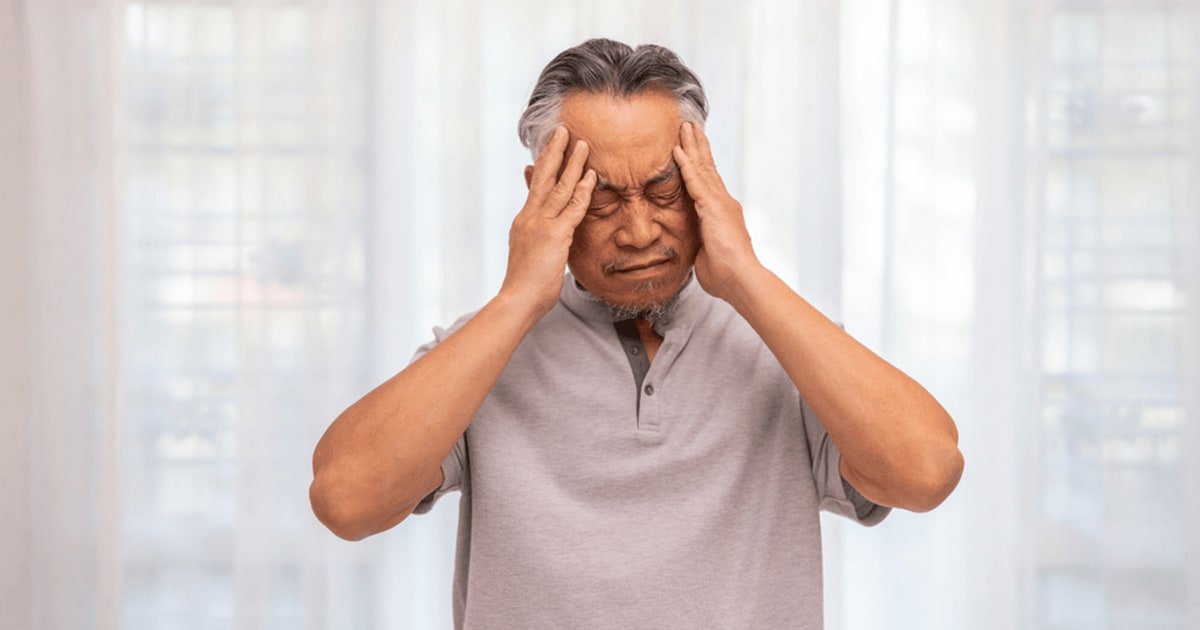
Middle aged and older adults who experience migraines with aura may face a higher risk of ischemic stroke, according to a study published in Neurology. The findings add a critical layer to the long standing debate about the cardiovascular risks tied to severe headaches. While the research does not establish causation, it underscores the need for clinicians and patients to monitor symptoms closely, particularly in aging populations where stroke risk naturally rises. The study, which analyzed data from thousands of participants, found no such association for migraines without aura. This distinction is vital, as it suggests that the visual or sensory disturbances accompanying aura may play a role in vascular health. For the millions of adults living with migraines, these results could reshape how they and their doctors approach prevention and risk assessment.
Clinical Significance
Migraine with aura has long been a subject of scrutiny in neurological research, particularly concerning its potential ties to cerebrovascular events. This latest study, published in Neurology, provides fresh evidence that the condition may not be as benign as once assumed in older adults. Ischemic strokes, which occur when a blood clot blocks an artery supplying the brain, are a leading cause of disability and death worldwide. Identifying even modestly elevated risk factors could have significant implications for early intervention and patient counseling.
The distinction between migraines with and without aura is particularly noteworthy. Aura symptoms, which can include visual disturbances like flashing lights or zigzag patterns, numbness, or speech difficulties, typically precede the headache phase. While the exact mechanisms remain unclear, researchers speculate that these neurological symptoms may reflect transient vascular changes that, over time, could contribute to stroke risk.
Deep Dive and Research Findings
The study drew from a large cohort of middle aged and older adults, tracking their health outcomes over several years. Participants who reported migraines with aura showed a statistically significant increase in ischemic stroke incidence compared to those without migraines or those with migraines lacking aura. Importantly, the association persisted even after adjusting for other known stroke risk factors, such as hypertension, diabetes, and smoking.
However, the authors caution against overinterpretation. The study design, an observational one, cannot prove that migraines with aura directly cause strokes. Instead, it highlights a correlation that warrants further investigation. For instance, it remains unclear whether the aura itself is a risk factor or merely a marker of underlying vascular vulnerability. Future research may explore whether managing aura symptoms could mitigate stroke risk or if other shared biological pathways are at play.
Future Outlook and Medical Implications
These findings could prompt a shift in how neurologists and primary care physicians approach migraine management in older patients. Currently, migraine treatment focuses primarily on symptom relief and quality of life improvement. However, if future studies confirm a causal link, clinicians may need to incorporate cardiovascular risk assessments into routine care for patients with aura associated migraines. This could include more frequent blood pressure monitoring, lipid profiling, or even discussions about lifestyle modifications to reduce stroke risk.
Additionally, the study raises questions about the role of preventive medications. While drugs like antiplatelets or statins are not currently standard for migraine patients, their potential benefits in high risk subgroups may need reevaluation. Researchers are also likely to explore whether newer migraine specific treatments, such as CGRP inhibitors, could influence stroke risk by addressing underlying vascular mechanisms.
Patient or Practitioner Guidance
For patients, particularly those over 50 who experience migraines with aura, this study serves as a reminder to stay vigilant about overall cardiovascular health. Key steps include:
- Regular check ups with a healthcare provider to monitor blood pressure, cholesterol, and blood sugar levels.
- Adopting a heart healthy lifestyle, including a balanced diet, regular exercise, and smoking cessation.
- Tracking migraine patterns and discussing any changes in aura symptoms with a neurologist.
- Being aware of stroke warning signs, such as sudden numbness, confusion, or difficulty speaking, and seeking immediate medical attention if they occur.
For clinicians, the study underscores the importance of taking a detailed migraine history, including the presence or absence of aura. Patients with aura associated migraines may benefit from more comprehensive cardiovascular risk assessments and personalized prevention strategies. While more research is needed, these findings provide a compelling reason to bridge the gap between migraine management and stroke prevention.
Key Takeaways
- Migraine with aura is associated with a higher risk of ischemic stroke in middle aged and older adults, according to a study in Neurology.
- The study found no increased stroke risk for migraines without aura, highlighting the potential significance of aura symptoms.
- While the research shows an association, it does not prove causation, and further investigation is needed to understand the underlying mechanisms.
- Patients with migraines and aura should prioritize cardiovascular health monitoring and discuss risk factors with their healthcare providers.
- Clinicians may need to incorporate stroke risk assessments into routine care for older patients with aura associated migraines.
Frequently Asked Questions
What is a migraine with aura?
A migraine with aura is a type of migraine that includes neurological symptoms, such as visual disturbances (flashing lights, zigzag patterns), numbness, or difficulty speaking, which typically occur before the headache phase begins.
Does this study mean that migraines with aura cause strokes?
No, the study does not prove causation. It shows an association between migraines with aura and a higher risk of ischemic stroke, but further research is needed to determine if there is a direct causal link or if other factors are involved.
What should I do if I experience migraines with aura?
If you experience migraines with aura, particularly if you are middle aged or older, it is important to monitor your cardiovascular health. Schedule regular check ups with your healthcare provider, maintain a healthy lifestyle, and be aware of stroke warning signs. Discuss any changes in your symptoms with a neurologist.
Are there treatments that can reduce stroke risk for people with migraines and aura?
Currently, there are no specific treatments proven to reduce stroke risk in people with migraines and aura. However, managing overall cardiovascular risk factors, such as high blood pressure, high cholesterol, and diabetes, is crucial. Your doctor may recommend lifestyle changes or medications to address these risks.
Should I be concerned if I have migraines without aura?
The study found no increased stroke risk for migraines without aura. However, it is always a good idea to discuss any health concerns with your healthcare provider, especially if you have other risk factors for stroke or cardiovascular disease.
Medical Review: MedSense Editorial Board




DISCUSSION (0)
POST A COMMENT