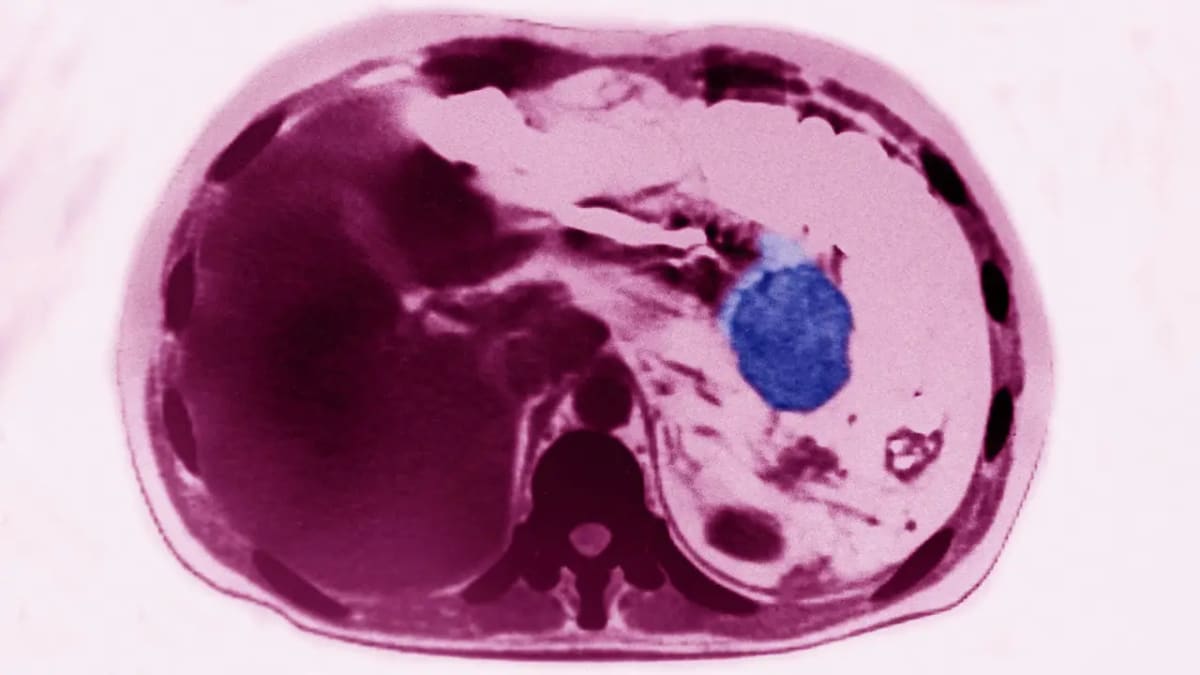
A routine abdominal scan revealing a pancreatic cyst may seem like an incidental finding, but new research suggests it could be an early warning sign of a life threatening malignancy. Investigators at Mass General Brigham have found that patients with low risk pancreatic cystic lesions face a risk of developing pancreatic cancer 14 times higher than the general population. The discovery underscores the critical importance of proactive surveillance in a disease where early detection can mean the difference between life and death.
Clinical Significance
Pancreatic cancer remains one of the deadliest malignancies, with a five year survival rate of just 15% when diagnosed at advanced stages. However, catching the disease early can dramatically improve outcomes, with survival rates soaring to 80% for those identified in the earliest phases. The challenge lies in detection, as symptoms often appear only after the cancer has spread. This study highlights the potential of pancreatic cysts, frequently discovered during unrelated imaging, as a critical indicator for heightened cancer risk.
Deep Dive and Research Findings
Researchers at Mass General Brigham analyzed data from patients with low risk pancreatic cystic lesions (PCLs), which are typically considered benign and often dismissed without follow up. Their findings revealed a startling disparity: these patients had a 14 times higher risk of developing pancreatic cancer compared to the general population. The study, published in a leading medical journal, suggests that even low risk cysts may warrant closer monitoring than previously recommended.
The investigation involved a large cohort of patients who underwent abdominal imaging for unrelated conditions and were later diagnosed with PCLs. Over time, a subset of these patients developed pancreatic cancer, prompting researchers to reassess the clinical approach to managing such cysts. The data indicates that current guidelines may underestimate the long term risks associated with seemingly harmless pancreatic lesions.
Future Outlook and Medical Implications
The implications of this research extend beyond individual patient care. If validated in larger studies, the findings could prompt a shift in clinical guidelines, encouraging more aggressive surveillance protocols for patients with low risk pancreatic cysts. This would particularly benefit high risk groups, including those with a family history of pancreatic cancer or genetic predispositions such as BRCA mutations.
Additionally, the study opens doors for further research into biomarkers or imaging techniques that could more accurately predict which cysts are likely to progress to malignancy. Such advancements could lead to personalized risk stratification, ensuring that resources are allocated to those who need them most.
Patient or Practitioner Guidance
For patients who have been told they have a pancreatic cyst, this study serves as a reminder to discuss long term monitoring plans with their healthcare provider. Even if a cyst is classified as low risk, the potential for progression to cancer warrants ongoing vigilance. Imaging studies such as MRI or endoscopic ultrasound may be recommended at regular intervals to detect any changes in the cyst's characteristics.
Practitioners should also consider the broader context of a patient's health, including family history and genetic factors, when determining the appropriate follow up strategy. Shared decision making between patients and clinicians will be essential in balancing the benefits of surveillance with the potential psychological and financial burdens of frequent testing.
Key Takeaways
- Patients with low risk pancreatic cysts face a 14 times higher risk of developing pancreatic cancer than the general population, according to a new study from Mass General Brigham.
- Early detection of pancreatic cancer can increase five year survival rates from 15% to 80%, making vigilant monitoring of pancreatic cysts critical.
- Current clinical guidelines may underestimate the long term risks of pancreatic cysts, potentially leaving some patients without adequate follow up care.
- Further research is needed to identify biomarkers or imaging techniques that can better predict which cysts are likely to progress to malignancy.
Frequently Asked Questions
What are pancreatic cysts, and why are they concerning?
Pancreatic cysts are fluid filled sacs that can form on or within the pancreas. While many are benign, some can progress to pancreatic cancer over time. Even low risk cysts may carry a significantly higher risk of malignancy than previously believed, warranting careful monitoring.
How often should patients with pancreatic cysts undergo surveillance?
The frequency of surveillance depends on the cyst's characteristics and the patient's overall risk profile. Patients should discuss a personalized monitoring plan with their healthcare provider, which may include imaging studies such as MRI or endoscopic ultrasound at regular intervals.
Are there any risk factors that increase the likelihood of a pancreatic cyst progressing to cancer?
Yes. Risk factors include a family history of pancreatic cancer, genetic predispositions such as BRCA mutations, and certain types of cysts, such as intraductal papillary mucinous neoplasms (IPMNs). Patients with these risk factors may require more frequent or intensive surveillance.
What should patients do if they are diagnosed with a pancreatic cyst?
Patients should seek a clear explanation of the cyst's classification and potential risks from their healthcare provider. They should also inquire about a long term monitoring plan and consider discussing their family history and genetic factors to ensure the most appropriate follow up strategy.
Medical Review: MedSense Editorial Board





DISCUSSION (0)
POST A COMMENT