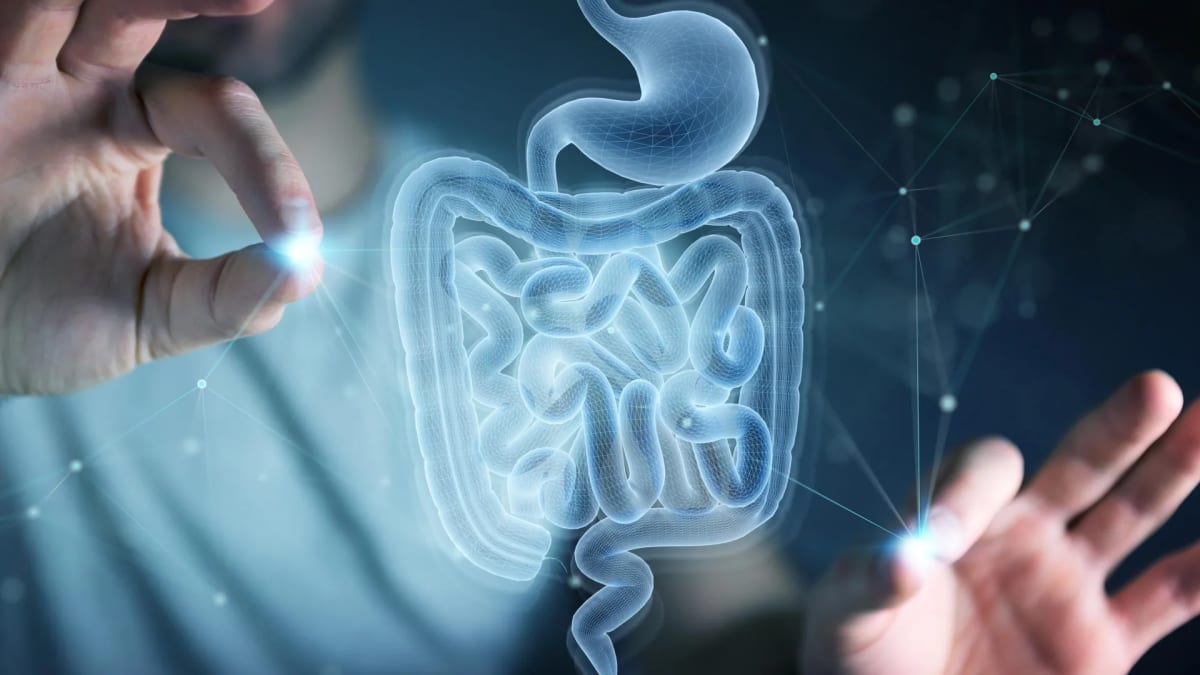
A team of researchers at the Massachusetts Institute of Technology has uncovered a promising pathway for healing intestinal damage caused by radiation therapy. Their study, published in a leading scientific journal, reveals how a naturally occurring amino acid found in everyday foods may play a critical role in restoring gut health. The discovery offers hope for cancer patients who often suffer severe gastrointestinal complications as a side effect of life saving treatments.
Clinical Significance
For patients undergoing radiation therapy for abdominal or pelvic cancers, damage to the intestinal lining is a common and debilitating side effect. Current treatments focus on managing symptoms rather than repairing the underlying tissue damage. The identification of cysteine as a trigger for intestinal repair could pave the way for targeted dietary interventions that enhance recovery and improve quality of life during and after cancer treatment.
Deep Dive and Research Findings
The MIT team conducted experiments on mice exposed to radiation, simulating the gut damage seen in human cancer patients. They found that a diet rich in cysteine activated a specific subset of immune cells in the gut. These cells, known as group 2 innate lymphoid cells (ILC2s), released signaling molecules that stimulated stem cells in the intestinal lining to proliferate and repair damaged tissue. The repair process was significantly accelerated in mice fed a cysteine enriched diet compared to those on a standard diet.
The researchers also noted that cysteine’s role extended beyond simple nutrition. It appeared to act as a molecular switch, turning on the healing pathway in immune cells that are typically dormant in damaged tissue. This dual function, as both a nutrient and a biological trigger, sets cysteine apart from other amino acids and suggests it could be harnessed in therapeutic strategies.
Future Outlook and Medical Implications
While the study was conducted in mice, the findings hold significant potential for human applications. The researchers are now exploring whether cysteine supplements or cysteine rich foods could be integrated into clinical protocols for cancer patients. Early phase human trials may soon evaluate the safety and efficacy of cysteine based therapies in reducing gut damage from radiation.
Beyond cancer care, the discovery could have broader implications for treating inflammatory bowel disease (IBD) and other conditions characterized by intestinal damage. If cysteine’s healing properties are confirmed in humans, it may offer a low cost, accessible intervention to complement existing treatments.
Patient or Practitioner Guidance
For now, patients and healthcare providers should approach cysteine as a promising but unproven therapy. While foods like chicken, eggs, dairy, lentils, and almonds are excellent sources of cysteine, there is no established clinical protocol for using these foods to treat radiation induced gut damage. Patients undergoing radiation therapy should continue to follow their oncologist’s advice and report any gastrointestinal symptoms promptly.
Researchers caution that cysteine supplements are not yet recommended for this purpose. High doses of cysteine or its precursor, N acetylcysteine, may have unintended effects and should only be used under medical supervision. The scientific community eagerly awaits further studies to determine optimal dosing and delivery methods for cysteine based therapies.
Key Takeaways
- Cysteine, a naturally occurring amino acid found in foods like meat, dairy, beans, and nuts, has been shown to trigger intestinal repair in mice exposed to radiation.
- The amino acid activates immune cells in the gut, which release signals that stimulate stem cells to rebuild damaged intestinal tissue.
- While the findings are promising, cysteine based therapies for human patients are still in the early research phase and not yet part of standard clinical practice.
- Patients undergoing radiation therapy should continue to follow their oncologist’s guidance and report any gastrointestinal symptoms.
Frequently Asked Questions
What foods are high in cysteine?
Cysteine is found in protein rich foods such as chicken, turkey, eggs, dairy products, lentils, almonds, sunflower seeds, and oats.
Can I take cysteine supplements to protect my gut during radiation therapy?
Currently, there is no clinical evidence to support the use of cysteine supplements for this purpose. High doses may have side effects, and patients should consult their healthcare provider before taking any supplements during cancer treatment.
How does cysteine help heal the gut after radiation damage?
In the MIT study, cysteine activated immune cells called group 2 innate lymphoid cells (ILC2s), which released signals that stimulated stem cells in the intestinal lining to repair damaged tissue.
Are there any risks associated with a cysteine rich diet?
For most people, a balanced diet containing cysteine rich foods is safe. However, individuals with certain medical conditions or those taking specific medications should consult a healthcare provider before making significant dietary changes.
Medical Review: MedSense Editorial Board




DISCUSSION (0)
POST A COMMENT