A team of chemists has achieved a milestone in synthetic chemistry by developing a light driven method to produce highly strained molecular structures known as housanes. These compact, ring shaped compounds hold significant promise for drug development and advanced materials science due to their unique properties. The breakthrough, published in a leading peer reviewed journal, addresses a longstanding challenge in organic synthesis: the efficient creation of molecules with extreme internal strain. By harnessing photocatalysis, researchers have demonstrated a cleaner and more efficient pathway to generate these elusive structures, opening new avenues for medical and technological innovation.
Clinical Significance
Housane molecules, characterized by their compact ring systems and high energy bonds, have remained largely inaccessible to conventional synthetic methods. Their strained architecture makes them difficult to produce, yet their potential applications in pharmaceuticals and materials science are substantial. This breakthrough could accelerate the development of novel drugs with improved efficacy and reduced side effects, as well as advanced materials with tailored mechanical and electronic properties. The ability to synthesize these molecules efficiently may also reduce reliance on scarce or toxic reagents in chemical manufacturing.
Deep Dive and Research Findings
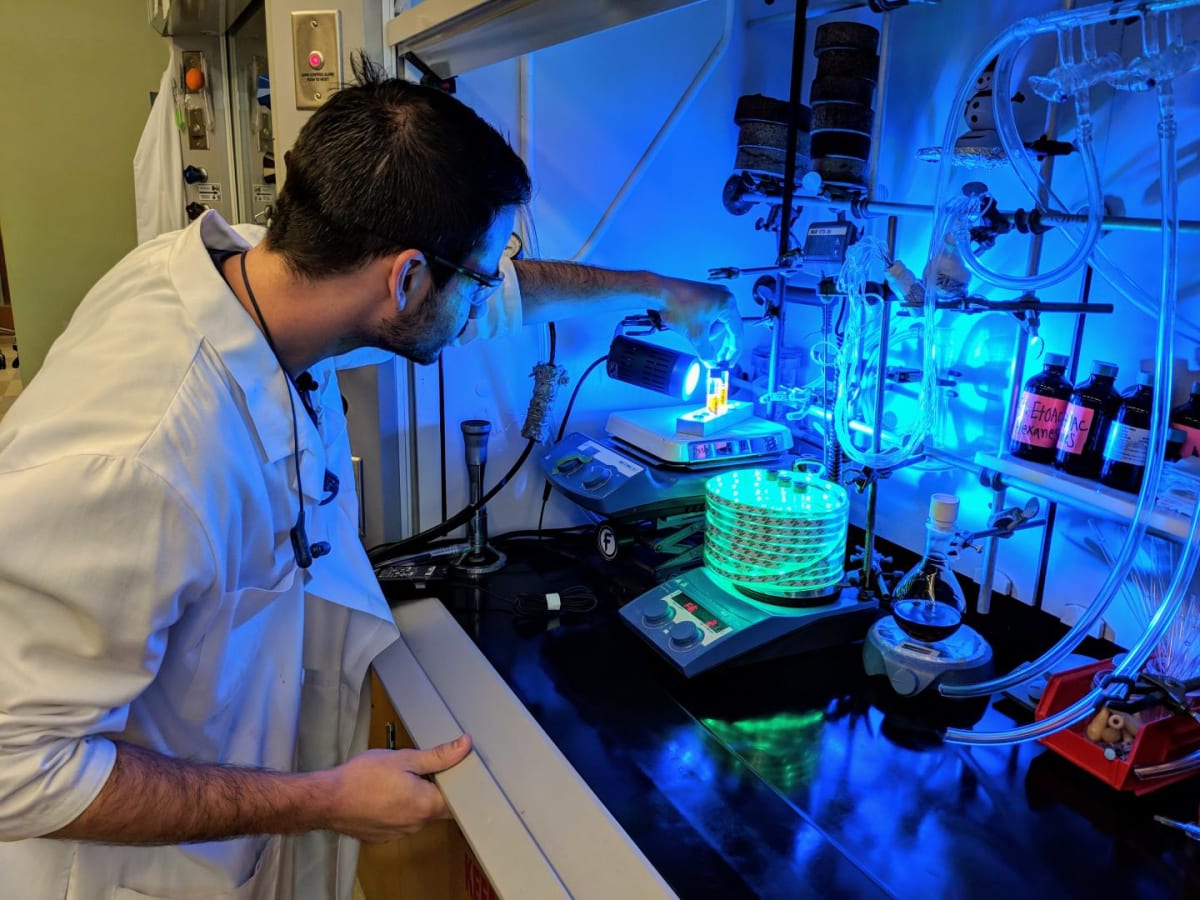
The research team employed a photocatalytic approach, using light energy to drive the reaction toward the formation of housane structures. Unlike traditional methods that often require harsh conditions or produce unwanted byproducts, this technique leverages carefully tuned starting materials and a photocatalyst to guide the reaction along a clean pathway. The process involves irradiating the reaction mixture with specific wavelengths of light, which activates the photocatalyst and facilitates the formation of the strained ring system. The team demonstrated the method’s versatility by producing a range of housane derivatives, confirming the approach’s reproducibility and scalability.
The study highlights the role of molecular strain in determining the reactivity and stability of these compounds. By systematically varying the substituents on the starting materials, the researchers identified key structural features that influence the efficiency of housane formation. This insight not only advances the field of synthetic chemistry but also provides a framework for designing other high energy molecules with tailored properties.
Future Outlook and Medical Implications
The development of a light driven method for synthesizing housanes could have far reaching implications for both medicine and materials science. In drug development, these molecules may serve as scaffolds for designing therapeutics with enhanced binding affinities to biological targets, potentially leading to more potent and selective drugs. Additionally, their unique electronic properties make them attractive candidates for use in organic electronics, photovoltaics, and other advanced technologies. Researchers are now exploring the integration of housanes into functional materials, such as lightweight polymers or energy storage systems, which could revolutionize industries ranging from healthcare to renewable energy.
The scalability of this method also positions it as a sustainable alternative to traditional synthetic routes, which often rely on energy intensive processes or hazardous chemicals. As the technique matures, it may pave the way for greener and more efficient chemical manufacturing, aligning with global efforts to reduce the environmental footprint of industrial processes.
Patient or Practitioner Guidance
While this breakthrough represents a significant advancement in synthetic chemistry, its immediate impact on patients and practitioners remains indirect. For now, the primary beneficiaries are researchers and chemists working at the intersection of organic synthesis, drug discovery, and materials science. Clinicians and healthcare providers should be aware of the potential long term implications, particularly as housane based compounds enter preclinical and clinical testing phases. The development of new drugs or materials derived from this technology could eventually translate into improved treatment options or advanced medical devices, but such applications are likely years away from realization.
For chemists and researchers, this study underscores the importance of interdisciplinary collaboration in tackling complex synthetic challenges. By combining principles of photochemistry, molecular design, and catalysis, the team has demonstrated how innovative approaches can overcome longstanding barriers in chemistry. This work may inspire further exploration into the synthesis of other high energy or strained molecules, expanding the toolkit available to scientists in diverse fields.
Key Takeaways
- A light driven photocatalytic method enables the efficient synthesis of highly strained housane molecules, addressing a major challenge in organic chemistry.
- Housane structures hold potential for drug development, advanced materials, and sustainable chemical manufacturing due to their unique properties.
- The breakthrough could reduce reliance on hazardous reagents and energy intensive processes in chemical synthesis.
- While the immediate impact is primarily scientific, future applications may include novel therapeutics and next generation materials.
Frequently Asked Questions
What are housane molecules, and why are they difficult to synthesize?
Housanes are compact, ring shaped molecules with high internal strain due to their unique three dimensional structure. This strain makes them energetically unstable and difficult to produce using conventional synthetic methods, which often fail to control the reaction pathways effectively.
How does the light driven method improve the synthesis of housanes?
The photocatalytic approach uses light energy to activate a catalyst, guiding the reaction toward the formation of housane structures. This method avoids the harsh conditions and unwanted byproducts associated with traditional synthesis, resulting in a cleaner and more efficient process.
What are the potential applications of housane molecules in medicine and materials science?
Housanes could serve as scaffolds for drug design, enabling the creation of therapeutics with enhanced binding affinities and reduced side effects. In materials science, their unique electronic and mechanical properties make them suitable for applications in organic electronics, energy storage, and lightweight polymers.
Is this method scalable for industrial use?
While the study demonstrates the method’s reproducibility and scalability in a laboratory setting, further research is needed to assess its viability for large scale industrial applications. The potential for greener and more efficient chemical manufacturing, however, makes this an exciting avenue for future exploration.
Medical Review: MedSense Editorial Board





DISCUSSION (0)
POST A COMMENT