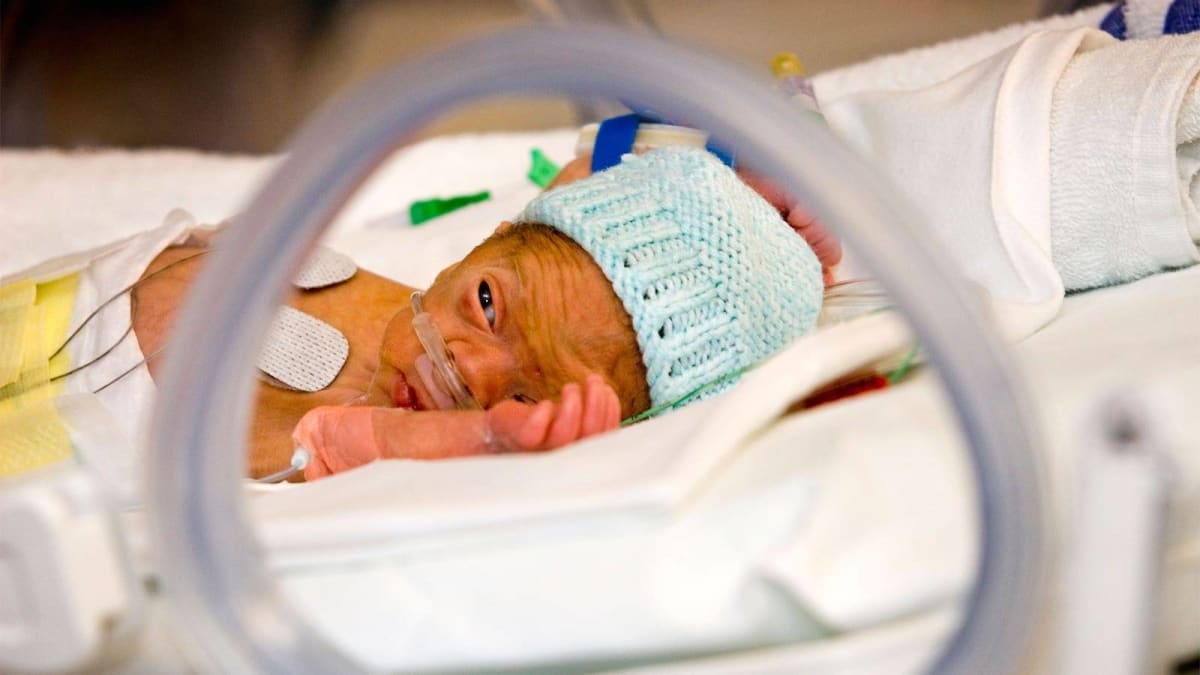
Every year, thousands of infants are born too soon, before 28 weeks of gestation, entering the world at a stage when the brain is still in the midst of its most delicate and transformative phase. Inside the womb, the fetal brain is not merely growing; it is folding, organizing neural networks, and establishing the foundation for language, memory, and cognition. This process unfolds in a carefully regulated environment, shielded from external stimuli. But when birth occurs this early, the sudden shift to the outside world forces the brain to adapt in ways that science is only beginning to understand. The consequences of this disruption extend far beyond infancy, shaping long term neurological and cognitive outcomes in ways that researchers and clinicians are still unraveling.
Clinical Significance
The brain of an extremely preterm infant is in a state of rapid and intricate development. Between 24 and 28 weeks of gestation, neural structures undergo critical processes such as synaptic pruning, myelination, and the formation of functional networks. These processes are essential for higher order cognitive functions, including attention, learning, and executive control. When birth occurs prematurely, the brain is abruptly exposed to sensory inputs, environmental stressors, and medical interventions that it was not evolutionarily prepared to handle. This early exposure can alter the trajectory of neural development, leading to both immediate and long term challenges.
Deep Dive and Research Findings
Research into the brains of extremely preterm infants has revealed striking differences in structure and function compared to those born at full term. Studies using advanced neuroimaging techniques, such as MRI and diffusion tensor imaging, have shown that preterm birth is associated with reduced cortical volume, altered white matter integrity, and disrupted connectivity in key neural networks. These changes are not uniform; some regions of the brain, particularly those involved in sensory processing and motor control, may develop more rapidly to compensate for the early exposure to external stimuli, while others, such as those supporting higher cognitive functions, may lag behind.
One of the most significant findings is the impact of prematurity on the development of the default mode network, a large scale brain network active during rest and involved in self referential thought, memory, and social cognition. In preterm infants, this network often shows delayed or atypical maturation, which may contribute to the increased risk of neurodevelopmental disorders, including autism spectrum disorder and attention deficit/hyperactivity disorder. Additionally, preterm birth has been linked to differences in the development of the hippocampus, a region critical for memory and learning, which may explain the higher prevalence of cognitive and academic difficulties in this population.
Future Outlook and Medical Implications
The insights gained from studying the brains of extremely preterm infants are reshaping neonatal care and early intervention strategies. Clinicians are increasingly recognizing the importance of minimizing environmental stressors in the neonatal intensive care unit, such as excessive noise and light, which can overwhelm the developing brain. There is also growing interest in the role of nurturing touch, skin to skin contact, and parental involvement in supporting neural development during this critical period.
Emerging research is exploring the potential of neuroprotective therapies, such as erythropoietin and melatonin, to mitigate the effects of prematurity on the brain. These therapies aim to reduce inflammation, promote neuronal survival, and support the repair of damaged white matter. While still in the experimental stages, such interventions hold promise for improving long term outcomes for preterm infants. Additionally, advances in neuroimaging are enabling earlier and more accurate identification of infants at risk for neurodevelopmental delays, allowing for timely intervention and support.
Patient or Practitioner Guidance
For parents of extremely preterm infants, understanding the potential challenges and opportunities associated with early brain development can be empowering. Early intervention programs, such as physical therapy, occupational therapy, and speech language therapy, can play a crucial role in supporting cognitive and motor development. Parents are encouraged to work closely with their childs healthcare team to monitor developmental milestones and address any concerns promptly.
For healthcare providers, the findings underscore the importance of a multidisciplinary approach to neonatal care. This includes not only medical management but also developmental support, parental education, and long term follow up. Clinicians should be vigilant in screening for neurodevelopmental delays and connecting families with appropriate resources, such as early intervention services and support groups. By taking a proactive and holistic approach, healthcare teams can help mitigate the long term impacts of extreme prematurity on brain development and overall well being.
Key Takeaways
- Extremely preterm birth disrupts critical brain development processes, including synaptic pruning, myelination, and network formation.
- Neuroimaging studies reveal structural and functional differences in the brains of preterm infants, particularly in regions supporting cognition, memory, and social function.
- Early intervention, environmental modifications in neonatal care, and emerging neuroprotective therapies may improve long term outcomes for preterm infants.
- Parents and healthcare providers should prioritize developmental monitoring and early support to address potential neurodevelopmental challenges.
Frequently Asked Questions
What are the long term effects of extreme prematurity on brain development?
Extreme prematurity can lead to long term differences in brain structure and function, increasing the risk of neurodevelopmental disorders such as autism, ADHD, and cognitive or academic difficulties. However, early intervention and supportive care can help mitigate these risks.
How can parents support their preterm infants brain development?
Parents can support their infants development by engaging in early intervention programs, such as physical, occupational, and speech therapy. Skin to skin contact, nurturing touch, and minimizing environmental stressors in the NICU can also promote healthy brain development.
Are there medical treatments to protect the brains of preterm infants?
Research is exploring neuroprotective therapies, such as erythropoietin and melatonin, to reduce inflammation and support neuronal survival. While these treatments are still experimental, they show promise in improving outcomes for preterm infants.
What role does the neonatal intensive care unit play in brain development?
The NICU environment can significantly impact brain development. Reducing excessive noise and light, promoting parental involvement, and providing developmental support can help create a more nurturing environment for preterm infants.
Medical Review: MedSense Editorial Board





DISCUSSION (0)
POST A COMMENT