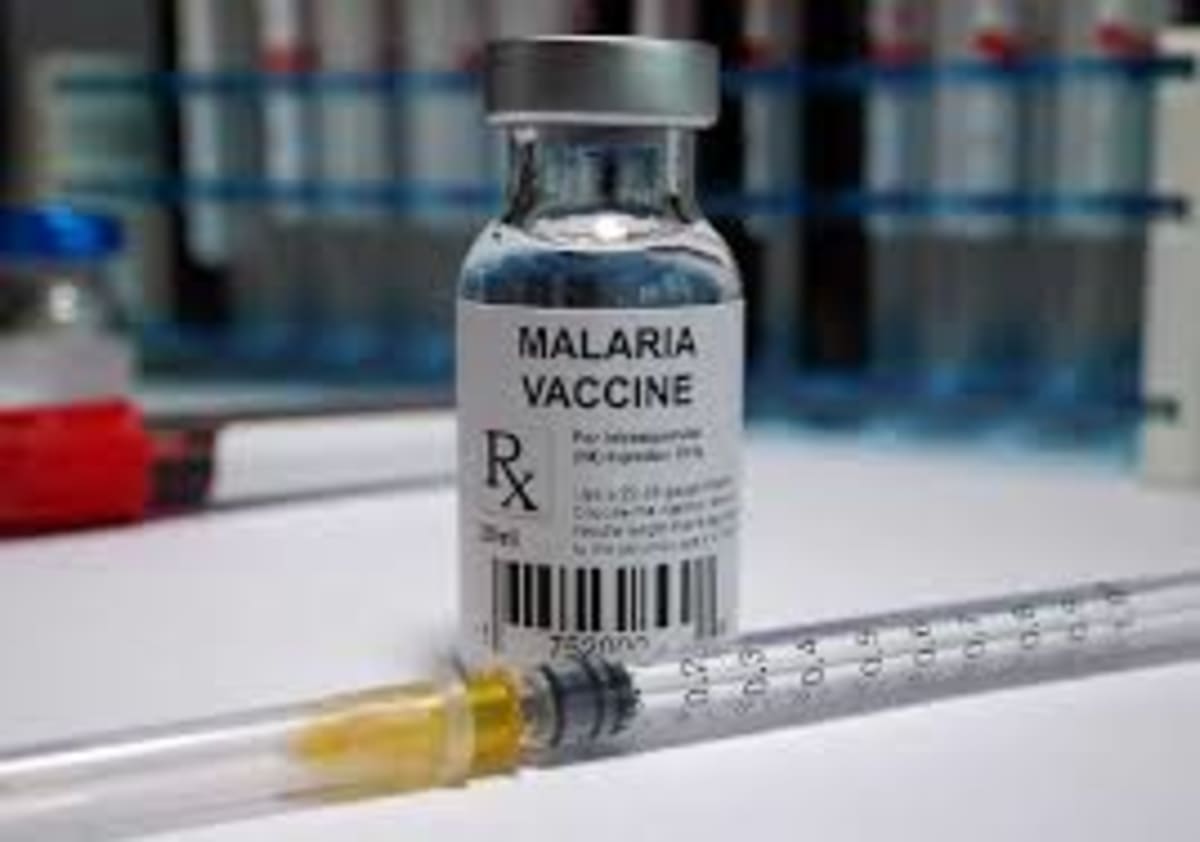
The World Health Organization has confirmed that the RTS,S malaria vaccine, tested in three African nations, prevented an estimated one in eight child deaths among vaccinated children, marking a historic milestone in the fight against a disease that claims hundreds of thousands of young lives annually.
Published in The Lancet Infectious Diseases, the study analyzed data from more than 1.7 million children who received the vaccine as part of a pilot program launched in 2019. The findings come at a critical time, as climate shifts and drug resistance threaten to widen malaria’s deadly reach across the continent.
What Happened
The RTS,S vaccine, developed by GlaxoSmithKline and branded as Mosquirix, was introduced in 2019 through the WHO’s Malaria Vaccine Implementation Programme (MVIP) in Ghana, Kenya, and Malawi. The pilot program targeted children aged 5 to 17 months, administering a four dose regimen with a booster 18 months later.
According to the WHO’s analysis, the vaccine reduced child mortality by approximately 12.5% among eligible recipients in these countries. Researchers attribute the decline to a combination of direct protection from severe malaria and indirect benefits, such as reduced strain on healthcare systems during peak transmission seasons.
Why Public Health Officials Are Concerned
Despite the vaccine’s success, malaria remains a leading cause of death among children under five in sub Saharan Africa, where 94% of global malaria fatalities occur. The WHO warns that rising temperatures and erratic rainfall patterns are expanding the habitat of Anopheles mosquitoes, the primary vectors for Plasmodium falciparum, the deadliest malaria parasite.
Compounding the challenge is the growing resistance to artemisinin based combination therapies (ACTs), the frontline treatment for malaria. In parts of Southeast Asia, resistance has already rendered ACTs less effective, raising concerns about its spread to Africa. The RTS,S vaccine offers a critical layer of defense in this evolving threat landscape.
Symptoms or Risk Factors
Malaria symptoms typically appear 10 to 15 days after an infected mosquito bite and include:
- High fever, chills, and sweating
- Severe headache and muscle aches
- Nausea, vomiting, and fatigue
- In young children, symptoms may progress rapidly to anemia, seizures, or coma if untreated
Children under five, pregnant women, and individuals with limited access to healthcare are at the highest risk of severe disease and death. The RTS,S vaccine is most effective when combined with other preventive measures, including insecticide treated bed nets and prompt diagnosis using rapid diagnostic tests.
Who May Be Affected
The vaccine’s impact is most pronounced in regions with high malaria transmission, particularly in rural and underserved communities where healthcare infrastructure is weak. In the pilot countries, the program prioritized districts with the highest burden of disease, ensuring that the most vulnerable children received protection.
As global health leaders expand the vaccine’s rollout, countries such as Nigeria, the Democratic Republic of the Congo, and Uganda, home to nearly 40% of all malaria cases, are expected to benefit significantly. The WHO estimates that scaling up the vaccine could prevent up to 5.4 million cases and 23,000 deaths annually in these high risk areas.
Government or WHO Response
The WHO has called for accelerated vaccine deployment, with a goal of vaccinating 25 million children by 2025. The initiative is supported by Gavi, the Vaccine Alliance, which has committed $155.7 million to fund vaccine procurement and delivery in eligible countries.
In addition to expanding RTS,S distribution, the WHO is advocating for the development and deployment of next generation vaccines, such as the R21/Matrix M vaccine, which has demonstrated higher efficacy in clinical trials. The organization is also urging governments to strengthen malaria surveillance systems to track resistance patterns and guide treatment strategies.
Prevention and Safety Guidance
While the RTS,S vaccine is a breakthrough, it is not a standalone solution. Public health experts recommend a layered approach to malaria prevention:
- Vaccination: Children aged 5 to 17 months should receive the four dose regimen, with the first dose administered as early as possible.
- Vector Control: Sleeping under insecticide treated bed nets and using indoor residual spraying in homes can reduce mosquito bites by up to 50%.
- Prompt Diagnosis and Treatment: Early detection using rapid diagnostic tests and treatment with ACTs remains essential for preventing severe disease.
- Community Engagement: Addressing vaccine hesitancy through education and local leadership is critical to improving uptake in hard to reach areas.
What Readers Should Know
The RTS,S vaccine represents a turning point in malaria control, but its success depends on sustained investment and equitable access. Families in malaria endemic regions should consult local health authorities to determine eligibility and vaccination schedules for their children.
For travelers to sub Saharan Africa, the vaccine is not currently recommended as a routine preventive measure, but consultation with a travel health specialist is advised for those visiting high risk areas. The WHO continues to monitor the vaccine’s performance and safety in real world settings, with updated guidance expected as new data becomes available.
Key Takeaways
- The RTS,S malaria vaccine prevented an estimated one in eight child deaths in Ghana, Kenya, and Malawi, demonstrating its life saving potential in high burden regions.
- The vaccine targets the Plasmodium falciparum parasite and is most effective when combined with bed nets, indoor spraying, and prompt treatment.
- Scaling up the vaccine’s distribution faces challenges, including supply constraints and logistical hurdles, but global health leaders are committed to overcoming these barriers.
- The WHO aims to vaccinate 25 million children by 2025, with support from Gavi and other partners, to reduce malaria mortality by 90% by 2030.
Frequently Asked Questions
How does the RTS,S vaccine work against malaria?
The RTS,S vaccine trains the immune system to recognize and attack the Plasmodium falciparum parasite before it can cause severe illness. It provides partial protection by reducing the risk of infection and severe disease, particularly in young children.
Is the RTS,S vaccine safe for children?
Yes. Clinical trials and real world data from the pilot program have shown the vaccine to be safe and well tolerated. Common side effects include pain at the injection site, fever, and irritability, which are typically mild and short lived.
Can the RTS,S vaccine eliminate malaria entirely?
No single intervention can eliminate malaria. The vaccine is a critical tool in a broader strategy that includes bed nets, indoor spraying, rapid diagnosis, and effective treatment. Combining these approaches offers the best chance to reduce transmission and save lives.
How can families in malaria endemic regions access the RTS,S vaccine?
Families should consult local health authorities to determine eligibility and vaccination schedules. The WHO’s Malaria Vaccine Implementation Programme is expanding access in high risk areas, with support from Gavi and national governments.
What are the next steps for malaria vaccine development?
The WHO is supporting the development of next generation vaccines, such as R21/Matrix M, which has shown higher efficacy in clinical trials. Additionally, researchers are exploring improved delivery systems and combination vaccines to enhance protection.
Medical Review: MedSense Editorial Board








DISCUSSION (0)
POST A COMMENT