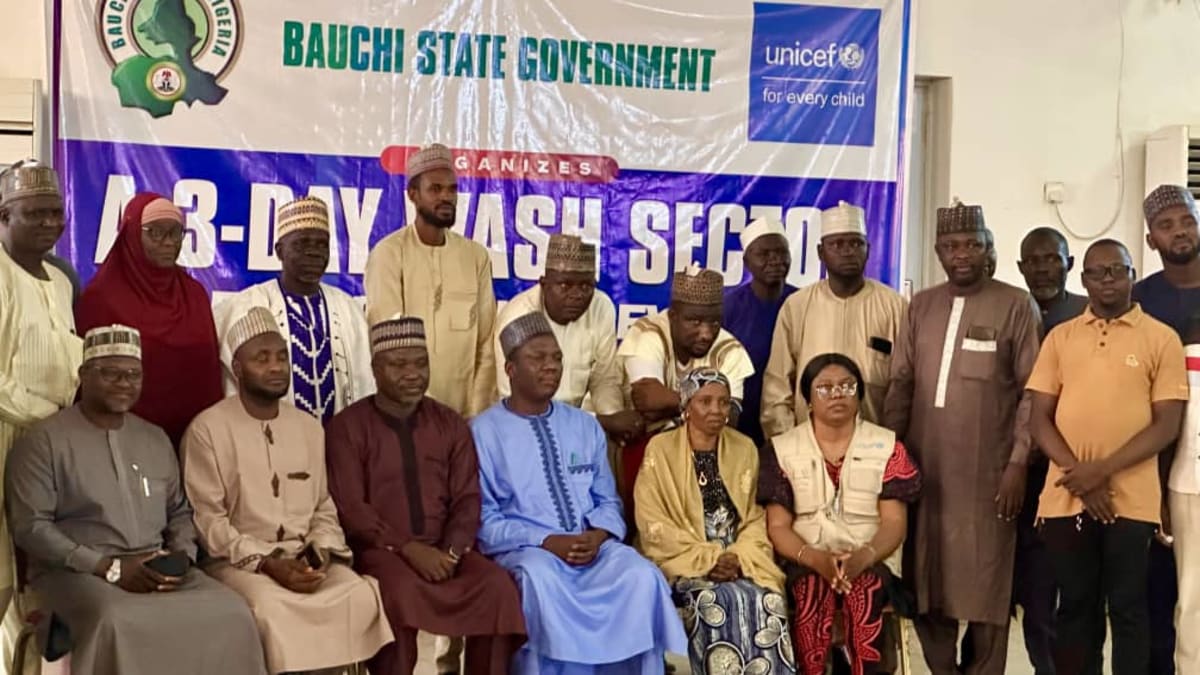
Bauchi State in northern Nigeria is advancing a controversial tax proposal designed to rescue its crumbling water, sanitation, and hygiene (WASH) infrastructure before a full blown public health emergency takes hold. The WASH tax would levy companies operating in the state to generate billions in urgently needed funds for expanding clean water access, upgrading sanitation systems, and preventing waterborne diseases.
The move comes as climate change intensifies water scarcity, urbanization strains existing systems, and decades of underfunding leave millions without reliable access to safe drinking water. With cholera and dysentery outbreaks already rising in parts of the state, officials warn that delays in funding could lead to catastrophic service failures within years.
What Happened
The proposal emerged from the 2026 Bauchi State WASH Joint Sector Review, where stakeholders presented a stark assessment of the state’s water and sanitation crisis. Current funding for WASH infrastructure falls far short of the billions required to maintain and expand services, leaving rural and urban communities alike vulnerable to contamination and disease.
Under the plan, businesses operating in Bauchi would be required to contribute a percentage of their revenue to a dedicated WASH fund. The tax is framed as a form of corporate accountability, ensuring that companies benefiting from local resources help sustain the infrastructure they rely on. If approved, the revenue would be earmarked for expanding piped water networks, upgrading sanitation facilities in schools and hospitals, and launching hygiene education campaigns.
Why Public Health Officials Are Concerned
Public health experts and WASH advocates describe the situation as a ticking time bomb. Bauchi State’s water infrastructure has deteriorated due to decades of underinvestment, while rapid population growth and climate related droughts have strained supplies. According to the World Health Organization (WHO), only 56% of people in Africa have access to safely managed drinking water, and the figure is lower in Bauchi State, where many households still rely on contaminated wells and surface water.
Health officials warn that without immediate intervention, waterborne diseases such as cholera, dysentery, and typhoid could surge, particularly during the rainy season when flooding contaminates water sources. Children and the elderly are at highest risk, as are communities in informal settlements where sanitation infrastructure is nearly nonexistent.
Symptoms or Risk Factors
While the WASH tax targets systemic funding gaps, the public health risks are already visible. Symptoms of waterborne diseases include severe diarrhea, vomiting, dehydration, and fever. In Bauchi, health facilities have reported an uptick in cases of cholera and dysentery, particularly in areas with limited access to clean water and sanitation.
Risk factors include:
- Use of contaminated water sources for drinking or cooking
- Poor sanitation and lack of handwashing facilities
- Overcrowded living conditions with inadequate waste management
- Seasonal flooding that contaminates water supplies
Who May Be Affected
The proposed tax would directly impact businesses operating in Bauchi State, including multinational corporations, local industries, and service providers. While the financial burden is expected to be proportional to revenue, critics argue that the tax could deter investment and stifle economic growth in the short term.
Indirectly, the entire population of Bauchi State, estimated at over 7 million people, stands to benefit if the tax generates the needed funding. However, the most immediate beneficiaries would be vulnerable communities in rural areas and urban slums, where access to clean water and sanitation is most limited. Schools, hospitals, and public spaces would also see upgrades to their water and sanitation facilities.
Government or WHO Response
The Bauchi State government has signaled support for the WASH tax, framing it as a necessary step to avert a humanitarian crisis. State officials have begun consultations with business leaders, civil society groups, and development partners to refine the proposal and address concerns about economic impact.
The WHO has long emphasized the link between water, sanitation, and public health, noting that every dollar invested in WASH infrastructure yields a return of up to $8 in health and economic benefits. In a 2025 report, the WHO highlighted Nigeria’s WASH funding gap as a critical barrier to achieving Sustainable Development Goal 6, which calls for universal access to clean water and sanitation by 2030.
Development partners, including UNICEF and the World Bank, have pledged technical and financial support to Bauchi State if the tax is implemented. However, they caution that the tax must be paired with transparent governance and efficient fund management to ensure resources reach the communities most in need.
Prevention and Safety Guidance
While the WASH tax aims to address systemic issues, communities can take immediate steps to reduce their risk of waterborne diseases:
- Boil or treat water: Residents should boil drinking water or use approved purification tablets to kill pathogens.
- Practice hand hygiene: Regular handwashing with soap and clean water is one of the most effective ways to prevent disease transmission.
- Use safe sanitation facilities: Avoid open defecation and ensure waste is properly disposed of to prevent contamination of water sources.
- Store water safely: Use clean containers with tight fitting lids to store water and prevent recontamination.
- Monitor for symptoms: Seek medical attention immediately if symptoms of waterborne diseases, such as severe diarrhea or vomiting, appear.
For businesses, the proposal underscores the importance of corporate social responsibility in supporting local infrastructure. Companies operating in Bauchi are encouraged to engage in dialogue with the state government to shape the tax’s implementation and explore partnerships that align with their sustainability goals.
What Readers Should Know
This proposal is not just about funding, it’s about survival. Bauchi State’s water crisis is a microcosm of a broader challenge across Africa, where climate change, rapid urbanization, and underinvestment in WASH infrastructure threaten public health and economic stability. The WASH tax could set a precedent for other states and countries grappling with similar challenges, demonstrating how innovative funding models can bridge critical gaps.
However, the success of the tax will depend on several factors: transparent governance, efficient fund management, and buy in from both the private sector and the public. Without these, the tax could fail to deliver the promised benefits, leaving communities in the same precarious position they are in today.
For now, stakeholders are urging swift action. The longer the funding gap persists, the greater the risk of a full blown public health crisis. The question is not whether Bauchi can afford to implement the WASH tax, it’s whether it can afford not to.
Key Takeaways
- Bauchi State’s proposed WASH tax aims to fund critical water and sanitation infrastructure amid a severe funding shortfall.
- Climate change, urbanization, and decades of underfunding have left millions in Bauchi without reliable access to clean water.
- Waterborne diseases such as cholera and dysentery are already rising, particularly in vulnerable communities.
- The tax would target businesses operating in Bauchi, framing corporate accountability as essential to sustaining local infrastructure.
- Public health experts warn that delays in funding could lead to catastrophic service failures within years.
- Communities can take immediate steps to reduce risk, such as boiling water, practicing hand hygiene, and using safe sanitation facilities.
Frequently Asked Questions
What is the WASH tax, and who would it affect?
The WASH tax is a proposed levy on businesses operating in Bauchi State, Nigeria, designed to generate revenue for water, sanitation, and hygiene (WASH) infrastructure. The tax would target companies of all sizes, with the revenue earmarked for expanding clean water access, upgrading sanitation facilities, and launching hygiene education campaigns.
Why is Bauchi State proposing this tax now?
Bauchi State is facing a severe funding gap in its WASH infrastructure, exacerbated by climate change, urbanization, and decades of underinvestment. Public health officials warn that without immediate intervention, waterborne diseases could surge, particularly in vulnerable communities. The tax is seen as a necessary step to avert a humanitarian crisis.
What are the potential benefits of the WASH tax?
If implemented, the tax could unlock billions in funding to expand piped water networks, upgrade sanitation facilities in schools and hospitals, and launch hygiene education campaigns. This would reduce the risk of waterborne diseases, improve public health outcomes, and enhance economic productivity by reducing illness related absenteeism.
What are the concerns about the WASH tax?
Critics argue that the tax could deter investment and stifle economic growth in the short term, particularly for small and medium sized businesses. There are also concerns about governance, including the need for transparent fund management to ensure resources reach the communities most in need.
How can communities prepare for potential water shortages?
Communities can take immediate steps to reduce their risk of waterborne diseases, such as boiling or treating drinking water, practicing regular hand hygiene, using safe sanitation facilities, and storing water in clean containers with tight fitting lids. Rainwater harvesting and water conservation techniques can also serve as stopgap measures.
What is the role of the private sector in addressing Bauchi’s water crisis?
The private sector plays a critical role in supporting local infrastructure through corporate social responsibility initiatives. Businesses operating in Bauchi are encouraged to engage in dialogue with the state government to shape the tax’s implementation and explore partnerships that align with their sustainability goals.
Medical Review: MedSense Editorial Board








DISCUSSION (0)
POST A COMMENT