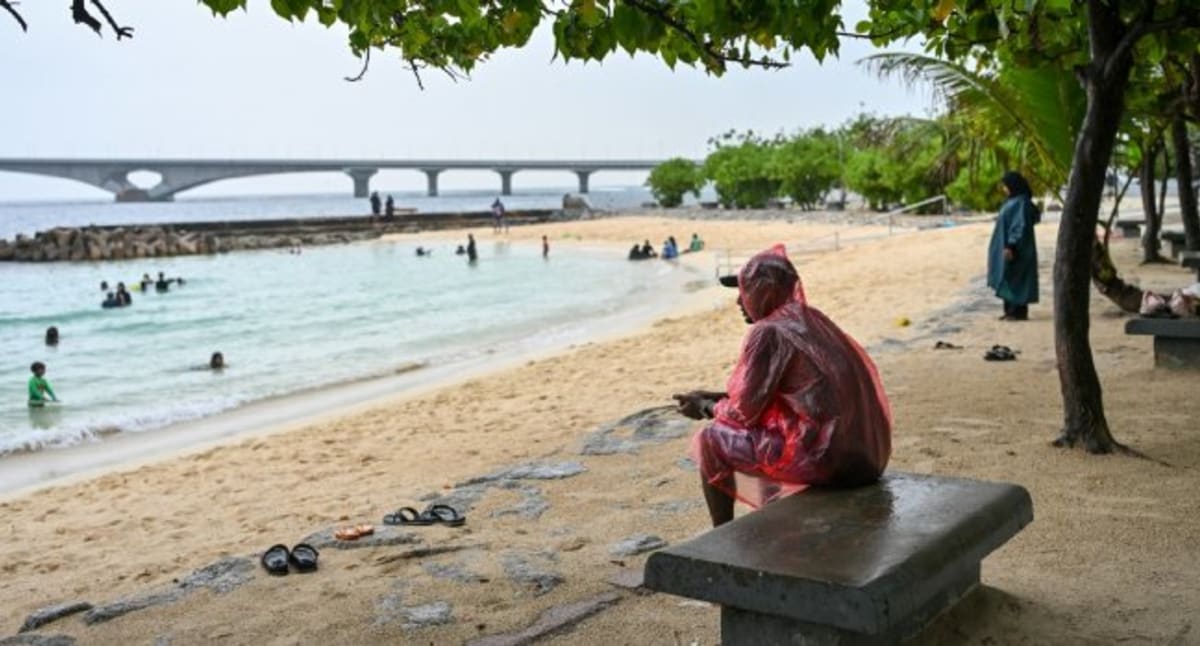
A Maldivian National Defence Force rescue diver died on Saturday after three days of searching for two Italian tourists who went missing during a dive off the coast of the Maldives. The diver, whose identity has not been released, was part of a multi agency search team combing the ocean for the tourists, who vanished on Thursday during a routine dive trip.
The tragedy has drawn international attention to the risks of underwater exploration in the Maldives, a region known for its vibrant marine ecosystems but also its unpredictable underwater conditions. The loss of the diver, a professional trained to handle emergencies, has left the nation in mourning and raised urgent questions about diving safety and emergency response protocols.
What Happened
The rescue diver, a member of the Maldivian National Defence Force, was conducting a search operation for two Italian tourists reported missing after their dive boat returned to shore without them. The tourists, whose names have not been disclosed, were part of a larger group on a guided dive excursion when they disappeared underwater. The search involved military personnel, coast guard teams, and local dive operators, but the diver’s death has halted further operations.
Why Public Health Officials Are Concerned
The incident has exposed critical gaps in emergency response and diving safety protocols in the Maldives. Public health officials and diving safety experts emphasize that the death of a rescue diver during a search operation is rare and signals systemic failures in preparedness. The Maldives, a top global diving destination, attracts thousands of tourists annually, many of whom are inexperienced divers. The tragedy underscores the need for stricter regulations, improved training for dive operators, and better coordination among emergency responders.
According to the Maldives Marine Research Institute, the region’s underwater terrain features sudden drop offs, strong currents, and limited visibility, all of which increase the risk of accidents. The loss of the rescue diver highlights the extreme dangers faced by emergency responders who risk their lives to save others.
Symptoms or Risk Factors
While diving itself does not present symptoms, the risks associated with underwater exploration include:
- Strong currents that can disorient or separate divers from their groups.
- Sudden changes in weather or underwater conditions, such as reduced visibility or temperature drops.
- Equipment failure, including malfunctioning breathing apparatus or buoyancy control devices.
- Encounters with marine life, such as sharks or jellyfish, which can lead to injuries or panic.
Who May Be Affected
The incident has far reaching implications for several groups:
- Tourists: The Maldives is a premier diving destination, attracting divers of all experience levels. The tragedy serves as a stark reminder of the risks involved, particularly for those unfamiliar with local conditions.
- Dive Operators: Local dive operators are under scrutiny for their safety protocols and emergency response plans. Many are now reviewing their training programs and equipment standards.
- Emergency Responders: Rescue divers and coast guard personnel face heightened risks when conducting search operations. The death of the Maldivian diver has prompted calls for better protective gear and support systems for responders.
- Local Communities: The tourism dependent economy of the Maldives relies heavily on safe diving experiences. The incident could deter future visitors and impact livelihoods.
Government or WHO Response
The Maldivian government has launched an investigation into the incident, focusing on the circumstances surrounding the diver’s death and the search operation. The Italian embassy has offered condolences to the diver’s family and is collaborating with local authorities to support the search for the missing tourists. The incident has also prompted discussions about international cooperation in diving safety and emergency response.
The World Health Organization has not issued a formal statement but has previously highlighted the importance of water safety and drowning prevention in regions with high tourism. The organization recommends that countries with popular diving destinations implement strict safety regulations and provide public education on risk mitigation.
Prevention and Safety Guidance
In light of the tragedy, diving safety experts are urging tourists and operators to prioritize safety. Key recommendations include:
- Dive with a Certified Buddy: Never dive alone. Always ensure you are accompanied by a certified dive partner and that your dive plan is registered with a local operator.
- Check Local Conditions: Before every dive, verify weather forecasts, current conditions, and underwater terrain. Strong currents and sudden weather changes can turn a routine dive into a life threatening situation.
- Use Proper Equipment: Ensure your gear is inspected and maintained by professionals. Faulty equipment, such as regulators or buoyancy control devices, can lead to fatal accidents.
- Stay Within Your Limits: Know your diving certification level and never exceed it. Pushing beyond your experience can have deadly consequences, particularly in challenging environments like the Maldives.
- Carry Emergency Tools: Always bring a surface marker buoy (SMB) and a whistle. These tools can help rescuers locate you quickly in case of separation from your group.
- Choose Reputable Operators: Select dive operators with strong safety records and certified instructors. Ask about their emergency response plans and equipment maintenance protocols.
What Readers Should Know
The death of the Maldivian rescue diver is a tragic reminder of the risks associated with diving, particularly in regions with complex underwater environments. While the Maldives offers some of the world’s most breathtaking dive sites, its beauty is matched by its dangers. The incident has prompted calls for systemic changes in diving safety, including stricter regulations, improved training, and better emergency response coordination.
For tourists planning to dive in the Maldives or other high risk regions, the message is clear: prioritize safety above all else. Diving is an unforgettable experience, but it is not without risk. By adhering to safety protocols and choosing reputable operators, divers can significantly reduce the likelihood of accidents.
The search for the missing Italian tourists continues, but the focus has shifted to preventing future tragedies. The Maldives, and the global diving community, must take this moment to implement meaningful changes that protect both divers and the professionals who risk their lives to save them.
Key Takeaways
- The death of a Maldivian rescue diver during a search for missing Italian tourists highlights critical gaps in diving safety and emergency response protocols.
- The Maldives’ underwater terrain, including strong currents and sudden drop offs, poses significant risks to divers, particularly those with limited experience.
- Tourists and dive operators must prioritize safety by adhering to strict protocols, using proper equipment, and staying within certified limits.
- The incident has prompted calls for systemic changes, including stricter regulations, improved training, and better coordination among emergency responders.
- Divers should never underestimate the risks of underwater exploration and must take personal responsibility for their safety.
Frequently Asked Questions
What caused the Maldivian rescue diver to die during the search?
The exact cause of the diver’s death has not been disclosed by Maldivian authorities. The incident is under investigation, with officials reviewing the circumstances surrounding the search operation and the diver’s role in it.
Are there any restrictions on diving in the Maldives following this incident?
As of now, there are no official restrictions on diving in the Maldives. However, local authorities and dive operators are reviewing safety protocols and may implement stricter guidelines in the coming weeks.
What should tourists do if they plan to dive in the Maldives after this tragedy?
Tourists should choose reputable dive operators with strong safety records, ensure their equipment is properly maintained, and adhere to all safety guidelines. They should also verify local conditions, including weather and currents, before every dive.
How can dive operators improve safety to prevent future tragedies?
Dive operators can enhance safety by implementing rigorous training programs for staff, maintaining equipment regularly, and developing clear emergency response plans. They should also ensure that all divers, regardless of experience level, are briefed on local risks and safety protocols.
What role does the Italian government play in this incident?
The Italian embassy has expressed condolences to the family of the fallen diver and is coordinating with Maldivian authorities to support the search for the missing tourists. The embassy is also likely to provide consular assistance to the families of the missing Italians.
Medical Review: MedSense Editorial Board

















DISCUSSION (0)
POST A COMMENT