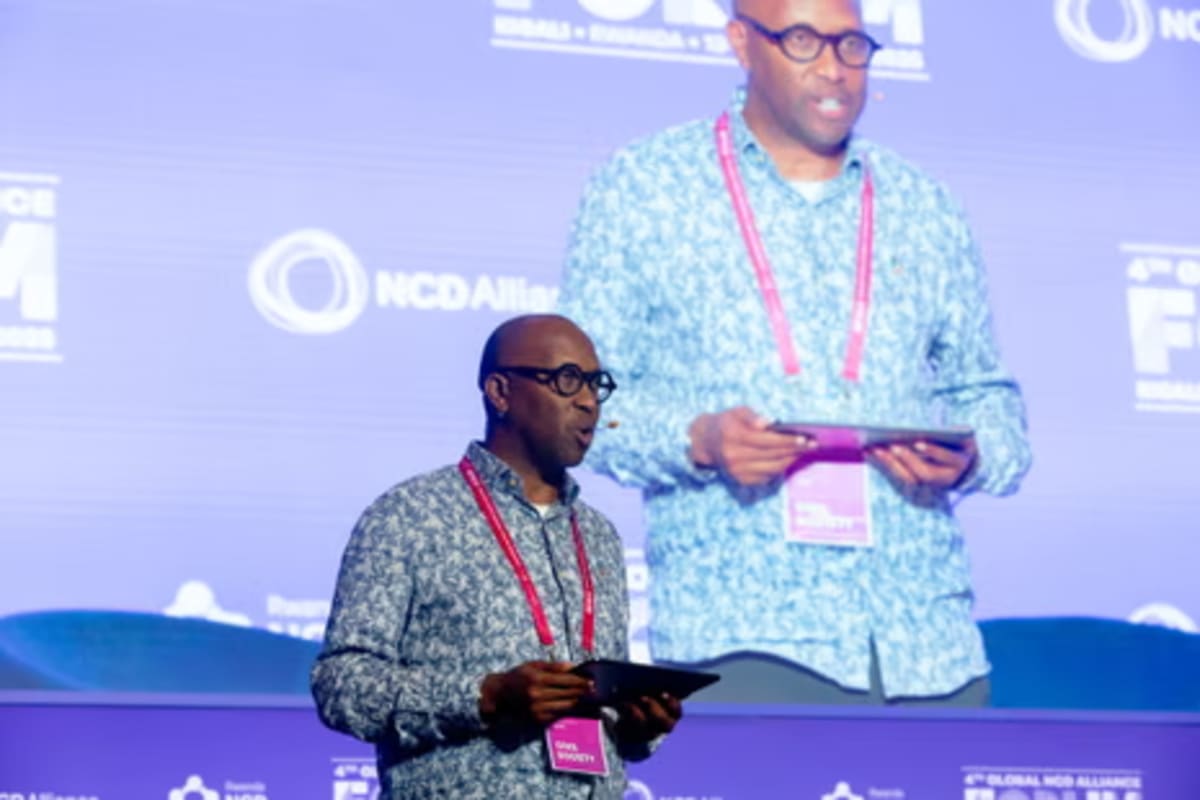
Vietnam’s healthcare system has undergone a quiet revolution in recent years, shifting from a model plagued by disparities to one that prioritizes community driven research and equitable access. Now, a leading global health expert is urging African nations to follow suit, warning that without urgent action, preventable diseases will continue to claim lives and erode trust in medical institutions.
Thu Anh Nguyen, Director of the University of Sydney Vietnam Institute (SVI) and Professor of Global Health at the University of Sydney, Australia, has spent years studying Vietnam’s healthcare transformation. Her findings suggest that Africa, where healthcare disparities mirror Vietnam’s past struggles, could benefit from adopting a similar approach.
What Happened
Vietnam’s healthcare system faced significant challenges in the late 20th century, including chronic underfunding, geographic barriers isolating rural populations, and widespread distrust in medical institutions. In response, policymakers and researchers prioritized community driven interventions, investing in primary healthcare and mobile health units to bridge the urban rural divide. The result was a gradual but measurable improvement in health outcomes, particularly in underserved communities.
Why Public Health Officials Are Concerned
Despite progress, Vietnam’s healthcare gains remain fragile. Sustained investment and political will are critical to preventing reversals, particularly as new health threats emerge. For Africa, the stakes are even higher. The continent faces a triple threat: chronic underfunding of primary healthcare systems, geographic barriers that isolate rural populations from essential services, and deep seated distrust in medical institutions fueled by historical neglect and misinformation. Nguyen’s research suggests that without immediate action, these challenges will continue to undermine public health efforts.
Symptoms or Risk Factors
The consequences of inaction are already visible. Preventable diseases continue to spread in underserved communities, straining fragile healthcare systems. Distrust in medical institutions has led to vaccine hesitancy and low uptake of essential services, further exacerbating health disparities. Economic tolls are also mounting, with lost productivity and skyrocketing treatment costs crippling nations for generations.
Who May Be Affected
Vulnerable populations in Africa, particularly those in rural and remote areas, are most at risk. Chronic underfunding of primary healthcare systems disproportionately affects low income communities, while geographic barriers prevent access to essential services. Distrust in medical institutions, fueled by historical neglect and misinformation, further marginalizes these groups, leaving them vulnerable to preventable diseases and exploitation.
Government or WHO Response
International health organizations, including the World Health Organization (WHO), have emphasized the need for equitable healthcare financing and community driven interventions. The WHO’s Global Strategy on Human Resources for Health 2030 highlights the importance of investing in primary healthcare and leveraging technology to extend specialist care to remote areas. Nguyen’s work aligns with these recommendations, offering a practical blueprint for governments and policymakers.
Prevention and Safety Guidance
Nguyen’s approach provides a roadmap for addressing Africa’s healthcare challenges. Key strategies include:
- Community led research: Health interventions must be designed with, not for, the communities they serve. Engage local leaders and patients in every stage of research and implementation to ensure relevance and trust.
- Investment in primary healthcare: Redirect resources to rural clinics and mobile health units to bridge the urban rural divide. Every dollar spent here saves lives and reduces long term costs.
- Transparency and trust building: Combat misinformation by involving communities in health education campaigns. Use local languages and trusted messengers to disseminate accurate information.
- Policy reform: Push for legislation that prioritizes equitable healthcare financing. Ensure that health budgets reach the frontlines, not just bureaucratic offices.
- Technology adoption: Deploy telemedicine and digital health tools to extend specialist care to remote areas. Nguyen’s work proves that innovation is not a luxury, it’s a necessity.
What Readers Should Know
Health equity is not a distant goal, it is a present day imperative. Vietnam’s success demonstrates that preventable diseases can be tackled where they thrive most: in the heart of underserved communities. For Africa, the blueprint exists. The question is whether governments and global partners will act with urgency to scale these innovations and ensure that no community is left behind.
Key Takeaways
- Vietnam’s healthcare transformation offers a blueprint for Africa to address chronic underfunding, geographic barriers, and distrust in medical institutions.
- Community driven research and equitable access are critical to improving health outcomes in underserved populations.
- Sustained investment in primary healthcare and mobile health units can bridge the urban rural divide and save lives.
- Transparency and trust building are essential to combating misinformation and vaccine hesitancy.
- Technology adoption, such as telemedicine, can extend specialist care to remote areas and reduce long term healthcare costs.
Frequently Asked Questions
What specific strategies did Vietnam use to improve healthcare equity?
Vietnam prioritized community driven research, invested in primary healthcare and mobile health units, and engaged local leaders and patients in every stage of health intervention design and implementation.
How can African nations replicate Vietnam’s healthcare model?
African nations can replicate Vietnam’s model by investing in primary healthcare, leveraging technology to extend specialist care, engaging communities in health education campaigns, and advocating for policy reforms that prioritize equitable healthcare financing.
What are the biggest barriers to healthcare equity in Africa?
The biggest barriers include chronic underfunding of primary healthcare systems, geographic barriers isolating rural populations, and deep seated distrust in medical institutions fueled by historical neglect and misinformation.
How can technology improve healthcare access in remote areas?
Technology such as telemedicine and digital health tools can extend specialist care to remote areas, reduce travel time for patients, and improve the efficiency of healthcare delivery.
What role do policymakers play in achieving health equity?
Policymakers play a critical role by prioritizing equitable healthcare financing, ensuring health budgets reach the frontlines, and advocating for legislation that supports community driven interventions.
Medical Review: MedSense Editorial Board








DISCUSSION (0)
POST A COMMENT