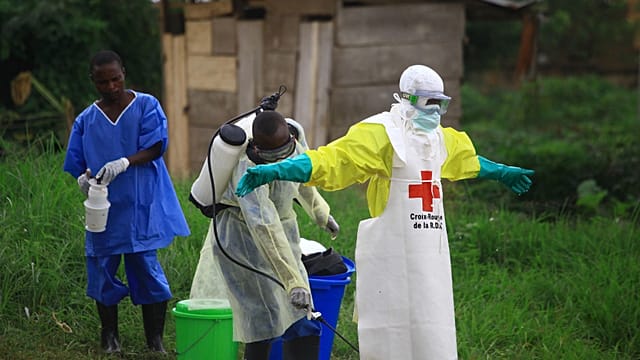
The Democratic Republic of Congo’s Ministry of Health has confirmed a sharp rise in Ebola cases in Ituri province, with 246 suspected infections and 80 deaths reported as of this week. The outbreak, now classified as a public health emergency, has prompted urgent mobilization by national and international health teams amid growing concerns over transmission risks in a region already strained by conflict and limited healthcare access.
What Happened
Health officials in DR Congo declared a public health emergency following a surge in Ebola cases in Ituri province, a region grappling with decades of instability. The outbreak has expanded across multiple health zones, with confirmed and suspected cases now reported in areas previously untouched by the virus. Local clinics, already operating at reduced capacity, are struggling to manage the influx of patients while implementing isolation protocols.
Why Public Health Officials Are Concerned
Public health experts cite several factors amplifying the risk of uncontrolled spread. The virus’s rapid movement into new health zones increases the likelihood of further transmission, particularly in areas with weak surveillance systems. Healthcare facilities in Ituri lack sufficient personal protective equipment, isolation units, and trained staff to handle a large scale outbreak. Meanwhile, misinformation and distrust in health services have led some communities to reject vaccination campaigns and contact tracing efforts, creating gaps in containment.
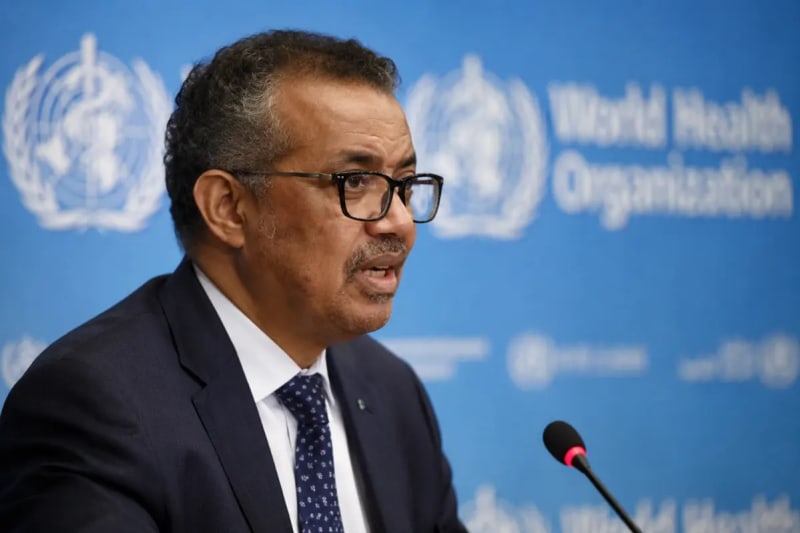
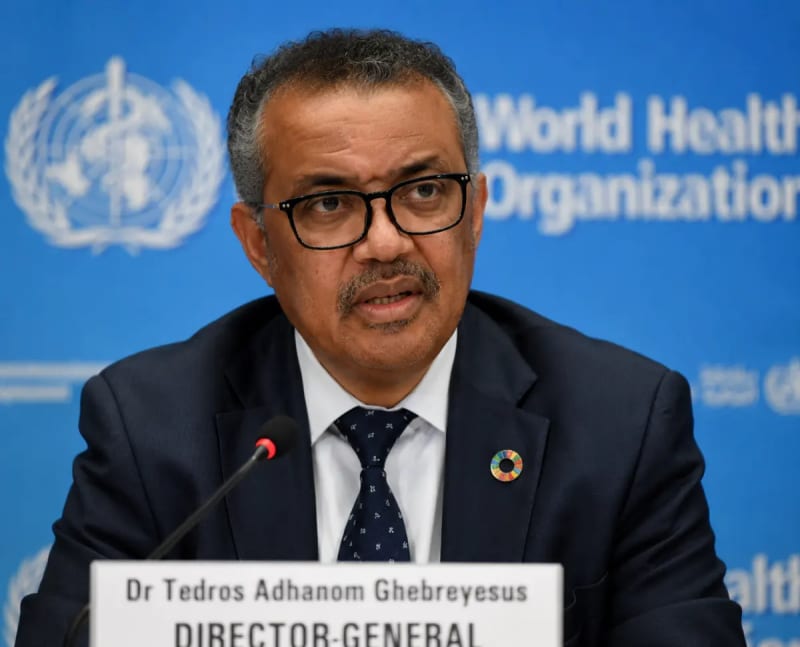
The proximity to neighboring countries, including Uganda and South Sudan, raises the specter of cross border spread, a scenario that could escalate the crisis into a regional public health threat. The World Health Organization has warned that without accelerated intervention, the outbreak could mirror past Ebola emergencies that claimed thousands of lives.
Symptoms or Risk Factors
Ebola symptoms typically emerge 2 to 21 days after exposure and include sudden fever, severe headache, muscle pain, and extreme fatigue. As the disease progresses, patients may experience vomiting, diarrhea, and unexplained bleeding or bruising. Transmission occurs through direct contact with the blood, bodily fluids, or contaminated materials from infected individuals or animals. Healthcare workers and family members caring for patients are at heightened risk due to close contact with infectious materials.
Who May Be Affected
Residents of Ituri province, particularly those in rural and conflict affected areas, face the highest risk of exposure. Healthcare workers, traditional healers, and individuals involved in burial practices are also vulnerable due to their frequent contact with bodily fluids. Travelers to the region, aid workers, and journalists operating in high risk zones should adhere to strict biosafety protocols to minimize exposure.
Government or WHO Response
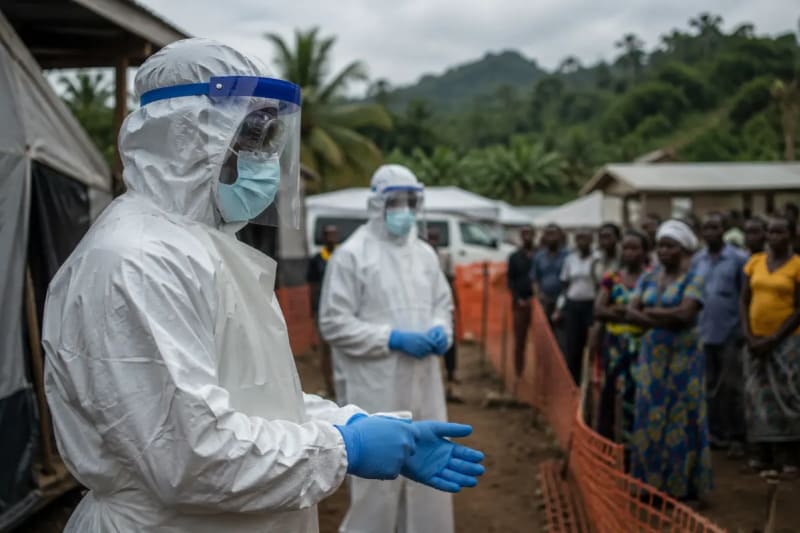
The DR Congo government, in collaboration with the World Health Organization and international partners, has deployed rapid response teams to affected areas. Efforts include expanding testing capacity, distributing personal protective equipment, and accelerating vaccination campaigns using approved Ebola vaccines. The government has also reinforced border surveillance to prevent cross border transmission, while community engagement teams work to rebuild trust and counter misinformation.
The WHO has classified the outbreak as a Grade 2 emergency, triggering additional resources and coordination with global health partners. Médecins Sans Frontières (MSF) and the International Federation of Red Cross and Red Crescent Societies (IFRC) are among the organizations providing on the ground support, including patient care and logistical assistance.
Prevention and Safety Guidance
Public health authorities recommend several measures to reduce infection risk. Avoiding contact with symptomatic individuals and deceased patients is critical, as is practicing rigorous hand hygiene with soap and water or alcohol based sanitizers. Travelers to affected regions should refrain from visiting healthcare facilities unless necessary and avoid contact with wildlife, which can serve as a reservoir for the virus.
For healthcare workers, adherence to standard infection prevention and control protocols is essential. This includes wearing appropriate personal protective equipment, isolating suspected cases, and safely handling and disposing of contaminated materials. Communities are urged to cooperate with health teams, report symptoms promptly, and participate in vaccination and contact tracing efforts.
What Readers Should Know
While Ebola outbreaks are concerning, advances in medical countermeasures have improved response capabilities. Vaccines and experimental treatments have been deployed in past outbreaks, contributing to lower mortality rates when used early. However, the effectiveness of these tools depends on rapid detection, community trust, and sustained international support.
Readers should monitor updates from credible sources such as the DR Congo Ministry of Health and the WHO, which provide real time data on case counts and response efforts. Avoid sharing unverified information, as misinformation can undermine containment strategies. For those in or traveling to DR Congo, registering with local health authorities and following their guidance is strongly advised.
Key Takeaways
- Ebola cases in DR Congo’s Ituri province have surged to 246 suspected infections with 80 deaths, prompting a public health emergency response.
- Healthcare infrastructure in the region is overwhelmed, with remote locations, limited resources, and community resistance complicating containment efforts.
- Symptoms include sudden fever, severe headache, muscle pain, vomiting, diarrhea, and unexplained bleeding, typically appearing 2 to 21 days after exposure.
- Transmission occurs through direct contact with bodily fluids from infected individuals or animals, putting healthcare workers and caregivers at high risk.
- Prevention relies on hand hygiene, avoiding contact with symptomatic individuals, and cooperating with vaccination and contact tracing efforts.
Frequently Asked Questions
How is Ebola transmitted?
Ebola spreads through direct contact with the blood, bodily fluids, or contaminated materials from infected individuals or animals. This includes contact with vomit, diarrhea, or other secretions. The virus is not airborne and does not spread through casual contact.
What are the early signs of Ebola?
Early symptoms typically include sudden fever, severe headache, muscle pain, and extreme fatigue. As the disease progresses, patients may develop vomiting, diarrhea, and unexplained bleeding or bruising.
Are there treatments or vaccines available for Ebola?
Yes, several vaccines have been approved for use in outbreaks, including the rVSV ZEBOV vaccine. Experimental treatments, such as monoclonal antibodies, have also been used in some cases. Early detection and treatment significantly improve survival rates.
What should travelers do to stay safe in affected regions?
Travelers should avoid contact with symptomatic individuals and deceased patients. Practicing rigorous hand hygiene and avoiding contact with wildlife are critical. Registering with local health authorities and following their guidance is strongly recommended.
How can communities help contain the outbreak?
Communities can support containment efforts by cooperating with health teams, reporting symptoms promptly, and participating in vaccination and contact tracing programs. Avoiding misinformation and trusting verified health guidance are essential.
Medical Review: MedSense Editorial Board











DISCUSSION (0)
POST A COMMENT