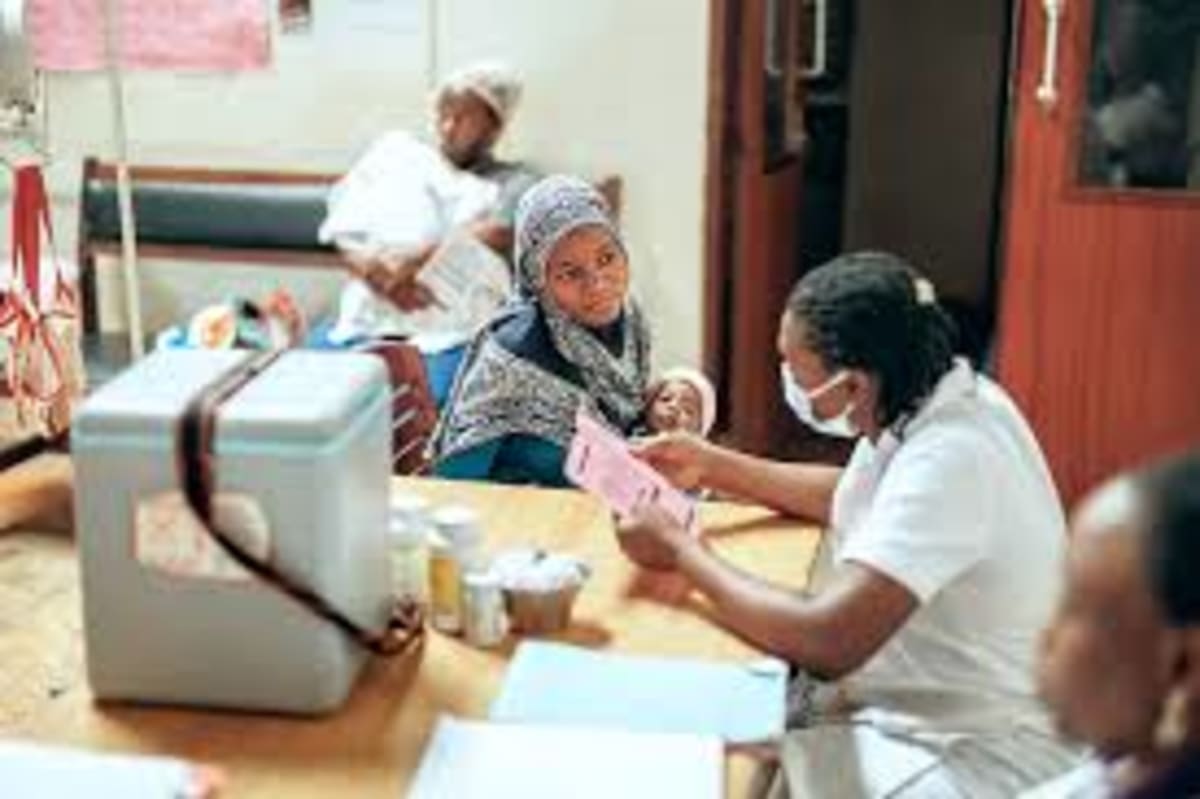
For the first time, researchers have mapped the real world effectiveness of Gavi, the Vaccine Alliance’s vaccine investments across 117 low and middle income countries, exposing significant disparities in health outcomes tied to how limited immunization funds are deployed.
The study, published today in The Lancet Global Health, introduces a new metric, vaccine impact ratios, to measure the relative benefits of different vaccines in preventing disease, disability, and death. These ratios provide policymakers with critical evidence to optimize national immunization budgets amid rising vaccine costs and tightening funding constraints.
What Happened
Researchers analyzed the impact of Gavi supported vaccines in 117 countries, using advanced modelling to calculate vaccine impact ratios. These ratios compare the health benefits of different vaccines, offering a data driven framework to assess which immunizations deliver the greatest return on investment in terms of lives saved and disabilities prevented.
Why Public Health Officials Are Concerned
The findings reveal stark disparities in vaccine effectiveness across regions, raising concerns about potential misallocation of resources. Countries with constrained budgets may be prioritizing vaccines that offer marginal benefits while overlooking those that could save thousands of lives. Without transparent, comparable data, policymakers risk making decisions that fail to maximize public health impact.
According to the study’s authors, the vaccine impact ratios provide a roadmap for survival, but only if governments and global health organizations act on the evidence.
Symptoms or Risk Factors
While the study does not focus on individual symptoms, it highlights systemic risks tied to vaccine misallocation, including:
- Increased vulnerability to preventable diseases such as measles, pneumonia, and cervical cancer.
- Wasted financial resources that could have immunized thousands more children.
- Deepening health inequities, particularly in low resource settings where the burden of vaccine preventable diseases remains high.
Who May Be Affected
The disparities identified in the study disproportionately affect:
- Children and adolescents in low and middle income countries, who rely heavily on Gavi supported vaccines for protection against preventable diseases.
- Governments and health systems struggling to balance immunization budgets with competing public health priorities.
- Global health advocates and organizations working to reduce vaccine preventable deaths and disabilities worldwide.
Government or WHO Response
Gavi, the Vaccine Alliance, has not yet publicly responded to the study’s findings. However, the organization has previously emphasized the importance of data driven decision making in vaccine allocation. The World Health Organization (WHO) has long advocated for equitable access to vaccines and the use of evidence based strategies to maximize health outcomes.
Public health experts are calling for greater transparency in vaccine impact data at the subregional level, urging governments to prioritize high impact vaccines and hold global health organizations accountable for measurable results.
Prevention and Safety Guidance
To address the disparities revealed in the study, public health officials recommend the following steps:
- Demand transparency: Advocate for open access to vaccine impact data to ensure policymakers have the information needed to make informed decisions.
- Prioritize high impact vaccines: Use the study’s vaccine impact ratios to guide national immunization strategies, redirecting funds from low impact vaccines to those that deliver the greatest health gains.
- Strengthen surveillance: Enhance disease surveillance systems to monitor the real world effectiveness of vaccines and identify gaps in coverage.
- Engage communities: Share findings with local leaders and health workers to raise awareness and promote vaccine confidence.
What Readers Should Know
This study underscores the critical role of data in shaping global health funding decisions. For governments, health officials, and global health advocates, the vaccine impact ratios provide a powerful tool to optimize immunization budgets and save lives. However, the findings also highlight the urgent need for greater transparency, accountability, and collaboration to ensure that every dollar spent translates into measurable health outcomes.
Without action, the consequences could include preventable outbreaks, wasted resources, and deepening health inequities across regions.
Key Takeaways
- A first of its kind study quantifies the real world impact of Gavi supported vaccines across 117 countries, revealing significant disparities in health outcomes tied to vaccine allocation.
- The study introduces vaccine impact ratios, a new metric to measure the relative benefits of different vaccines in preventing disease, disability, and death.
- Policymakers are urged to use the study’s findings to prioritize high impact vaccines and optimize national immunization budgets.
- Greater transparency in vaccine impact data is needed to ensure informed decision making and maximize public health outcomes.
- The findings highlight the risks of vaccine misallocation, including preventable outbreaks, wasted resources, and deepening health inequities.
Frequently Asked Questions
What are vaccine impact ratios, and how are they calculated?
Vaccine impact ratios are a new metric introduced in the study to measure the relative health benefits of different vaccines in preventing disease, disability, and death. The ratios are calculated using advanced modelling techniques that compare the effectiveness of vaccines across 117 countries, providing a data driven framework for policymakers to assess which immunizations deliver the greatest return on investment.
How can governments use the study’s findings to improve vaccine allocation?
Governments can use the vaccine impact ratios to prioritize high impact vaccines in their national immunization strategies, redirecting funds from low impact vaccines to those that deliver the greatest health gains. The study also calls for greater transparency in vaccine impact data to ensure policymakers have the information needed to make informed decisions.
What are the risks of vaccine misallocation?
Vaccine misallocation can lead to preventable outbreaks of diseases such as measles, pneumonia, and cervical cancer, as well as wasted financial resources that could have immunized thousands more children. Additionally, it can deepen health inequities, particularly in low resource settings where the burden of vaccine preventable diseases remains high.
How can communities be engaged in addressing vaccine disparities?
Communities can be engaged by sharing the study’s findings with local leaders and health workers to raise awareness and promote vaccine confidence. Advocating for open access to vaccine impact data and demanding accountability from global health organizations are also critical steps.
What is Gavi, the Vaccine Alliance, and what role does it play in global immunization?
Gavi, the Vaccine Alliance, is a public private partnership that aims to increase access to immunization in low and middle income countries. The organization provides funding and support for vaccines, including those against diseases such as measles, pneumonia, and cervical cancer, to help countries strengthen their immunization programs and save lives.
Medical Review: MedSense Editorial Board








DISCUSSION (0)
POST A COMMENT