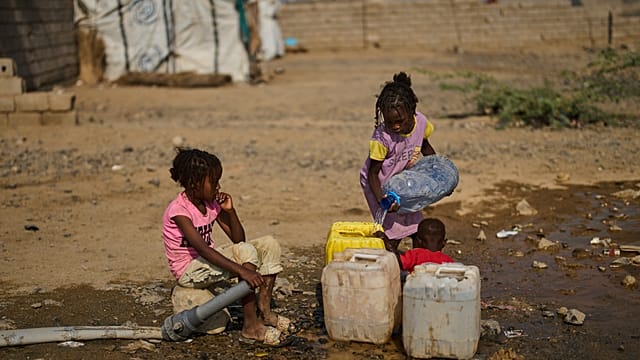
The Integrated Food Security Phase Classification (IPC) has issued a dire assessment: 19.5 million Sudanese, or nearly 40% of the population, are now experiencing acute food insecurity. This marks a sharp escalation in a crisis that has left millions teetering on the brink of starvation, malnutrition, and preventable disease.
What Happened
The IPC’s latest analysis reveals a humanitarian catastrophe unfolding across Sudan. Years of protracted conflict, economic instability, and environmental disasters have converged to cripple the country’s food systems. Displacement, collapsed supply chains, and hyperinflation have made basic necessities unaffordable for millions, while climate related shocks such as floods and droughts have further destabilized agriculture.
Why Public Health Officials Are Concerned
Public health experts warn that the crisis extends far beyond hunger. Severe acute malnutrition among children under five is rising sharply, with 3.5 million children at risk of life threatening complications. Pregnant women face anemia and complications, while the elderly and disabled are increasingly vulnerable to neglect. The World Health Organization (WHO) has reported that only 30% of Sudan’s hospitals remain fully operational, leaving healthcare systems overwhelmed and under resourced.
Disease outbreaks, including cholera and measles, are spreading rapidly due to weakened sanitation and immunization systems. The combination of malnutrition and preventable illnesses is creating a deadly cycle, particularly for the most vulnerable populations.
Symptoms or Risk Factors
Acute food insecurity manifests in several critical ways:
- Severe malnutrition in children under five, leading to stunted growth and weakened immunity.
- Increased maternal and infant mortality due to anemia and complications during childbirth.
- Rising rates of infectious diseases, including cholera, measles, and malaria, driven by poor sanitation and disrupted healthcare services.
- Economic collapse, rendering salaries worthless and making food unaffordable even for working families.
Who May Be Affected
The crisis disproportionately impacts:
- Children under five, who are at highest risk of severe acute malnutrition.
- Pregnant and breastfeeding women, who face heightened nutritional and health risks.
- Elderly and disabled individuals, who often lack access to food distribution networks.
- Farmers and rural communities, whose livelihoods have been destroyed by conflict and climate shocks.
- Healthcare workers, who are operating with minimal resources and no pay in facilities on the brink of collapse.
Government or WHO Response
The Sudanese government, alongside international partners, has struggled to address the crisis amid ongoing conflict and logistical challenges. The WHO has called for urgent funding to support healthcare systems, while the World Food Programme (WFP) has warned that without immediate intervention, the situation will deteriorate further.
Humanitarian organizations are working to deliver emergency food aid and medical supplies, but access remains severely restricted due to insecurity and bureaucratic hurdles. Donor fatigue and competing global crises have further limited the flow of international aid.
Prevention and Safety Guidance
For communities and individuals seeking to support relief efforts, the following actions are recommended:
- Donate to verified humanitarian organizations:
- World Food Programme (WFP): Provides emergency food assistance and nutrition programs. Donate here.
- Doctors Without Borders (MSF): Delivers critical medical care in conflict zones. Donate here.
- UNICEF: Focuses on nutrition for children and mothers. Donate here.
- Advocate for policy change: Contact government representatives to urge prioritization of Sudan in foreign aid budgets and diplomatic efforts.
- Raise awareness: Share verified information on social media to maintain international pressure on decision makers. Use hashtags like #SaveSudan and #FoodCrisis.
- Support local initiatives: If connected to grassroots organizations in Sudan, consider contributing to efforts that distribute food and medical supplies directly.
What Readers Should Know
This is not just a food crisis, it is a man made catastrophe fueled by conflict, economic mismanagement, and global neglect. The international community’s inconsistent response has turned a preventable disaster into a full blown humanitarian emergency. Without immediate, coordinated action, the consequences will be irreversible.
For those in Sudan, the situation demands urgent attention from policymakers, aid organizations, and global leaders. For the rest of the world, the crisis serves as a stark reminder of the human cost of inaction in the face of preventable suffering.
Key Takeaways
- Nearly 40% of Sudan’s population is facing acute food insecurity, with 19.5 million people at risk of starvation and malnutrition.
- The crisis is driven by years of conflict, economic collapse, and climate shocks, which have destroyed food systems and healthcare infrastructure.
- Children under five, pregnant women, and the elderly are among the most vulnerable to severe malnutrition and disease.
- Only 30% of Sudan’s hospitals remain fully operational, exacerbating the spread of infectious diseases like cholera and measles.
- Immediate humanitarian aid and diplomatic intervention are critical to preventing further loss of life and long term damage.
Frequently Asked Questions
What is acute food insecurity?
Acute food insecurity refers to a situation where people face a severe lack of food, leading to malnutrition and increased risk of disease. It is measured using the Integrated Food Security Phase Classification (IPC) system, which assesses the severity of food insecurity based on factors like food consumption, malnutrition rates, and mortality.
How can I verify that my donations are reaching those in need?
Donate only to reputable organizations with transparent reporting and a proven track record in humanitarian aid. Organizations like the World Food Programme, Doctors Without Borders, and UNICEF provide detailed updates on their operations and financial transparency on their websites.
What role does conflict play in Sudan’s food crisis?
Conflict has devastated Sudan’s agricultural sector by displacing farmers, destroying crops, and blocking humanitarian aid. Armed groups have frequently disrupted food supply chains, while insecurity has made it difficult for aid organizations to deliver assistance safely.
How does climate change contribute to the crisis?
Climate shocks such as floods and droughts have severely impacted Sudan’s food production. Floods in 2020 and 2022 destroyed crops and infrastructure, while prolonged droughts have reduced water availability for drinking and irrigation, further straining food systems.
What are the long term consequences of this crisis?
If unaddressed, the crisis could lead to long term health consequences, including stunted growth in children, increased maternal and infant mortality, and the collapse of healthcare systems. It may also exacerbate poverty and displacement, creating a cycle of vulnerability for future generations.
Medical Review: MedSense Editorial Board








DISCUSSION (0)
POST A COMMENT