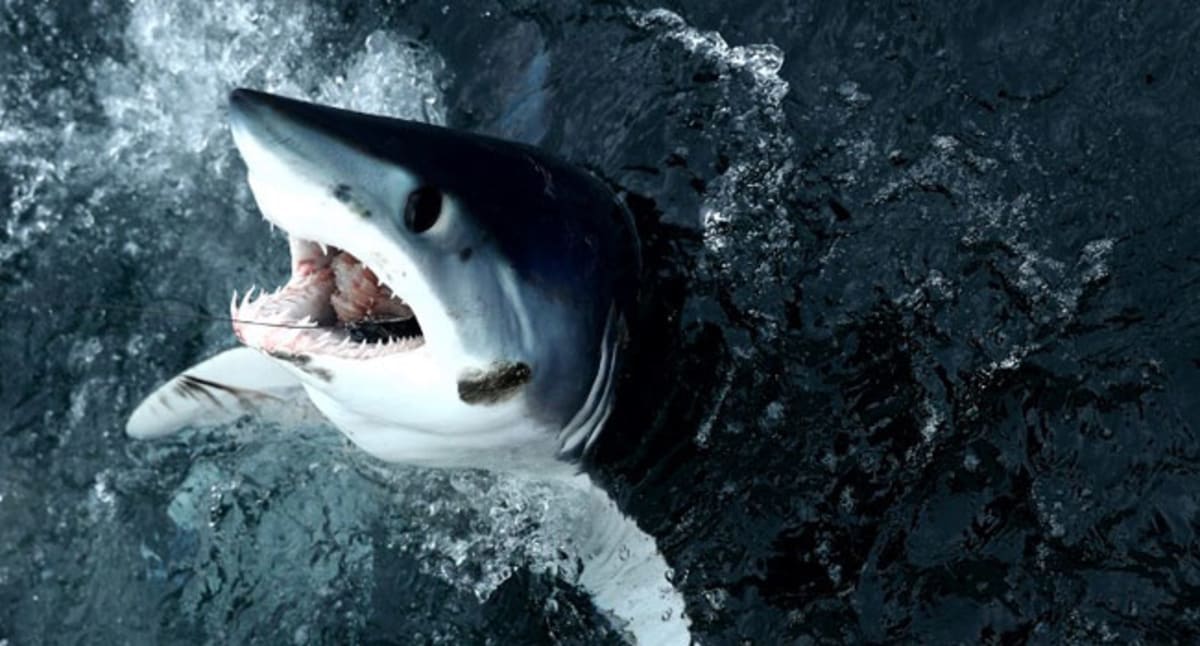
A 34 year old man was killed in a great white shark attack off Western Australia’s coast on Saturday, marking the region’s first fatal shark encounter since March 2025. The incident occurred near a popular but unpatrolled beach, according to local authorities, and has prompted immediate safety warnings for beachgoers and marine recreationists.
The attack has drawn attention from marine biologists and public health officials, who note that while shark encounters remain statistically rare, the consequences are often irreversible. Authorities are investigating the circumstances surrounding the incident and have urged heightened vigilance in coastal waters.
What Happened
The fatal attack occurred approximately 100 meters offshore from a beach in Western Australia’s Peel region, a stretch of coastline known for its strong currents and seasonal shark activity. Witnesses reported seeing a large shark breach the surface near the victim before the incident. Local emergency services recovered the man’s body, and a post mortem examination is underway to confirm the cause of death.
This is the first fatal shark attack in Western Australia since a surfer was killed in a separate incident near Esperance in March 2025. The timing of the latest attack, coming during the peak of Australia’s shark season, has raised concerns among coastal communities and marine safety advocates.
Why Public Health Officials Are Concerned
Public health and marine safety experts emphasize that while shark attacks are uncommon, the psychological and emotional impact on local communities can be profound. The incident has reignited discussions about shark management strategies, including the use of non lethal deterrent technologies and real time monitoring systems.
According to the Western Australia Department of Primary Industries and Regional Development, shark activity in the region typically peaks between November and April, coinciding with warmer ocean temperatures and increased human activity in the water. Officials have noted that environmental factors, such as shifting prey availability and ocean currents, may influence shark behavior and proximity to shore.
Symptoms or Risk Factors
Shark attacks are typically sudden and leave little time for intervention. The most significant risk factors for swimmers and surfers include:
- Entering the water during dawn or dusk, when sharks are most active.
- Swimming in areas with murky water, such as near river mouths or estuaries, where visibility is low.
- Ignoring local beach closures or shark alerts issued by authorities.
- Venturing too far from patrolled beaches, where lifeguards and emergency response teams are readily available.
Experts stress that the vast majority of shark encounters do not result in injury, but the potential for fatal outcomes necessitates heightened awareness and precautionary measures.
Who May Be Affected
The incident has heightened concerns for several groups, including:
- Local surfers, divers, and recreational swimmers who frequent Western Australia’s coastlines.
- Tourists visiting the region, particularly those unfamiliar with local shark risks and safety protocols.
- Fishermen and boaters who may encounter sharks while working offshore.
- Coastal communities that rely on marine tourism and recreational activities for their livelihoods.
Public health officials are urging these groups to remain vigilant and adhere to safety guidelines to minimize risk.
Government or WHO Response
The Western Australia government has launched an investigation into the attack, with marine biologists and shark experts collaborating to assess the situation. Authorities are reviewing shark surveillance data and considering temporary beach closures in high risk areas.
While the World Health Organization does not classify shark attacks as a public health crisis, it acknowledges the need for community education and risk mitigation strategies. The WHO has previously highlighted the importance of balancing human safety with marine conservation efforts in regions where shark encounters are more frequent.
Prevention and Safety Guidance
To reduce the risk of shark encounters, public health and marine safety experts recommend the following precautions:
- Swim at patrolled beaches only. Choose beaches with lifeguards, shark spotting drones, or aerial surveillance teams on duty.
- Avoid swimming at dawn or dusk. Sharks are most active during low light hours, increasing the likelihood of encounters.
- Stay out of murky water. Avoid areas with poor visibility, such as near river mouths, estuaries, or after heavy rainfall.
- Follow local advisories. Pay close attention to beach closure notices, shark alerts, and warnings issued by authorities. Apps like SharkSmart provide real time updates on shark activity.
- Use deterrent technology. Devices such as Shark Shield or Ocean Guardian emit electronic pulses that may deter sharks from approaching. While not 100% effective, these tools can reduce risk when used in conjunction with other safety measures.
- Avoid wearing shiny jewelry or brightly colored swimwear. These can resemble fish scales or prey, attracting sharks from a distance.
What Readers Should Know
Shark attacks, while rare, are a serious and often unpredictable risk in certain coastal regions. The latest fatal incident in Western Australia serves as a reminder of the importance of respecting marine environments and adhering to safety guidelines. For those planning to visit or live near the coast, staying informed about local shark activity and following expert advice can significantly reduce risk.
Residents and visitors are encouraged to download the SharkSmart app, which provides real time alerts and safety tips, and to follow updates from the Western Australia Department of Primary Industries and Regional Development. While the ocean offers unparalleled recreational opportunities, it is essential to prioritize safety and remain aware of the potential dangers posed by marine predators.
Key Takeaways
- Western Australia has recorded its first fatal great white shark attack in 14 months, prompting urgent safety advisories for beachgoers and marine recreationists.
- Experts attribute increased shark activity to environmental factors such as warmer ocean temperatures and shifting prey availability, particularly during peak shark season (November to April).
- Public health officials emphasize that while shark attacks are statistically rare, the consequences can be devastating, necessitating heightened awareness and precautionary measures.
- Safety guidelines include swimming at patrolled beaches, avoiding dawn and dusk swims, staying out of murky water, and following local shark advisories.
- Deterrent technologies like Shark Shield and Ocean Guardian may reduce risk but should be used alongside other safety measures, not as a sole solution.
Frequently Asked Questions
How common are fatal shark attacks in Australia?
Fatal shark attacks in Australia are rare but not unheard of. On average, the country records 1 to 2 fatal shark attacks per year, though the number fluctuates based on environmental and human factors. Western Australia has seen a cluster of incidents in recent years, prompting increased monitoring and safety measures.
What should I do if I see a shark while swimming?
If you encounter a shark while swimming, remain calm and avoid sudden movements. Slowly and steadily move toward shore or a boat, keeping the shark in sight. Do not thrash or splash, as this may attract the shark’s attention. If the shark approaches, use any available deterrent device and shout for help to alert others in the area.
Are there effective technologies to deter sharks?
Some deterrent technologies, such as electronic pulse devices (e.g., Shark Shield, Ocean Guardian), have shown promise in reducing the likelihood of shark encounters. However, these devices are not 100% effective and should be used alongside other safety measures, such as swimming at patrolled beaches and avoiding high risk areas.
How can I stay updated on shark activity in my area?
The SharkSmart app, developed by the Western Australia Department of Primary Industries and Regional Development, provides real time shark alerts, beach closure notices, and safety tips. Additionally, following official social media accounts and local news outlets can help you stay informed about shark activity in your region.
What environmental factors contribute to increased shark activity near shore?
Warmer ocean temperatures, changes in prey availability, and ocean currents can influence shark behavior and proximity to shore. Seasonal patterns, such as the peak in shark activity during Australia’s warmer months (November to April), also play a significant role in increasing encounters with humans.
Medical Review: MedSense Editorial Board









DISCUSSION (0)
POST A COMMENT