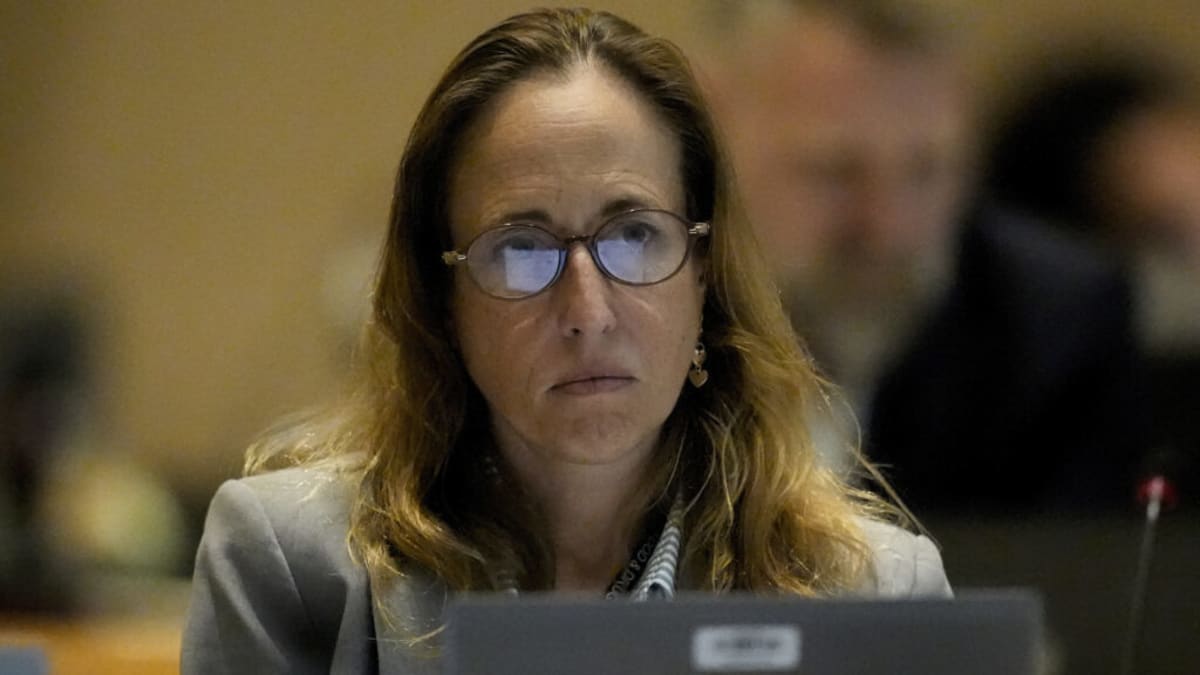
The U.S. Food and Drug Administration (FDA) is navigating uncharted waters after Tracy Beth Høeg, acting director of the Center for Drug Evaluation and Research (CDER), resigned abruptly. Her departure follows the recent exit of Commissioner Marty Makary, leaving the agency’s top leadership in flux and raising immediate concerns about the stability of drug approvals and post market safety monitoring.
The timing amplifies the stakes. The FDA is under heightened scrutiny for its drug evaluation processes, and the absence of key leadership could disrupt critical medical treatments, delay patient access to new therapies, and erode public trust in the agency’s regulatory authority.
What Happened
The FDA’s drug center, which oversees the evaluation and approval of new medications and biologics, has lost its acting director just months after the commissioner’s resignation. Høeg’s exit leaves the agency without a clear leader at a pivotal moment, as it grapples with external pressure to accelerate drug approvals while maintaining rigorous safety standards.
Why Public Health Officials Are Concerned
Industry analysts and healthcare advocates warn that a prolonged leadership gap could have cascading effects on the FDA’s operations. The agency plays a central role in determining which drugs reach patients, and disruptions in its decision making process could delay access to treatments for chronic illnesses, rare diseases, and life threatening conditions. The uncertainty also raises questions about the FDA’s ability to respond swiftly to emerging safety concerns or public health emergencies.
Symptoms or Risk Factors
While the FDA has not reported immediate disruptions to ongoing drug reviews, the leadership vacuum introduces several potential risks:
- Delays in the approval of breakthrough therapies, particularly for conditions with limited treatment options.
- Increased risk of drug shortages if post market surveillance or approval timelines are compromised.
- Erosion of public confidence in the FDA’s regulatory independence, especially amid broader debates about drug pricing and innovation.
Who May Be Affected
The impact of this leadership crisis extends across multiple stakeholders:
- Patients: Individuals relying on medications currently under FDA review may face delays in accessing new treatments or alternative options.
- Healthcare Providers: Clinicians may need to adjust treatment plans or seek additional oversight for patients transitioning between therapies.
- Pharmaceutical Industry: Drug developers could encounter uncertainty in approval timelines, affecting investment and research priorities.
- Public Health Agencies: The FDA’s ability to collaborate with other agencies on safety monitoring or emergency response may be weakened.
Government or WHO Response
The FDA has not yet announced an interim replacement for Høeg, and no official timeline has been provided for appointing a permanent director. Industry insiders suggest that the White House or Department of Health and Human Services may need to intervene to stabilize the agency’s leadership structure. The World Health Organization (WHO) has not issued a direct response but continues to monitor the FDA’s regulatory capacity as part of its global health surveillance efforts.
Prevention and Safety Guidance
While the FDA works to address its leadership challenges, patients and healthcare providers can take proactive steps to mitigate potential disruptions:
- Monitor FDA Updates: The agency regularly posts announcements about drug approvals, safety alerts, and policy changes on its official website and through its email subscription service.
- Consult Healthcare Providers: Patients with concerns about their medications should discuss alternative treatment options or contingency plans with their doctors.
- Advocate for Transparency: Healthcare organizations and patient advocacy groups can urge the FDA to provide clear communication about its succession plans and efforts to maintain operational continuity.
What Readers Should Know
The FDA’s mission to protect and advance public health remains unchanged, but its ability to fulfill that mission is now constrained by leadership instability. The agency’s next steps will determine whether drug approvals, safety monitoring, and public trust can be preserved during this critical period. Patients and providers should stay informed, prepare for potential delays, and hold the agency accountable for maintaining its regulatory standards.
Key Takeaways
- The FDA’s Center for Drug Evaluation and Research is operating without a permanent leader after the resignation of acting director Tracy Beth Høeg, following the exit of Commissioner Marty Makary.
- A leadership vacuum at the FDA could delay drug approvals, disrupt patient access to treatments, and undermine public confidence in the agency’s regulatory oversight.
- Patients relying on medications under FDA review should consult their healthcare providers to explore alternative treatment options or contingency plans.
- The FDA has not announced an interim replacement, raising concerns about a prolonged period of instability and operational uncertainty.
- Healthcare providers and patient advocacy groups can advocate for transparency and accountability to ensure the FDA maintains its regulatory standards.
Frequently Asked Questions
How will the FDA’s leadership crisis affect drug approvals?
The FDA’s drug center plays a critical role in evaluating and approving new medications. A prolonged leadership gap could delay the review process for new drugs, particularly those targeting chronic or rare diseases, and may disrupt post market safety monitoring.
What should patients do if they are concerned about their medications?
Patients should consult their healthcare providers to discuss alternative treatment options or contingency plans. The FDA also provides updates on drug approvals and safety alerts through its official website and email notifications.
Has the FDA announced a timeline for appointing a new director?
As of now, the FDA has not provided a specific timeline for appointing a permanent director or interim replacement for the acting director of the Center for Drug Evaluation and Research.
How can healthcare providers stay informed about FDA updates?
Healthcare providers can subscribe to the FDA’s email alerts, monitor official announcements on the agency’s website, and follow updates from professional medical organizations.
What role does the WHO play in this situation?
The World Health Organization monitors global regulatory capacity, including the FDA’s operations, as part of its broader health surveillance efforts. However, the WHO has not issued a direct response to the FDA’s leadership crisis.
Medical Review: MedSense Editorial Board









DISCUSSION (0)
POST A COMMENT