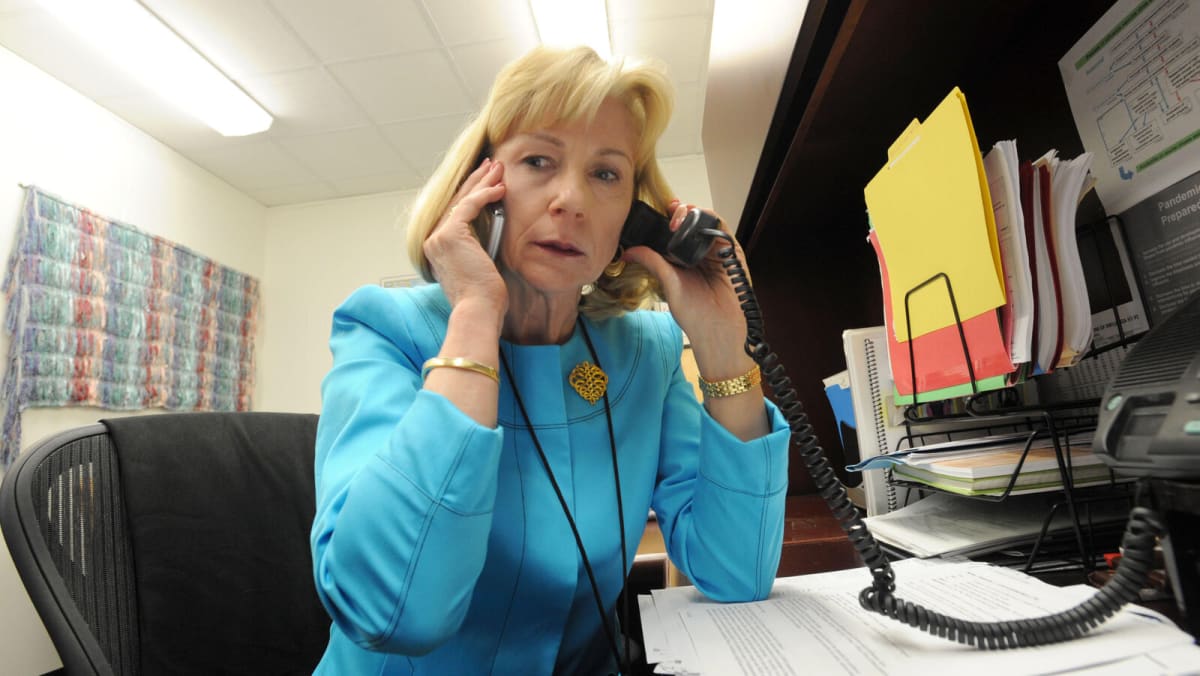
Nancy J. Cox, a towering figure in virology and pandemic preparedness, died on April 24, 2026, in Atlanta, Georgia, after a battle with glioblastoma. She was 77. Born in Emmetsburg, Iowa, in 1948, Cox dedicated her career to transforming how the world detects, tracks, and responds to viral threats, leaving an indelible mark on global health security.
Her leadership in influenza surveillance and pandemic response reshaped international health systems, most notably through her 22 year tenure leading the World Health Organization’s Global Influenza Surveillance and Response System (GISRS). The protocols and networks she established became the blueprint for coordinated outbreak responses, from the 2009 H1N1 pandemic to the COVID 19 crisis.
What Happened
Dr. Cox passed away following a prolonged illness, but her influence persists in the systems she built and the scientists she mentored. Colleagues describe her as a relentless innovator, a sharp strategist, and a compassionate leader who prioritized public health over bureaucratic hurdles. Her final years were marked by advocacy for sustained investment in pandemic preparedness, including warnings about the inevitability of zoonotic spillover events.
Why Public Health Officials Are Concerned
Public health experts emphasize that Dr. Cox’s warnings about pandemic preparedness remain urgent. The systems she championed, global surveillance networks, rapid vaccine development pipelines, and international coordination frameworks, are under strain due to funding cuts and geopolitical fragmentation. Without these safeguards, the world’s ability to detect and contain emerging pathogens is compromised.
According to the World Health Organization, the GISRS network she led monitors over 100 national influenza centers across 120 countries, providing critical data that informs vaccine strain selection and outbreak response strategies. Disruptions to this system could delay early detection of novel viruses, increasing the risk of uncontrolled spread.
Symptoms or Risk Factors
While Dr. Cox’s work focused on influenza and pandemic threats, her broader contributions addressed the interconnected risks of zoonotic diseases, antimicrobial resistance, and climate related health threats. The One Health approach she advocated recognizes that human, animal, and environmental health are inseparable. Recent outbreaks, including avian influenza and antibiotic resistant infections, underscore the validity of her warnings.
Who May Be Affected
The impact of Dr. Cox’s work spans global populations. Healthcare systems rely on the surveillance networks she developed to track seasonal influenza and identify emerging pandemic threats. Governments depend on the pandemic playbooks she helped design to guide lockdowns, contact tracing, and vaccine distribution. Vulnerable communities, particularly in low resource settings, face the highest risks when these systems falter.
Government or WHO Response
The World Health Organization has highlighted Dr. Cox’s legacy as a cornerstone of its pandemic preparedness strategy. In 2023, WHO reiterated the need for sustained funding for surveillance programs, citing her research on zoonotic spillover risks. National health agencies, including the U.S. Centers for Disease Control and Prevention, continue to use the frameworks she established to guide their influenza and pandemic response efforts.
Prevention and Safety Guidance
Dr. Cox’s career demonstrated that prevention begins with preparedness. Key measures include:
- Strengthening surveillance systems: Investing in real time monitoring of influenza and other respiratory viruses to detect shifts in viral behavior early.
- Expanding vaccine research: Building agile platforms capable of rapid vaccine development in response to emerging threats.
- Promoting the One Health approach: Integrating human, animal, and environmental health surveillance to identify zoonotic risks before they spill over into human populations.
- Sustaining international cooperation: Maintaining and expanding networks like GISRS to ensure rapid data sharing and coordinated responses.
What Readers Should Know
Dr. Cox’s death is a reminder of the fragility of progress in public health. The systems she built are not static; they require continuous investment, innovation, and political will. Her legacy challenges policymakers, scientists, and the public to prioritize pandemic preparedness as a global priority. Without it, the next pandemic could outpace our ability to respond.
Key Takeaways
- Dr. Nancy J. Cox’s leadership in influenza surveillance and pandemic preparedness saved millions of lives and set the global standard for outbreak response.
- The systems she developed, including GISRS, remain critical for detecting and containing emerging viral threats.
- Her advocacy for the One Health approach highlights the need to address human, animal, and environmental health as interconnected priorities.
- Sustained funding for surveillance, research, and international cooperation is essential to honor her legacy and protect global health security.
Frequently Asked Questions
What was Dr. Nancy J. Cox’s most significant contribution to public health?
Dr. Cox’s most significant contribution was her leadership of the World Health Organization’s Global Influenza Surveillance and Response System (GISRS) for over two decades. She transformed how the world tracks and responds to influenza, establishing protocols that became the blueprint for pandemic preparedness, including during the 2009 H1N1 and COVID 19 outbreaks.
How does Dr. Cox’s work continue to impact global health today?
Her work lives on in the annual flu vaccines derived from GISRS data, the pandemic playbooks used by governments worldwide, and the antiviral stockpiles she advocated for. The surveillance networks and international cooperation frameworks she built remain the backbone of global health security.
What is the One Health approach, and why is it important?
The One Health approach recognizes that human, animal, and environmental health are interconnected. Dr. Cox championed this framework to address zoonotic diseases, such as avian influenza and COVID 19, which originate in animals and spill over into human populations. It emphasizes integrated surveillance and response strategies to prevent and contain such threats.
What are the risks if pandemic preparedness systems weaken?
Weakening pandemic preparedness systems increases the risk of delayed detection and response to emerging viral threats. This could lead to uncontrolled spread, higher mortality rates, and greater economic and social disruption. The COVID 19 pandemic demonstrated the catastrophic consequences of underprepared systems.
How can individuals support pandemic preparedness efforts?
Individuals can support pandemic preparedness by staying informed about public health recommendations, advocating for sustained funding for surveillance and research, and practicing preventive measures such as vaccination and hygiene. Supporting policies that strengthen global health security also contributes to these efforts.
Medical Review: MedSense Editorial Board








DISCUSSION (0)
POST A COMMENT