
Understanding the Rare but Serious Viral Disease
Hantavirus is a rare viral infection primarily transmitted to humans through contact with infected rodents, particularly rats and mice. Health experts warn that exposure to rodent urine, droppings, or saliva can increase the risk of infection, especially in poorly ventilated or contaminated environments.
The virus has gained renewed public attention following recent international health investigations linked to suspected outbreaks in confined travel settings.
How Hantavirus Spreads
Humans may become infected when virus particles from rodent waste become airborne and are inhaled. In some cases, touching contaminated surfaces and then touching the face may also lead to infection.
Common risk environments include:
- Abandoned buildings
- Poorly maintained storage areas
- Farms and rural settings
- Rodent-infested homes or workplaces
Human-to-human transmission is extremely rare but has been documented in certain strains, including the Andes hantavirus.
Symptoms to Watch For
Early symptoms of hantavirus infection can resemble common flu-like illnesses, making early detection difficult.
Common Symptoms Include:
- Fever and chills
- Severe muscle aches
- Fatigue and weakness
- Headaches
- Nausea or dizziness
As the disease progresses, some patients may develop serious respiratory complications, including:
- Persistent cough
- Chest tightness
- Difficulty breathing
Severe cases may lead to Hantavirus Pulmonary Syndrome (HPS), a potentially life-threatening condition affecting the lungs.
Prevention and Safety Measures
Currently, there is no specific antiviral cure or widely available vaccine for hantavirus. Prevention remains the most effective protection.
Recommended Safety Measures:
- Keep living spaces clean and rodent-free
- Seal holes and entry points around buildings
- Store food securely
- Avoid sweeping rodent droppings directly
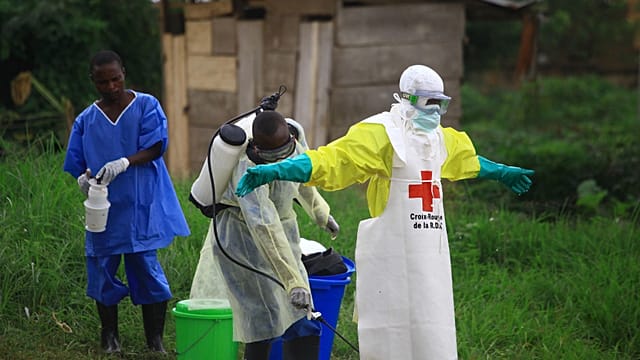
- Use gloves and face masks when cleaning contaminated areas
- Improve ventilation before entering closed spaces
Health authorities advise seeking immediate medical attention if symptoms develop after possible rodent exposure.
MedSense Insights
Public health experts emphasize that hantavirus outbreaks, although uncommon, highlight the growing importance of environmental hygiene and disease surveillance. Increased urbanization, climate changes affecting rodent populations, and human interaction with wildlife habitats may contribute to future risks.
Medical professionals also note that early symptoms are often mistaken for seasonal infections or influenza, which can delay diagnosis and treatment. Rapid medical intervention remains critical in reducing severe complications.
Experts recommend stronger public awareness campaigns, improved sanitation systems, and routine monitoring of rodent activity in both urban and rural communities as part of long-term prevention strategies.
Public Health Importance
Although hantavirus infections remain rare globally, health experts continue monitoring outbreaks due to the disease’s potential severity. Public awareness, hygiene practices, and environmental control remain key tools in reducing transmission risks.
Stay informed. Stay protected.

















DISCUSSION (0)
POST A COMMENT