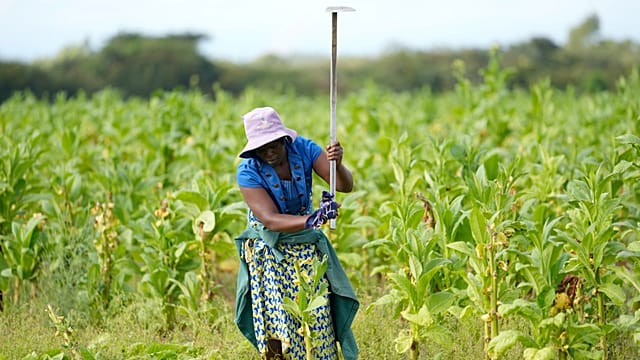
Zimbabwe’s agricultural sector is experiencing a seismic shift as smallholder farmers increasingly turn to tobacco cultivation, lured by its financial rewards and resilience against climate variability. While the economic benefits are undeniable, the rapid expansion of tobacco farming is quietly unleashing a public health crisis that threatens to destabilize rural communities for decades. Health experts warn that unchecked growth in the industry could lead to a surge in preventable diseases, environmental degradation, and social upheaval.
What Happened
Zimbabwe has become Africa’s largest tobacco producer, with smallholder farmers accounting for a growing share of the crop. The shift toward tobacco is driven by its profitability, which often exceeds that of traditional food crops, and its ability to withstand drought conditions that devastate other agricultural sectors. However, the industry’s rapid expansion has outpaced regulatory oversight, leaving farmers and their families exposed to hazardous conditions. Reports indicate a rise in green tobacco sickness (GTS), a form of nicotine poisoning that occurs when workers absorb nicotine through their skin while handling wet tobacco leaves.
Why Public Health Officials Are Concerned
Public health authorities are alarmed by the long term consequences of Zimbabwe’s tobacco boom. The crop’s cultivation is linked to a range of health risks, including respiratory diseases, cancer, and developmental issues in children. Environmental degradation, such as deforestation for wood used in tobacco curing and soil depletion, further compounds the crisis. The World Health Organization (WHO) has highlighted the disproportionate impact on vulnerable populations, particularly women and children, who are often exposed to secondhand smoke and hazardous pesticides.
Symptoms or Risk Factors
Farmers and their families face immediate and long term health risks from tobacco farming. Acute symptoms of nicotine poisoning, such as nausea, dizziness, and severe headaches, are common among workers handling wet tobacco leaves without protective gear. Chronic exposure to pesticides and tobacco dust increases the risk of lung diseases, including chronic obstructive pulmonary disease (COPD) and various cancers. Children working in tobacco fields are particularly vulnerable to stunted growth, respiratory issues, and early nicotine addiction.
Who May Be Affected
The health and social impacts of Zimbabwe’s tobacco boom extend beyond farmers to include their families, local communities, and the broader population. Women and children are disproportionately affected, as they often work in fields without adequate protection and face higher risks of secondhand smoke exposure. Rural communities reliant on natural resources for food and water are also at risk due to environmental degradation caused by tobacco farming. Additionally, the decline in food crop production could exacerbate food insecurity in a country already grappling with malnutrition.
Government or WHO Response
The Zimbabwean government has acknowledged the health risks associated with tobacco farming and is under pressure to implement stricter regulations. The Ministry of Health and Child Care has called for increased awareness campaigns about GTS and the long term health consequences of tobacco exposure. The WHO has urged the government to enforce child labor bans and provide protective equipment to farmers. However, critics argue that enforcement remains weak, and the industry’s economic importance has slowed regulatory progress.
Prevention and Safety Guidance
Public health experts recommend several measures to mitigate the risks associated with tobacco farming. Farmers should use protective gear, such as gloves, masks, and long sleeves, when handling tobacco leaves. Alternative cash crops, such as soybeans or sunflowers, offer comparable financial returns without the associated health risks. Farmer cooperatives and buyers can play a role by providing protective equipment and enforcing safety standards. Policymakers should invest in public health campaigns to educate farmers about GTS and the long term health risks of tobacco farming.
What Readers Should Know
Zimbabwe’s tobacco boom is a complex issue with far reaching consequences. While the crop provides much needed income for farmers, it also exposes them and their families to severe health risks. The environmental impact of tobacco farming further compounds the crisis, threatening food security and public health. Consumers can support ethical sourcing by choosing brands that prioritize transparency and sustainability. Policymakers must balance economic growth with public health protections to prevent a long term health crisis.
Key Takeaways
- Zimbabwe’s tobacco farming boom is driving economic gains but exposing farmers and families to severe health risks, including nicotine poisoning and cancer.
- Unregulated exposure to tobacco and pesticides is leading to acute and chronic health issues, particularly among women and children.
- Environmental degradation from tobacco farming is worsening food insecurity and public health risks in rural communities.
- Stricter regulations, protective gear, and alternative cash crops are critical to mitigating the crisis.
- Consumers and policymakers play a key role in supporting ethical tobacco sourcing and enforcing safety standards.
Frequently Asked Questions
What is green tobacco sickness (GTS), and how does it affect farmers?
Green tobacco sickness is a form of nicotine poisoning that occurs when farmers absorb nicotine through their skin while handling wet tobacco leaves. Symptoms include nausea, dizziness, headaches, and weakness. The condition is particularly common among smallholder farmers who lack protective gear.
How does tobacco farming contribute to environmental degradation?
Tobacco farming depletes soil nutrients, increases deforestation for wood used in curing tobacco, and contaminates water sources with pesticides. These environmental impacts further exacerbate health risks and food insecurity in rural communities.
What are the long term health risks for children working in tobacco fields?
Children working in tobacco fields face risks of stunted growth, respiratory issues, early nicotine addiction, and exposure to hazardous pesticides. These risks can have lifelong consequences for their health and development.
What steps can farmers take to reduce health risks?
Farmers can reduce health risks by using protective gear such as gloves, masks, and long sleeves when handling tobacco leaves. They can also explore alternative cash crops that offer comparable profits without the associated health risks.
How can consumers support ethical tobacco sourcing?
Consumers can support ethical tobacco sourcing by choosing brands that prioritize transparency and sustainability. They can also advocate for corporate accountability and demand that tobacco companies fund health initiatives in producing countries.
Medical Review: MedSense Editorial Board









DISCUSSION (0)
POST A COMMENT