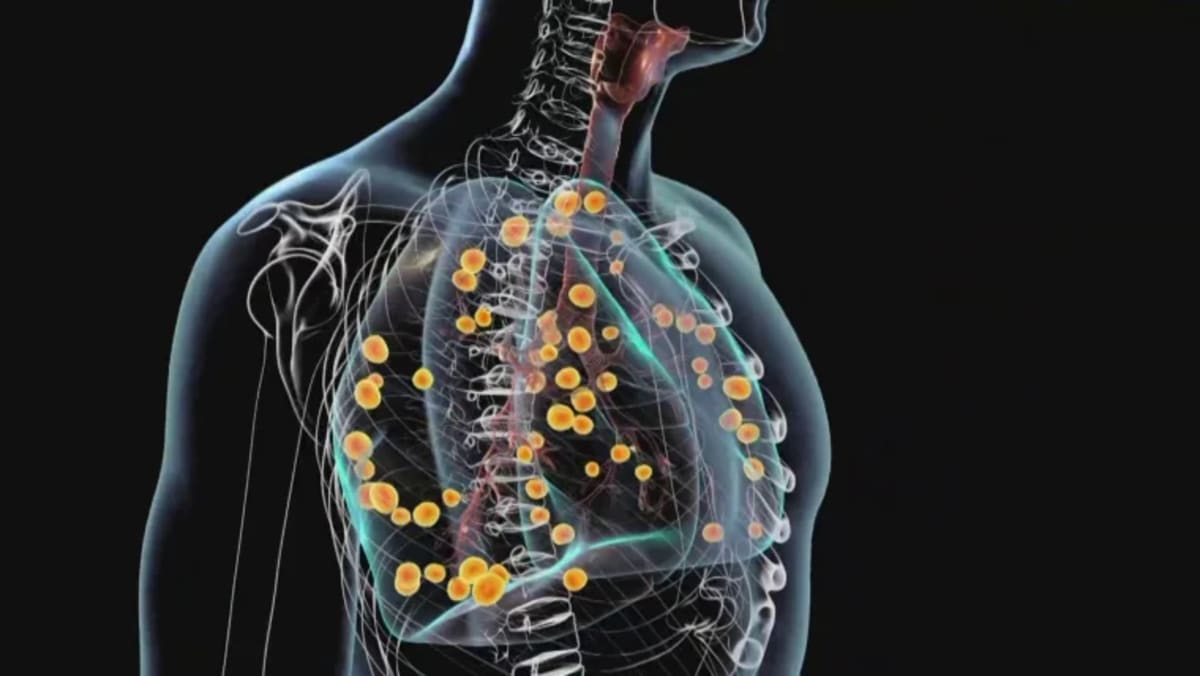
Federal health authorities are investigating an unusual surge in severe respiratory illnesses across at least five states, prompting heightened surveillance and clinical alerts. The Centers for Disease Control and Prevention (CDC) has confirmed case clusters in California, Texas, New York, Florida, and Illinois, where patients are presenting with symptoms that do not align with common respiratory viruses like influenza or respiratory syncytial virus (RSV).
While the exact cause remains unidentified, clinicians report a pattern of rapid symptom progression, including persistent high fever, severe hypoxia, and atypical chest imaging findings. The situation has drawn comparisons to severe pneumonia but with distinct clinical features that have raised concerns among infectious disease specialists.
What Happened
Hospitals in five states have reported an unexpected increase in severe respiratory illnesses over the past two weeks, with patients developing symptoms within 24 to 48 hours of exposure. Emergency departments in affected regions are under significant strain, with some facilities nearing capacity for critical care beds. Preliminary investigations suggest the illness may spread through both airborne and surface contact, though definitive evidence is still pending.
Why Public Health Officials Are Concerned
The rapid onset and severity of symptoms have alarmed clinicians, particularly the speed at which hypoxia progresses, often requiring mechanical ventilation within 72 hours of symptom onset. Atypical chest X ray findings, including bilateral opacities inconsistent with typical viral or bacterial pneumonia, further complicate diagnosis. Elevated inflammatory markers, such as C reactive protein and interleukin 6, indicate a hyperactive immune response, which may contribute to the illness's severity.
Dr. Elena Vasquez, an infectious disease specialist at Johns Hopkins Hospital, stated, "The progression of this illness is unlike anything we’ve seen in recent years. Identifying the causative agent is critical to developing targeted treatment and containment strategies."
Symptoms or Risk Factors
Patients presenting with the illness typically exhibit the following symptoms:
- Persistent high fever (102°F or above) that does not respond to standard antipyretics
- Rapidly worsening shortness of breath and hypoxia
- Atypical chest imaging findings, including bilateral opacities
- Elevated inflammatory markers in blood tests
Who May Be Affected
The illness appears to affect individuals across age groups, though preliminary data suggests a higher incidence among adults with underlying health conditions. Healthcare workers and individuals in crowded or high traffic environments may face elevated exposure risks, though transmission patterns remain under investigation.
Government or WHO Response
The CDC has issued interim guidelines for healthcare providers, emphasizing enhanced personal protective equipment (PPE) protocols and strict isolation measures for suspected cases. Facilities are advised to use negative pressure rooms where available and expand testing for a broader panel of respiratory pathogens, including emerging threats.
Federal officials have also urged the public to adopt heightened hygiene practices, such as frequent handwashing, mask wearing in crowded spaces, and staying home when experiencing respiratory symptoms. The CDC has not issued travel restrictions but is collaborating with global health organizations to monitor similar cases internationally.
Prevention and Safety Guidance
While the overall risk to the general population remains low, public health experts recommend the following precautions:
- Wear well fitting masks in indoor public spaces or crowded settings
- Practice frequent hand hygiene with soap and water or alcohol based sanitizers
- Avoid close contact with individuals exhibiting respiratory symptoms
- Seek medical attention promptly if experiencing high fever, difficulty breathing, or persistent cough
Healthcare providers are advised to follow CDC interim guidelines, including enhanced PPE use and isolation protocols, while awaiting further guidance on diagnostic testing and treatment.
What Readers Should Know
This investigation highlights the importance of robust disease surveillance and the need for rapid diagnostic tools to identify novel or emerging pathogens. While the situation is evolving, public health officials emphasize that panic is unwarranted. The CDC continues to coordinate with state and local health departments to contain the spread and identify the cause of these clusters.
Residents in affected states should stay informed through official health channels and follow recommended hygiene practices to reduce potential exposure risks.
Key Takeaways
- The CDC is investigating clusters of severe respiratory illness in California, Texas, New York, Florida, and Illinois, with no confirmed cause as of now.
- Symptoms include high fever, rapid hypoxia, and atypical chest imaging, suggesting a novel or mutated pathogen.
- Healthcare providers are advised to follow enhanced PPE and isolation protocols while awaiting further guidance.
- Public health officials urge vigilance in hygiene practices but emphasize that the overall risk to the general population remains low.
Frequently Asked Questions
What are the primary symptoms of this respiratory illness?
Patients typically present with persistent high fever (102°F or above), rapidly worsening shortness of breath, hypoxia, and atypical chest imaging findings, including bilateral opacities. Elevated inflammatory markers are also commonly observed.
How is this illness different from common respiratory viruses like the flu or RSV?
Unlike typical viral respiratory illnesses, this condition progresses rapidly, often requiring mechanical ventilation within 72 hours of symptom onset. Chest imaging and inflammatory marker patterns also differ from those seen in influenza or RSV cases.
What precautions should the public take to reduce exposure risk?
Public health experts recommend wearing well fitting masks in indoor public spaces, practicing frequent hand hygiene, avoiding close contact with symptomatic individuals, and seeking medical attention promptly if respiratory symptoms develop.
Is there a confirmed cause for these respiratory illness clusters?
As of now, no confirmed cause has been identified. The CDC and state health departments are conducting investigations to determine the causative agent, which may be a novel or mutated pathogen.
How are healthcare facilities responding to this situation?
Healthcare providers are following CDC interim guidelines, including enhanced PPE protocols, strict isolation measures for suspected cases, and expanded testing for a broader panel of respiratory pathogens. Facilities are also preparing for potential surges in critical care demand.
Medical Review: MedSense Editorial Board









DISCUSSION (0)
POST A COMMENT