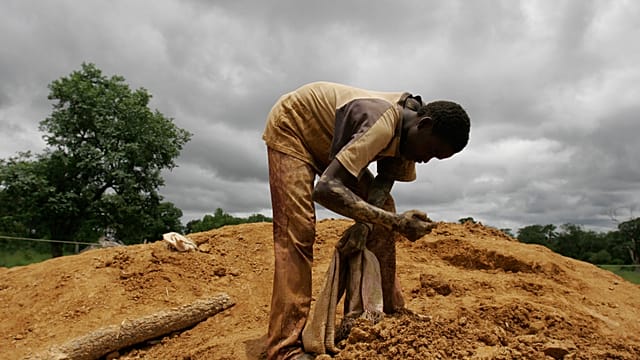
Thousands of people in Cameroon’s central and eastern regions are unknowingly exposed to mercury poisoning as illegal artisanal gold mining operations surge, according to the country’s Ministry of Mines. Nearly 200 unlicensed sites have been identified, many operated by foreign entities using banned extraction methods that contaminate water supplies, endanger workers, and threaten public health.
Health officials report a rise in mercury related illnesses, including neurological damage and respiratory failure, though underreporting and limited medical infrastructure obscure the full scale of the crisis. The situation has drawn attention from global health advocates, who warn that without immediate intervention, the long term consequences could devastate communities and ecosystems alike.
What Happened
Cameroon’s Ministry of Mines has documented a sharp increase in illegal artisanal gold mining, with nearly 200 unlicensed sites operating in the central and eastern regions. These operations, often foreign owned, rely on rudimentary techniques, including the use of mercury, a neurotoxin banned in many countries due to its severe health risks. The surge follows a global spike in gold prices, which has incentivized unregulated mining despite legal prohibitions.
Why Public Health Officials Are Concerned
Public health experts warn that mercury exposure from these mines poses a multi faceted threat. Inhalation of mercury vapors can cause irreversible lung and kidney damage, while contaminated runoff pollutes rivers and streams, entering the food chain through fish and agricultural products. Children and pregnant women are particularly vulnerable, with exposure linked to cognitive impairment and developmental disorders.
Local health officials have reported a rise in mercury poisoning cases, though exact figures remain difficult to verify due to underreporting and limited diagnostic capacity in affected areas. The World Health Organization (WHO) has previously highlighted mercury as a global health hazard, particularly in artisanal and small scale gold mining communities.
Symptoms or Risk Factors
Mercury poisoning from gold mining operations can manifest in several ways, including:
- Neurological symptoms such as tremors, memory loss, and difficulty concentrating.
- Respiratory issues, including chronic cough and lung damage from inhaling mercury vapors.
- Kidney dysfunction, which can progress to failure without treatment.
- Developmental delays in children exposed to contaminated water or food sources.
Communities living near mining sites are at the highest risk, as are workers directly involved in extraction and processing.
Who May Be Affected
The crisis disproportionately impacts vulnerable populations, including:
- Artisanal miners, many of whom are underage workers exposed to toxic chemicals.
- Indigenous communities living near mining sites, whose water sources and farmland are contaminated.
- Pregnant women and children, who face heightened risks of neurological and developmental harm.
- Local healthcare systems, which are often ill equipped to diagnose and treat mercury poisoning.
Government or WHO Response
Cameroon’s government has pledged to dismantle illegal mining operations, but enforcement remains challenging due to corruption, porous borders, and limited resources. The Ministry of Mines has called for stricter surveillance and penalties for foreign operators involved in illicit activities.
The WHO has emphasized the need for international support to address mercury contamination in artisanal gold mining. In 2017, the Minamata Convention, a global treaty aimed at reducing mercury emissions, was ratified by Cameroon, signaling a commitment to mitigating health risks. However, implementation has been slow, and critics argue that stronger enforcement is critical to protecting communities.
Prevention and Safety Guidance
Public health authorities recommend several measures to reduce exposure risks:
- Adopting mercury free gold extraction technologies, such as cyanide leaching or gravity separation methods.
- Providing protective equipment, including respirators and gloves, to miners working in high risk areas.
- Monitoring water quality in communities near mining sites to detect contamination early.
- Educating miners and local residents about the dangers of mercury and safe handling practices.
Global health organizations also advocate for stronger cross border cooperation to disrupt illicit mining networks and hold operators accountable.
What Readers Should Know
While illegal gold mining in Cameroon is driven by economic pressures, its human and environmental toll is severe. Mercury poisoning is a preventable crisis, yet thousands remain at risk due to weak enforcement and lack of alternatives for miners. Readers should be aware of the following:
- The health risks associated with mercury exposure, particularly for children and pregnant women.
- The environmental impact of unregulated mining, including deforestation and soil erosion.
- The role of global treaties like the Minamata Convention in addressing mercury pollution.
- The importance of supporting organizations that provide safer mining technologies and healthcare access in affected regions.
Key Takeaways
- Illegal artisanal gold mining in Cameroon has exposed thousands to mercury poisoning, with neurological, respiratory, and kidney damage reported.
- Children and pregnant women are among the most vulnerable, facing risks of developmental disorders and long term health complications.
- Weak enforcement of mining regulations and corruption hinder efforts to dismantle illegal operations, despite government pledges.
- Global health organizations, including the WHO, urge Cameroon to strengthen implementation of the Minamata Convention to reduce mercury emissions.
- Adopting mercury free extraction methods and improving water quality monitoring are critical steps to mitigate the crisis.
Frequently Asked Questions
How does mercury from gold mining contaminate water supplies?
Mercury used in artisanal gold mining is often released into rivers and streams as runoff. This contamination enters the food chain through fish and agricultural products, posing risks to communities that rely on these water sources for drinking and irrigation.
What are the long term health effects of mercury poisoning?
Chronic mercury exposure can lead to irreversible neurological damage, including tremors, memory loss, and cognitive impairment. It can also cause kidney failure and developmental delays in children exposed during critical growth stages.
Is Cameroon taking steps to address the illegal mining crisis?
Cameroon’s government has pledged to dismantle illegal mining operations and has ratified the Minamata Convention to reduce mercury emissions. However, enforcement remains weak due to corruption, limited resources, and porous borders.
What can individuals do to support affected communities?
Individuals can support organizations that provide safer mining technologies, healthcare access, and education in affected regions. Advocating for stronger enforcement of mining regulations and global treaties like the Minamata Convention is also crucial.
Medical Review: MedSense Editorial Board








DISCUSSION (0)
POST A COMMENT