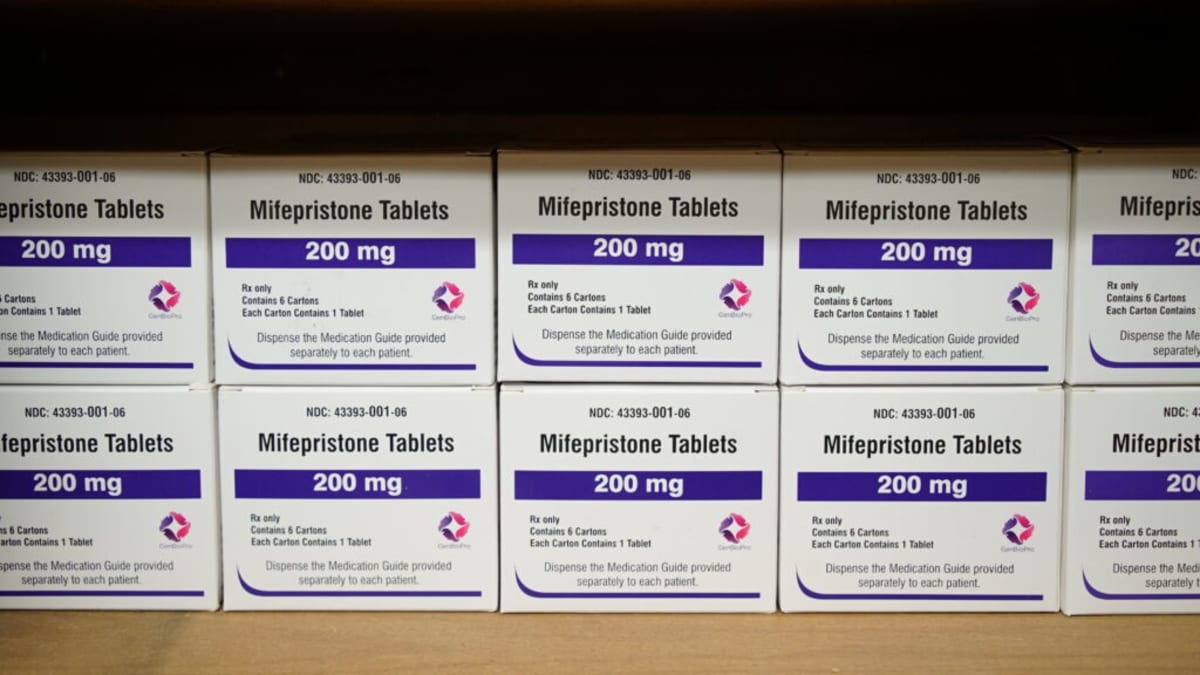
The U.S. Supreme Court has temporarily blocked restrictions on mifepristone, the medication used in more than half of all medication abortions in the United States. The decision, issued Thursday, preserves access to the drug under existing FDA guidelines while a federal lawsuit challenging its approval continues to wind through the courts.
This ruling halts a series of legal moves that threatened to disrupt medication abortion care, including a Texas judge’s attempt to revoke the FDA’s approval of mifepristone and a Fifth Circuit appeals court’s partial stay that imposed new limits on its distribution.
What Happened
The Supreme Court’s order prevents lower courts from enforcing restrictions on mifepristone while the underlying lawsuit plays out. Those restrictions, imposed by a Texas federal judge and later modified by the Fifth Circuit, would have banned mail order prescriptions, shortened the allowable window for use from 10 to 7 weeks of pregnancy, and required in person medical visits for the first dose.
Why Public Health Officials Are Concerned
Medical organizations, including the American College of Obstetricians and Gynecologists (ACOG), have warned that limiting access to mifepristone could push patients toward riskier alternatives, including surgical procedures or unsafe methods. The drug, approved by the FDA in 2000, has been used safely by millions of patients and remains a cornerstone of early abortion care in the U.S.
Symptoms or Risk Factors
Mifepristone is typically prescribed for use within the first 10 weeks of pregnancy. Restrictions that shorten this window or require in person visits could delay care for patients who face barriers to accessing clinics, such as transportation challenges, work schedules, or childcare responsibilities. Providers emphasize that delays in medication abortion can increase the risk of complications or necessitate surgical intervention.
Who May Be Affected
Patients seeking medication abortions, particularly those in states with limited access to abortion services, could be disproportionately impacted by restrictions on mifepristone. Healthcare providers who rely on the medication for early pregnancy termination may also face operational disruptions if the drug becomes less accessible. Rural and low income communities, which already face barriers to reproductive healthcare, are likely to experience the greatest strain.
Government or WHO Response
The FDA maintains that mifepristone is safe and effective when used as directed, and the agency has not changed its approval status. The Department of Justice, representing the FDA in court, argued that the Texas judge’s ruling overstepped federal authority. The Supreme Court’s intervention aligns with its role in reviewing legal challenges that could disrupt federal regulatory frameworks.
Prevention and Safety Guidance
For patients and providers, the Supreme Court’s decision means mifepristone remains available under the FDA’s original guidelines for now. Patients should consult their healthcare providers to determine the most appropriate method of abortion care based on their individual circumstances. Providers are encouraged to stay informed about evolving legal developments and to document patient care in compliance with current regulations.
What Readers Should Know
The Supreme Court’s ruling is temporary and does not resolve the underlying legal dispute over mifepristone’s approval. The case could ultimately reach the Supreme Court for a final decision, which may have broader implications for the FDA’s authority to regulate medications. Patients and providers should prepare for potential changes in access as the litigation progresses.
Key Takeaways
- The Supreme Court has blocked lower court restrictions on mifepristone, preserving access under current FDA guidelines while a federal lawsuit continues.
- Medical organizations warn that limiting access to mifepristone could push patients toward riskier alternatives, including surgical procedures or unsafe methods.
- Patients in states with limited abortion access, particularly rural and low income communities, are likely to be disproportionately affected by any future restrictions.
- The FDA maintains that mifepristone is safe and effective, and the agency has not altered its approval status despite ongoing legal challenges.
- The Supreme Court’s decision is temporary and does not resolve the broader legal dispute, leaving the door open for future changes in access.
Frequently Asked Questions
What is mifepristone, and why is it significant in abortion care?
Mifepristone is a medication used in combination with misoprostol to terminate early pregnancies. It is the most common method of medication abortion in the U.S., accounting for more than half of all abortions. The drug has been approved by the FDA since 2000 and is considered safe and effective when used as directed.
What restrictions were proposed before the Supreme Court’s ruling?
A Texas federal judge sought to revoke the FDA’s approval of mifepristone, while the Fifth Circuit Court of Appeals partially stayed that ruling and imposed new limits, including banning mail order prescriptions, shortening the allowable window for use from 10 to 7 weeks of pregnancy, and requiring in person medical visits for the first dose.
How does the Supreme Court’s decision affect patients and providers?
The Supreme Court’s order preserves access to mifepristone under the FDA’s original guidelines, meaning patients can continue to receive the medication via mail order prescriptions and within the full 10 week window. Providers can continue to offer the drug without additional restrictions for now.
Could the Supreme Court’s decision change in the future?
Yes. The Supreme Court’s ruling is temporary and applies only while the underlying lawsuit progresses. The case could ultimately reach the Supreme Court for a final decision, which may have broader implications for the FDA’s authority to regulate medications.
What are the public health concerns about restricting mifepristone?
Medical organizations, including the American College of Obstetricians and Gynecologists (ACOG), warn that limiting access to mifepristone could force patients to seek riskier alternatives, such as surgical procedures or unsafe methods. Delays in medication abortion can also increase the risk of complications.
Medical Review: MedSense Editorial Board









DISCUSSION (0)
POST A COMMENT