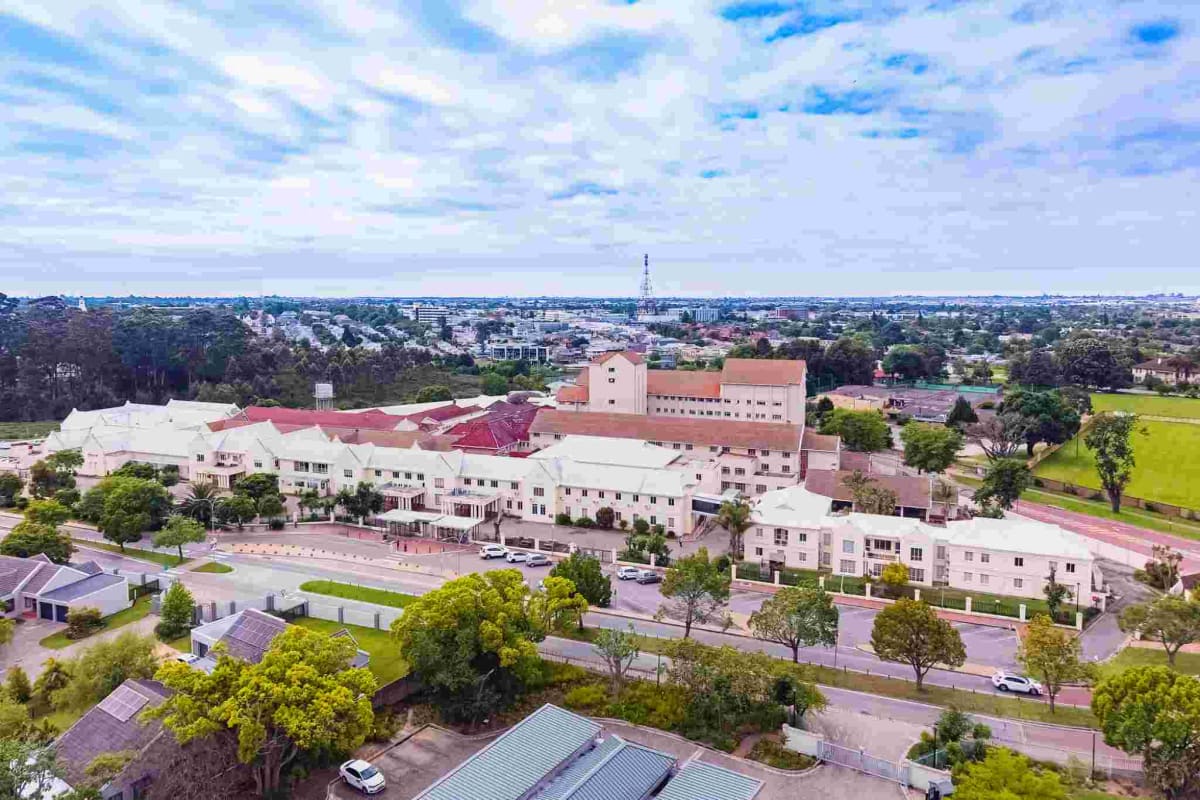
South Africa is set to launch a $2 billion initiative to overhaul its public healthcare infrastructure, submitting more than 10 funding proposals to the expanded Budget Facility for Infrastructure (BFI) in the July 2026 cycle. The move aims to address decades of underinvestment in hospitals and clinics, a challenge exacerbated by the COVID 19 pandemic’s strain on the system.
What Happened
The Department of Health confirmed plans to submit over 10 bids to the BFI, a funding mechanism designed to accelerate large scale infrastructure projects. The proposals will target upgrades to district hospitals, primary care centers, emergency units, and diagnostic laboratories, alongside investments in digital health systems such as electronic medical records and telemedicine platforms.
Why Public Health Officials Are Concerned
Public health advocates warn that outdated facilities and overcrowded hospitals have long compromised patient care and healthcare worker efficiency. The pandemic exposed critical vulnerabilities, including oxygen supply shortages, limited intensive care capacity, and disparities in access between urban and rural areas. The World Health Organization has emphasized that robust healthcare infrastructure is essential for pandemic preparedness and equitable service delivery.
Symptoms or Risk Factors
While the infrastructure gaps are systemic, their consequences are visible in measurable outcomes. Public hospitals in South Africa report average bed occupancy rates exceeding 120% in some facilities, leading to prolonged wait times and reduced quality of care. Rural districts, where 40% of the population resides, often lack functional emergency transport systems and specialized care units, forcing patients to travel long distances for treatment.
Who May Be Affected
The initiative will directly benefit patients relying on public healthcare, particularly in underserved communities where infrastructure deficits are most acute. Healthcare workers, including doctors and nurses, will also see improved working conditions in modernized facilities. Additionally, the broader economy may experience indirect benefits, as healthier populations contribute to increased productivity.
Government or WHO Response
South Africa’s National Department of Health has outlined a phased approach to prioritize projects based on need and feasibility. The government is collaborating with the National Treasury and provincial health departments to streamline the bidding process and ensure transparency. The WHO has welcomed the initiative, noting that it aligns with global health security goals and could serve as a model for other low and middle income countries facing similar challenges.
Prevention and Safety Guidance
For patients and communities, the infrastructure upgrades are expected to reduce wait times, improve diagnostic accuracy, and enhance emergency response capabilities. Healthcare workers will benefit from better equipped facilities, which can lower burnout rates and improve job satisfaction. The government has also pledged to implement digital health tools to streamline patient records and telemedicine services, particularly in remote areas.
What Readers Should Know
While the $2 billion commitment represents a significant investment, experts caution that execution will determine its success. Past infrastructure projects in South Africa have faced delays due to bureaucratic inefficiencies and funding shortfalls. Advocacy groups are calling for independent oversight to ensure funds are allocated efficiently and that projects meet community needs. The outcome of this initiative could influence how other nations address healthcare infrastructure gaps in the coming decade.
Key Takeaways
- South Africa’s $2 billion healthcare infrastructure plan aims to modernize over 100 public hospitals and clinics by 2030.
- The initiative prioritizes rural and underserved communities, where 40% of the population lacks access to specialized care.
- Digital health investments, including electronic medical records and telemedicine, will expand access to care in remote areas.
- Transparency and rigorous project oversight are critical to avoid delays and mismanagement seen in past infrastructure efforts.
- The plan aligns with WHO recommendations for pandemic preparedness and equitable healthcare delivery.
Frequently Asked Questions
What types of healthcare facilities will receive upgrades under this plan?
The proposals will target district hospitals, primary healthcare centers, emergency and trauma units, diagnostic laboratories, and digital health infrastructure such as electronic medical records and telemedicine platforms.
How will the government ensure the funds are used effectively?
The National Department of Health is collaborating with the National Treasury and provincial health departments to streamline the bidding process and implement independent oversight mechanisms to monitor progress and accountability.
What role will digital health play in this initiative?
Digital health investments will include electronic medical records to improve patient data management and telemedicine platforms to expand access to care in remote and underserved areas.
How does this plan address rural healthcare disparities?
The initiative prioritizes rural districts, where 40% of South Africa’s population resides, by funding upgrades to emergency transport systems, primary care centers, and specialized care units to reduce travel burdens for patients.
What lessons from the COVID 19 pandemic are informing this plan?
The pandemic exposed vulnerabilities such as oxygen supply shortages, limited intensive care capacity, and overcrowded hospitals. The plan aims to address these gaps by expanding emergency units, improving diagnostic capabilities, and enhancing healthcare worker safety.
Medical Review: MedSense Editorial Board









DISCUSSION (0)
POST A COMMENT