Men account for nearly 80% of suicide deaths in many countries, yet they represent fewer than one in five people reaching out to crisis text lines, according to the Crisis Text Line’s 2025 annual report. The analysis of 1.5 million anonymized conversations highlights a persistent gap in mental health support seeking behaviors among men, despite growing public awareness of suicide prevention.
What Happened
The Crisis Text Line’s 2025 report, which reviewed conversations from individuals in distress, found that men initiated fewer than 20% of crisis text messages last year. This underrepresentation occurs despite men accounting for the majority of suicide deaths in many regions. The data suggests that societal norms discouraging emotional vulnerability may be contributing to the disparity in seeking help.
Why Public Health Officials Are Concerned
Public health experts warn that the reluctance of men to engage with crisis services delays intervention during critical moments. The Crisis Text Line data indicates that men may internalize distress differently than women, often masking symptoms through anger, substance use, or social withdrawal. This pattern can obscure warning signs, making it harder for both individuals and their support networks to recognize the need for help.
Symptoms or Risk Factors
Men experiencing suicidal thoughts may not exhibit overt signs of distress, unlike women who are more likely to openly express emotional pain. Instead, symptoms in men may manifest as irritability, risk taking behaviors, substance abuse, or social isolation. Experts emphasize that these behaviors can serve as red flags for underlying mental health struggles, particularly when they deviate from a person’s usual patterns.
Who May Be Affected
This issue disproportionately affects men across all age groups, though certain populations face higher risks. Middle aged men, particularly those in occupations with high stress or limited social support, are among the most vulnerable. Additionally, men in rural areas, where mental health resources are scarce, may face compounded barriers to accessing care.
Government or WHO Response
While no specific government or WHO response has been announced in response to the Crisis Text Line report, public health advocates are calling for targeted interventions. Recommendations include expanding male focused mental health campaigns, integrating suicide prevention training into workplaces, and leveraging community spaces such as barbershops, gyms, and sports leagues to normalize conversations about mental health.
Prevention and Safety Guidance
Experts recommend several strategies to encourage men to seek help earlier. These include:
- Promoting crisis hotlines and chat services in male dominated online spaces, such as gaming communities or fitness forums.
- Training gatekeepers, such as coaches, employers, and religious leaders, to recognize subtle signs of distress and initiate supportive conversations.
- Encouraging workplaces to implement mental health programs that address stigma and provide confidential resources.
- Using media campaigns that feature relatable male role models discussing their mental health journeys.
What Readers Should Know
Men who are struggling with suicidal thoughts should know that reaching out for help is a sign of strength, not weakness. Crisis Text Line and similar services are available 24/7 and provide confidential support. For those concerned about a man in their life, experts advise approaching the conversation with empathy and without judgment. Small, consistent efforts to check in on loved ones can make a significant difference in preventing crises.
Key Takeaways
- Men account for fewer than one in five crisis text messages despite representing 80% of suicide deaths.
- Societal stigma and internalized distress often prevent men from seeking help, delaying critical intervention.
- Symptoms of suicidal ideation in men may appear as anger, substance use, or social withdrawal rather than overt distress.
- Public health advocates urge targeted campaigns in male dominated spaces and workplace mental health programs.
- Early intervention and community support are essential to reducing suicide risk among men.
Frequently Asked Questions
Why do men seek crisis help less frequently than women?
Traditional gender norms often discourage men from expressing vulnerability or seeking emotional support, fearing judgment or being perceived as weak. Additionally, men may feel less comfortable with traditional crisis hotlines, which are sometimes viewed as feminized spaces.
What are the warning signs of suicidal thoughts in men?
Warning signs may include uncharacteristic irritability, increased substance use, social withdrawal, or risk taking behaviors. Unlike women, men are less likely to openly discuss emotional pain, making these behavioral changes critical indicators.
Where can men find confidential mental health support?
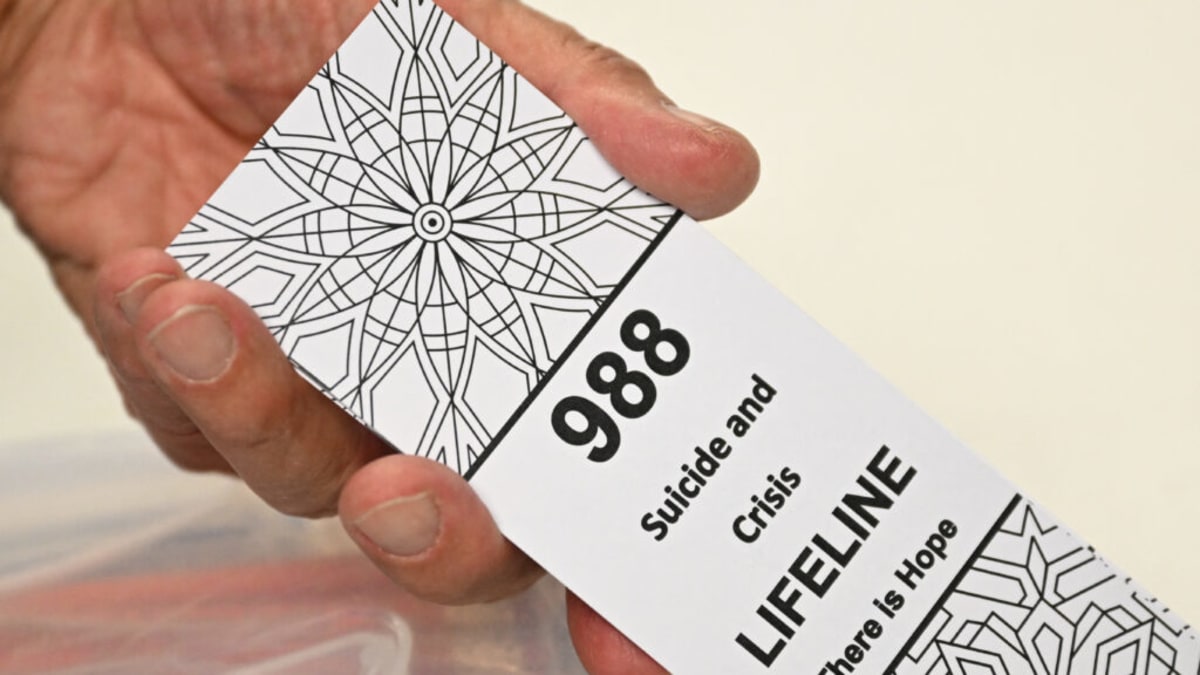
Crisis Text Line, 988 Suicide & Crisis Lifeline, and local mental health hotlines provide confidential support 24/7. Online forums and male focused mental health apps are also emerging as accessible resources.
How can workplaces support men’s mental health?
Workplaces can implement mental health programs, offer confidential counseling services, and train managers to recognize signs of distress. Encouraging open conversations about mental health and reducing stigma are key steps.
What role do community spaces play in men’s mental health?
Barbershops, gyms, sports leagues, and other male dominated spaces can serve as informal settings to normalize discussions about mental health. Training staff in these spaces to recognize distress and offer support can bridge gaps in traditional healthcare access.
Medical Review: MedSense Editorial Board









DISCUSSION (0)
POST A COMMENT