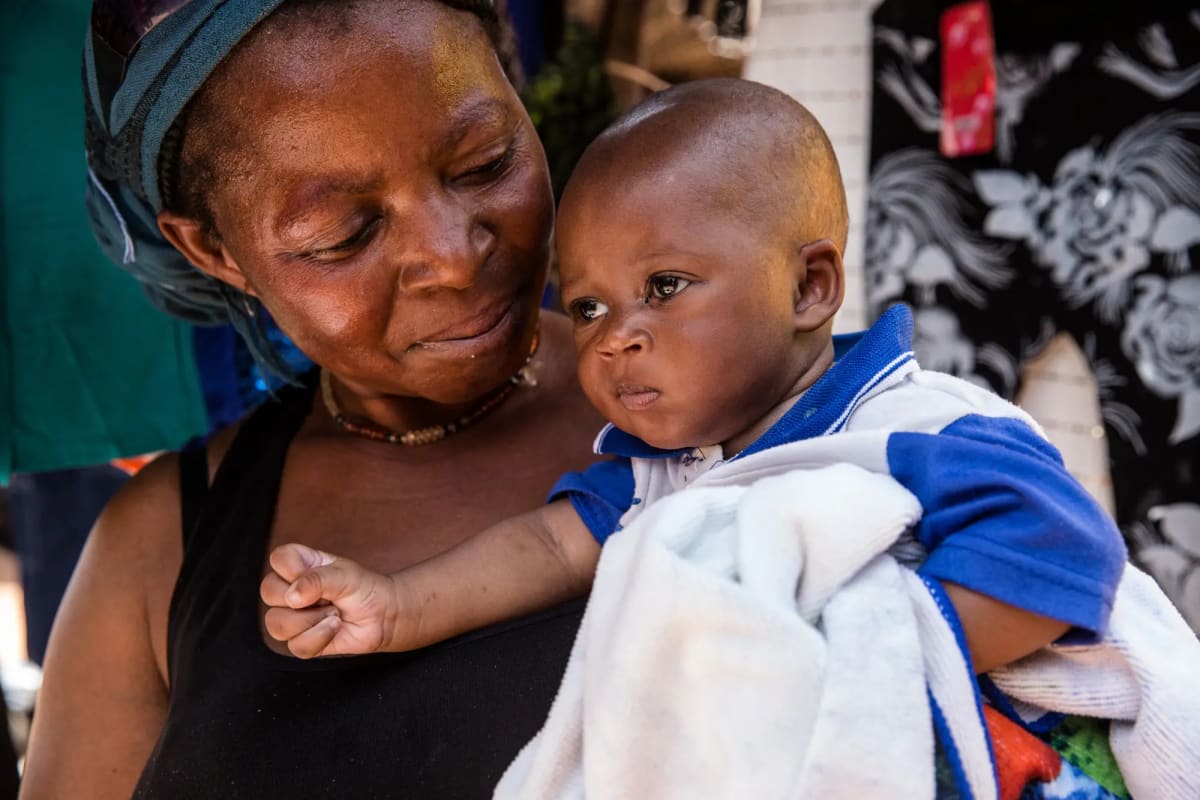
The World Health Organization’s endorsement of the RTS,S/AS01 malaria vaccine in 2021 marked a turning point in the fight against a disease that kills hundreds of thousands annually, most of them children under five in sub Saharan Africa. Early results from pilot programs in Ghana, Kenya, and Malawi show the vaccine has reduced child mortality from malaria by up to 30% in some areas, offering a critical tool alongside existing prevention methods.
What Happened
Launched under the WHO’s Malaria Vaccine Implementation Program (MVIP), RTS,S/AS01 became the first vaccine approved for a parasitic human disease. Administered in a four dose schedule, it targets Plasmodium falciparum, the deadliest malaria parasite, reducing the risk of severe disease by approximately 30% in clinical trials. The vaccine is designed to complement, not replace, existing malaria control measures such as insecticide treated bed nets, antimalarial drugs, and indoor residual spraying.
Why Public Health Officials Are Concerned
Malaria remains a leading cause of death in sub Saharan Africa, where 95% of global malaria cases and deaths occur. The disease’s persistence is fueled by drug resistant parasite strains and the expanding range of malaria carrying mosquitoes, driven by climate change. The WHO’s Global Malaria Strategy 2023, 2030 aims to cut malaria mortality by at least 90% by 2030, with vaccination playing a central role in achieving this goal.
Symptoms or Risk Factors
Malaria presents with high fever, chills, and flu like symptoms, progressing to severe complications such as organ failure or death if untreated. Children under five, pregnant women, and immunocompromised individuals face the highest risk of severe disease. Transmission occurs through the bite of infected Anopheles mosquitoes, primarily in tropical and subtropical regions.
Who May Be Affected
While malaria disproportionately impacts children under five in sub Saharan Africa, its geographic range is expanding due to climate change. Regions previously considered low risk are now experiencing increased transmission, raising concerns about outbreaks in new areas. Travelers to endemic regions and migrant populations also remain vulnerable.
Government or WHO Response
The WHO continues to expand RTS,S/AS01 deployment through national immunization programs in high burden countries. The organization is also accelerating the evaluation of next generation vaccines, including R21/Matrix M, which has shown up to 77% efficacy in clinical trials. Sustained funding and equitable distribution remain priorities to ensure access across all endemic regions.
Prevention and Safety Guidance
Public health experts recommend combining vaccination with proven malaria prevention strategies. These include using insecticide treated bed nets, applying insect repellent, wearing protective clothing, and taking antimalarial medications when traveling to high risk areas. Early diagnosis and treatment with effective antimalarials are critical to reducing severe outcomes.
What Readers Should Know
The RTS,S/AS01 vaccine does not provide complete immunity but significantly reduces the risk of severe malaria. Its real world impact demonstrates the value of integrating vaccination into broader malaria control efforts. However, challenges such as cold chain logistics, vaccine hesitancy, and funding gaps must be addressed to maximize its potential. Continued innovation and global collaboration are essential to achieving the WHO’s 2030 malaria reduction targets.
Key Takeaways
- The RTS,S/AS01 malaria vaccine has reduced child mortality by up to 30% in pilot programs in sub Saharan Africa.
- The vaccine targets Plasmodium falciparum, the deadliest malaria parasite, and is administered alongside existing prevention methods.
- Next generation vaccines like R21/Matrix M show promise with up to 77% efficacy in clinical trials.
- Climate change and drug resistance are expanding malaria’s reach, increasing the urgency of vaccination and prevention efforts.
- Sustained funding, equitable distribution, and robust surveillance are critical to achieving the WHO’s 2030 malaria reduction goals.
Frequently Asked Questions
How effective is the RTS,S/AS01 malaria vaccine?
Clinical trials show the RTS,S/AS01 vaccine reduces the risk of severe malaria by approximately 30% when administered in a four dose schedule. Real world data from pilot programs in sub Saharan Africa confirm its impact on child mortality.
Who should receive the RTS,S/AS01 vaccine?
The vaccine is primarily targeted at children aged 5, 17 months in high burden regions. It is administered as part of national immunization programs in countries like Ghana, Kenya, and Malawi.
What are the side effects of the RTS,S/AS01 vaccine?
Common side effects include pain at the injection site, fever, and irritability. Severe adverse reactions are rare. The WHO continues to monitor safety data as the vaccine is rolled out.
How does the RTS,S/AS01 vaccine compare to other malaria prevention methods?
The vaccine is not a standalone solution but complements existing tools like insecticide treated bed nets, antimalarial drugs, and indoor residual spraying. Together, these methods provide a multi pronged approach to reducing malaria transmission and severity.
What is the future of malaria vaccines?
Next generation vaccines like R21/Matrix M show higher efficacy in clinical trials and are under evaluation for WHO prequalification. Researchers are also exploring combination approaches and targeted vaccination strategies to further reduce transmission.
Medical Review: MedSense Editorial Board








DISCUSSION (0)
POST A COMMENT