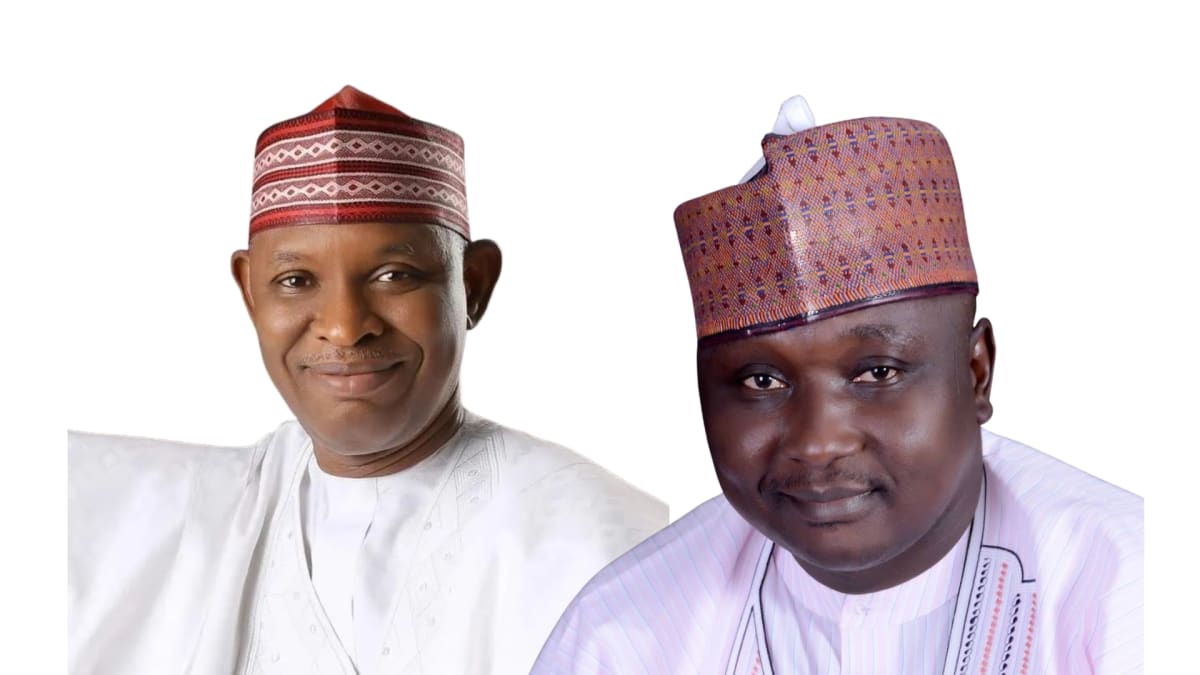
A senior political figure’s recent public disclosure of emotional distress has thrust the often silenced health toll of political life into the spotlight, prompting medical experts to warn of escalating risks tied to chronic stress in leadership roles.
The official’s admission of feelings of indebtedness and shame during a national radio interview underscored the psychological strain that accompanies public service, a burden increasingly recognized by physicians and public health researchers as a critical but overlooked public health crisis.
What Happened
A high ranking elected official publicly described the emotional and psychological weight of political life, describing feelings of indebtedness and shame during a national broadcast. The remarks followed months of intense public scrutiny and policy challenges, drawing attention to the mental health pressures faced by those in governance.
Medical professionals and occupational health experts have since emphasized that such admissions are not isolated incidents but part of a broader pattern of stress related health deterioration among political leaders.
Why Public Health Officials Are Concerned
Public health authorities and occupational medicine specialists warn that the chronic stress experienced by political figures is not merely a personal issue but a systemic risk to governance and public welfare. Prolonged exposure to high pressure environments can trigger cascading health consequences, including:
- Cardiovascular strain: Sustained stress elevates cortisol levels, contributing to hypertension, heart disease, and stroke risks. Studies in occupational health have linked high stress professions to a 20 to 30 percent increase in cardiovascular events over time.
- Mental health deterioration: Anxiety, depression, and burnout are prevalent among elected officials, with symptoms often exacerbated by public criticism and the absence of confidential support systems.
- Cognitive impairment: Long term stress may impair memory, focus, and decision making, raising concerns about the quality of governance during critical periods.
- Weakened immunity: Chronic stress suppresses immune function, increasing susceptibility to infections and delaying recovery from illness.
Symptoms or Risk Factors
Political burnout mirrors occupational burnout observed in high stress professions like healthcare and emergency services. Key indicators include:
- Persistent fatigue and emotional exhaustion, even after periods of rest.
- Detachment from professional responsibilities or public engagement.
- Feelings of cynicism or hopelessness toward political processes.
- Physical symptoms such as insomnia, headaches, or gastrointestinal issues.
- Increased reliance on unhealthy coping mechanisms, including substance use.
Contributing factors include relentless media scrutiny, hostile public environments, and the pressure to make high stakes decisions with limited control over outcomes.
Who May Be Affected
While the health risks of political stress are most visible among elected officials, the consequences ripple outward to affect governance, policy stability, and public trust. Other groups indirectly impacted include:
- Government staffers and advisors who operate under similar pressures.
- Constituents who rely on stable leadership for effective policy implementation.
- Healthcare systems burdened by the downstream effects of stress related illnesses among leaders.
Government or WHO Response
Public health agencies and advocacy groups are beginning to address the gap in support for political leaders. Recommendations include:
- Mandatory mental health screenings for elected officials, modeled after programs in high risk professions.
- Implementation of confidential counseling services tailored to the unique pressures of political life.
- Policies to cap excessive working hours and enforce work life balance, such as mandatory leave periods.
- Public awareness campaigns to normalize discussions about mental health in leadership roles.
According to the World Health Organization, occupational burnout is now recognized as an occupational phenomenon in its International Classification of Diseases, underscoring the need for systemic interventions.
Prevention and Safety Guidance
For individuals in or considering political roles, experts recommend proactive measures to mitigate stress related health risks:
- Establish boundaries: Set clear limits on working hours and prioritize time for rest and personal relationships.
- Seek confidential support: Utilize mental health resources designed for public figures, where available, to discuss stressors without fear of public exposure.
- Practice stress reduction techniques: Mindfulness, regular physical activity, and structured breaks can help manage chronic stress.
- Advocate for systemic change: Support policies that promote work life balance and mental health resources for political staff and officials.
What Readers Should Know
The health risks of political stress are not confined to personal struggles but extend to the stability of governance and public welfare. As elected officials face mounting pressures, the absence of systemic support systems poses risks to both individual leaders and the institutions they serve.
Public awareness and destigmatization of mental health challenges in leadership are critical steps toward fostering healthier political environments. Without intervention, the long term consequences could undermine governance effectiveness and public trust in democratic processes.
Key Takeaways
- Chronic stress in political leadership is linked to serious health risks, including cardiovascular disease, mental health disorders, and cognitive decline.
- Political burnout shares characteristics with burnout in other high stress professions and requires targeted interventions.
- Systemic reforms, such as mental health support programs and work life balance policies, are essential to protect elected officials.
- Public awareness and the normalization of mental health discussions in leadership roles are critical to reducing stigma.
- The health of political leaders directly impacts governance stability and public trust in democratic institutions.
Frequently Asked Questions
What are the most common health consequences of chronic stress in political leaders?
Chronic stress in political roles is associated with elevated risks of cardiovascular disease, hypertension, mental health disorders such as anxiety and depression, cognitive impairment, and weakened immune function. These risks mirror those observed in other high stress professions.
How does political burnout differ from general workplace burnout?
Political burnout is intensified by unique factors such as relentless public scrutiny, hostile environments, high stakes decision making with limited control, and the absence of confidential support systems. The public nature of political roles often exacerbates stress and delays access to care.
What systemic changes are being proposed to address this issue?
Public health advocates and occupational health experts recommend mandatory mental health screenings for elected officials, confidential counseling services tailored to political pressures, policies to limit excessive working hours, and public awareness campaigns to destigmatize mental health struggles in leadership.
Are there existing programs to support the mental health of political leaders?
Some countries and organizations have begun implementing confidential counseling services and mental health resources for elected officials, though these remain limited and are not universally available. The World Health Organization recognizes burnout as an occupational phenomenon, encouraging systemic interventions.
What can individuals in political roles do to protect their health?
Experts advise setting clear boundaries between work and personal life, seeking confidential mental health support, practicing stress reduction techniques such as mindfulness, and advocating for policies that promote work life balance and mental health resources.
Medical Review: MedSense Editorial Board









DISCUSSION (0)
POST A COMMENT