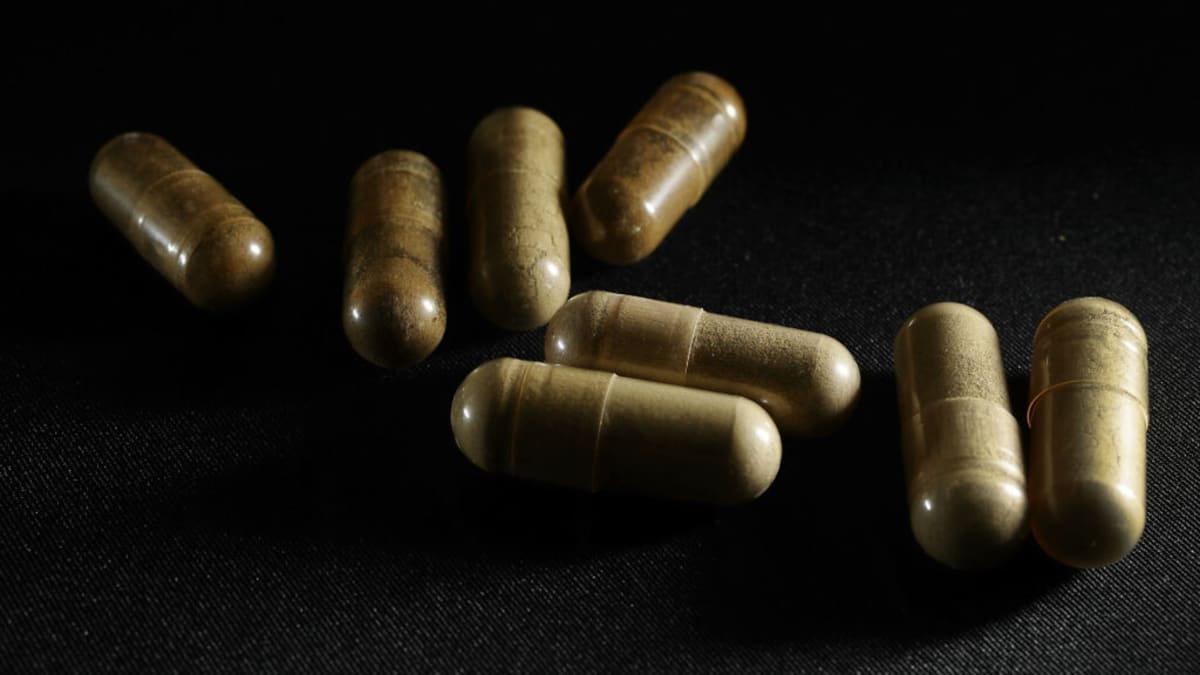
The Trump administration is signaling a potential policy reversal on 7 hydroxymitragynine (7 OH), a powerful derivative of the Southeast Asian plant kratom (Mitragyna speciosa), raising questions about its safety, efficacy, and regulatory future in the United States.
Last year, the U.S. Food and Drug Administration (FDA) issued repeated warnings about kratom, highlighting its opioid like effects and the risks of chemical alterations that increase potency and harm. Yet recent statements from administration officials suggest a reconsideration of 7 OH, specifically as a potential pharmaceutical candidate for pain management and opioid withdrawal treatment.
What Happened
Federal regulators are reviewing the possibility of approving 7 hydroxymitragynine (7 OH), a kratom alkaloid that acts on opioid receptors in the brain. The move follows public statements from administration officials indicating openness to evaluating 7 OH as a regulated pharmaceutical, rather than an unapproved botanical supplement.
The FDA has long opposed kratom use, citing concerns over addiction, overdose, and severe adverse effects such as liver toxicity and respiratory depression. In 2023, the agency reiterated its stance, warning consumers and healthcare providers about the dangers of kratom products, including those chemically altered to contain 7 OH.
Why Public Health Officials Are Concerned
Public health experts and addiction specialists warn that approving 7 OH could have unintended consequences, particularly in the context of the ongoing opioid crisis. The compound is estimated to be significantly more potent than morphine, raising concerns about its potential for misuse, dependence, and fatal overdoses.
Critics argue that without robust clinical trials demonstrating safety and efficacy, regulatory approval could normalize a substance with a high abuse potential. The National Institute on Drug Abuse (NIDA) has previously noted that kratom and its derivatives may contribute to the development of substance use disorders, complicating efforts to reduce opioid related harms.
Symptoms or Risk Factors
Kratom and its derivatives, including 7 OH, are associated with a range of adverse effects, particularly with long term or high dose use. Reported symptoms include:
- Nausea, vomiting, and constipation
- Dizziness, confusion, or sedation
- Seizures, particularly in individuals with a history of epilepsy
- Liver damage, including elevated liver enzymes and jaundice
- Respiratory depression, which can be life threatening in cases of overdose
- Withdrawal symptoms such as muscle aches, insomnia, irritability, and cravings
Individuals with a history of substance use disorders, mental health conditions, or liver disease are at higher risk of experiencing severe adverse effects.
Who May Be Affected
The potential approval of 7 OH could impact several groups, including:
- Patients with chronic pain: Some advocates argue that 7 OH could offer an alternative to traditional opioids, though evidence supporting its long term safety and efficacy remains limited.
- Individuals seeking opioid withdrawal management: Proponents claim that kratom derivatives may help reduce withdrawal symptoms, but clinical data are insufficient to support this use.
- Healthcare providers: Clinicians would need updated guidance on prescribing, monitoring, and managing patients using 7 OH if it were approved.
- Regulatory agencies: The FDA and Drug Enforcement Administration (DEA) would face pressure to establish clear frameworks for oversight, labeling, and post market surveillance.
- Public health systems: Increased access to 7 OH could strain addiction treatment services and emergency departments if misuse or overdose cases rise.
Government or WHO Response
The FDA has not publicly endorsed the approval of 7 OH but has acknowledged ongoing discussions within the administration. The agency continues to emphasize the lack of scientific evidence supporting kratom’s safety or efficacy, citing reports of adverse events linked to its use.
The World Health Organization (WHO) has not issued a formal position on 7 OH but has previously warned about the risks of kratom use, particularly in the context of global efforts to combat opioid related harms. The WHO’s Expert Committee on Drug Dependence has called for further research to assess the public health implications of kratom and its derivatives.
Prevention and Safety Guidance
If 7 OH were to gain regulatory approval, strict safeguards would be necessary to mitigate risks. Key recommendations for patients, healthcare providers, and policymakers include:
- Rigorous clinical trials: Before approval, 7 OH must undergo comprehensive Phase 3 trials to demonstrate safety, efficacy, and a favorable risk benefit profile compared to existing treatments.
- Controlled prescribing: If approved, 7 OH should be prescribed only for specific, well defined medical conditions, such as refractory chronic pain or opioid use disorder, under close medical supervision.
- Monitoring and surveillance: Post market surveillance systems should be implemented to track adverse events, misuse, and dependence, with mandatory reporting by healthcare providers and pharmacies.
- Public education: Clear, evidence based messaging is needed to inform patients and providers about the risks of 7 OH, including the potential for addiction and overdose.
- Harm reduction strategies: If approved, harm reduction programs should be expanded to include education on safer use, recognition of overdose symptoms, and access to naloxone for emergency reversal.
What Readers Should Know
While the administration’s openness to 7 OH reflects a broader conversation about innovative pain management solutions, the substance remains controversial. Patients considering kratom or its derivatives should consult their healthcare provider, as self treatment carries significant risks. Healthcare providers should remain cautious about endorsing unproven therapies and prioritize evidence based treatments for pain and substance use disorders.
For now, 7 OH is not an FDA approved medication, and its use outside of regulated clinical trials is not recommended. The agency’s position underscores the importance of rigorous science in drug approval processes, particularly for substances with high abuse potential.
Key Takeaways
- The Trump administration is evaluating 7 hydroxymitragynine (7 OH), a kratom derivative, for potential regulatory approval as a pharmaceutical.
- The FDA has repeatedly warned about the risks of kratom and its derivatives, including addiction, overdose, and severe adverse effects.
- Public health experts express concerns that approving 7 OH could worsen the opioid crisis by normalizing a highly potent and potentially addictive substance.
- Without robust clinical evidence, the approval of 7 OH would represent a significant departure from current regulatory standards for drug safety and efficacy.
- Patients and healthcare providers should exercise caution and prioritize evidence based treatments until more data are available.
Frequently Asked Questions
What is 7 hydroxymitragynine (7 OH), and how does it differ from kratom?
7 hydroxymitragynine (7 OH) is a naturally occurring alkaloid found in the kratom plant (Mitragyna speciosa). It is one of the primary compounds responsible for kratom’s opioid like effects. While kratom contains multiple alkaloids, 7 OH is significantly more potent and is often the target of chemical extraction or synthesis for enhanced effects.
Has the FDA approved 7 OH for medical use?
No. The FDA has not approved 7 OH or any kratom derived product for medical use. The agency has issued warnings about the risks associated with kratom and its derivatives, including addiction, overdose, and severe adverse effects such as liver damage and respiratory depression.
What are the potential benefits of 7 OH?
Proponents suggest that 7 OH could offer pain relief and aid in opioid withdrawal management due to its opioid receptor activity. However, these claims are not supported by robust clinical evidence, and the substance’s high potency raises concerns about its safety and abuse potential.
What risks are associated with 7 OH use?
Reported risks include addiction, dependence, overdose, liver toxicity, seizures, respiratory depression, and severe withdrawal symptoms. The substance’s potency is comparable to or greater than morphine, increasing the likelihood of harmful effects, particularly with long term or high dose use.
Could 7 OH approval help address the opioid crisis?
Some advocates argue that regulated 7 OH could provide an alternative to traditional opioids for pain management or opioid use disorder treatment. However, public health experts warn that approval without rigorous evidence could exacerbate addiction and overdose rates, undermining broader efforts to combat the opioid crisis.
Medical Review: MedSense Editorial Board









DISCUSSION (0)
POST A COMMENT