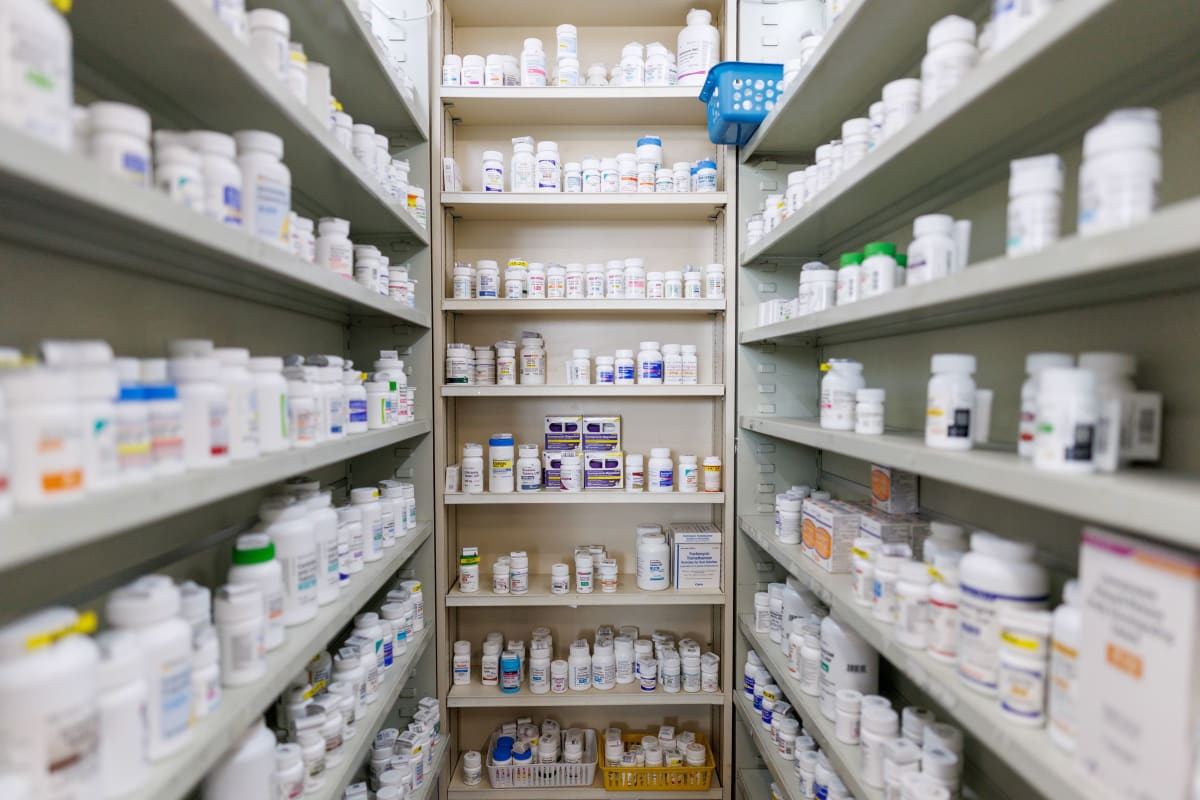
Federal efforts to curb rising drug prices have produced a fragmented landscape of modest savings and unexpected cost surges, leaving patients, insurers, and policymakers to navigate an uneven terrain of pharmaceutical affordability.
Since the start of the administration’s second term, a series of executive actions, legislative proposals, and direct negotiations with manufacturers have aimed to address what officials describe as ‘excessive’ drug pricing. While some initiatives have delivered measurable relief for consumers, others have inadvertently accelerated price hikes for critical medications, exposing the complexities of regulating an industry where supply, demand, and innovation intersect.
What Happened
Federal policies targeting pharmaceutical pricing have produced divergent outcomes across the drug supply chain. Key measures include expanded inflation rebates, which require manufacturers to refund excess profits when prices outpace inflation, and pilot programs allowing Medicare to negotiate prices for select drugs. Additional proposals have sought to tie U.S. drug prices to lower costs in other developed nations, while reforms targeting Pharmacy Benefit Managers (PBMs) aim to increase transparency in pricing practices.
Why Public Health Officials Are Concerned
Public health advocates and economists warn that the uneven impact of these policies risks exacerbating disparities in medication access. While some high cost therapies, including certain insulin products and cancer treatments, have seen price reductions, others, such as life saving epinephrine auto injectors and orphan drugs for rare diseases, have experienced sharp increases. The divergence highlights the challenges of balancing affordability with market stability, particularly in sectors where supply constraints or strategic pricing adjustments by manufacturers can override policy intentions.
Symptoms or Risk Factors
Patients most affected by these pricing fluctuations include those reliant on medications with limited competition, such as insulin, epinephrine auto injectors, and orphan drugs. Uninsured and underinsured individuals face heightened vulnerability to cost spikes, as rebates and negotiations do not uniformly translate to lower out of pocket expenses. Industry analysts note that supply chain disruptions and manufacturer pricing strategies can further amplify these risks, particularly for drugs with inelastic demand.
Who May Be Affected
The impact of these pricing reforms extends across multiple stakeholders:
- Patients: Those dependent on high cost medications, including individuals with chronic conditions or rare diseases, may face unpredictable costs despite federal interventions.
- Insurers: Both public and private insurers are grappling with the financial implications of rebates, negotiations, and reference pricing, which can shift cost burdens across the healthcare system.
- Manufacturers: Drugmakers are adjusting pricing strategies in response to regulatory pressures, with some reducing prices for targeted therapies while others raise prices for products facing limited competition.
- Policymakers: Federal and state officials are evaluating the long term effectiveness of current reforms, weighing the need for additional interventions against potential market disruptions.
Government or WHO Response
The administration has framed its policies as a necessary corrective to perceived market failures in the pharmaceutical industry. The Department of Health and Human Services has emphasized the role of inflation rebates and Medicare negotiations in delivering immediate savings, while acknowledging that systemic reform requires broader legislative action. Meanwhile, the Pharmaceutical Research and Manufacturers of America (PhRMA) has countered that aggressive pricing controls could undermine innovation, pointing to the potential for reduced investment in research and development.
Independent health economists, including researchers at the Brookings Institution, have called for a more coordinated approach that addresses underlying inefficiencies in the drug supply chain. Their analysis suggests that price controls alone may not resolve issues such as supply chain bottlenecks or lack of competition in specific drug categories.
Prevention and Safety Guidance
For patients concerned about medication affordability, experts recommend several strategies to mitigate the impact of pricing fluctuations:
- Explore Patient Assistance Programs: Many manufacturers offer financial aid or copay assistance for eligible patients, particularly for high cost therapies.
- Compare Pharmacy Options: Prices for the same medication can vary significantly between pharmacies, including online retailers and mail order services.
- Consult Healthcare Providers: Clinicians can often identify lower cost alternatives or generic equivalents that may provide comparable therapeutic benefits.
- Monitor Policy Updates: Federal and state initiatives, such as inflation rebates or Medicare negotiations, may lead to temporary price adjustments that could benefit patients.
What Readers Should Know
The current patchwork of drug pricing reforms reflects the inherent challenges of regulating an industry where cost, innovation, and access are often in tension. While some policies have delivered tangible savings, others have inadvertently fueled price surges for critical medications, underscoring the need for systemic solutions that address both affordability and market stability.
Patients and caregivers should remain vigilant about pricing changes for their medications and proactively seek out resources that can help offset costs. Policymakers, meanwhile, face the ongoing task of refining these reforms to ensure they achieve their intended goals without compromising patient access to essential therapies.
Key Takeaways
- Federal drug pricing reforms have produced uneven results, with some medications seeing price reductions while others experience sharp increases.
- Patients reliant on high cost therapies, such as insulin, epinephrine auto injectors, and orphan drugs, remain particularly vulnerable to pricing fluctuations.
- Inflation rebates and Medicare negotiations have delivered modest savings for select drugs, but systemic issues like supply chain inefficiencies persist.
- Manufacturers are adjusting pricing strategies in response to regulatory pressures, highlighting the need for coordinated solutions.
- Experts recommend exploring patient assistance programs, comparing pharmacy options, and consulting healthcare providers to mitigate medication costs.
Frequently Asked Questions
How do inflation rebates work, and which drugs are currently covered?
Inflation rebates require drug manufacturers to refund the difference when the price of a medication rises faster than the rate of inflation. As of 2024, these rebates apply to a range of high cost drugs, including certain insulin products and cancer treatments, though the list of covered medications may expand as new policies take effect.
Why have some epinephrine auto injectors, like EpiPen, seen price increases despite federal reforms?
Price surges for epinephrine auto injectors have been attributed to supply chain constraints and strategic pricing adjustments by manufacturers. These factors can override the intended effects of federal policies, particularly for drugs with limited competition or high demand.
What role do Pharmacy Benefit Managers (PBMs) play in drug pricing, and how are they being regulated?
PBMs act as intermediaries between insurers and pharmacies, negotiating discounts and rebates that can influence out of pocket costs for patients. New transparency rules aim to shed light on these practices, but industry pushback has limited the impact of these measures.
Are there resources available to help patients afford high cost medications?
Yes. Many manufacturers offer patient assistance programs, copay cards, or financial aid for eligible individuals. Additionally, some nonprofits and state programs provide support for uninsured or underinsured patients. Patients should consult their healthcare providers or pharmacists for guidance.
How might international reference pricing affect drug availability in the U.S.?
International reference pricing ties U.S. drug prices to lower costs in other developed nations. While this approach could reduce prices for some medications, critics warn it may discourage innovation and limit access to cutting edge therapies, particularly for rare diseases.
Medical Review: MedSense Editorial Board









DISCUSSION (0)
POST A COMMENT