Preliminary federal data indicates the United States recorded approximately 70,000 drug overdose deaths in 2025, marking a 14% decline from the prior year. The reduction follows a downward trend observed since 2023, offering a rare sign of progress in the nation’s prolonged opioid crisis.
Yet public health officials warn that the gains remain fragile. Shifting drug markets, the rise of synthetic substances, and policy reversals in some states could erode hard won advances, underscoring the need for sustained intervention.
What Happened
Federal health agencies released preliminary data showing a 14% decrease in U.S. drug overdose deaths in 2025 compared to 2024. The decline continues a downward trajectory that began in 2023, representing one of the most significant reductions in overdose mortality in recent years.
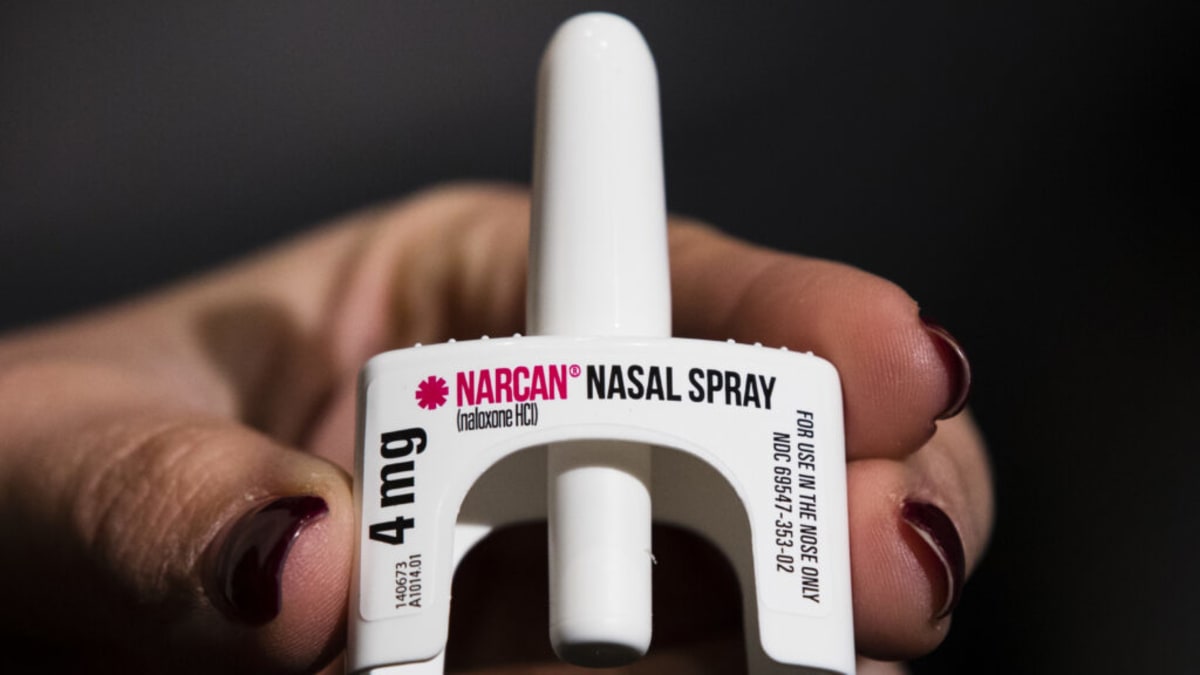
Key drivers behind the drop include expanded access to naloxone, a life saving opioid reversal drug, and the broader adoption of harm reduction strategies such as supervised consumption sites and fentanyl test strips. Federal and state funding has also increased support for medication assisted treatment programs for opioid use disorder.
However, the preliminary figures may not fully capture overdoses in rural or underserved communities, where reporting delays or misclassification can obscure the true toll.
Why Public Health Officials Are Concerned
Despite the decline, public health experts caution that the progress is not guaranteed. Several emerging threats could reverse recent gains:
- Synthetic opioid surge: The rise of nitazenes, synthetic opioids up to 10 times stronger than fentanyl, has already triggered localized overdose spikes in the Midwest and Northeast. These substances often evade standard drug tests, complicating overdose prevention efforts.
- Policy rollbacks: Some states have reduced funding for harm reduction programs or imposed restrictions on syringe exchanges, citing budget constraints or political opposition. These cuts threaten to dismantle critical safety nets in high risk communities.
- Mental health crisis: Post pandemic increases in depression, anxiety, and social isolation have contributed to relapse and new substance use disorders, particularly among adolescents and young adults.
- Supply chain disruptions: While law enforcement crackdowns on illicit fentanyl trafficking have temporarily reduced supply, experts warn these effects may be short lived as traffickers adapt to new markets and substances.
Symptoms or Risk Factors
Overdose deaths are often the result of respiratory depression caused by opioids binding to brain receptors. The risk escalates with:
- Polysubstance use, such as combining opioids with benzodiazepines or alcohol.
- Tolerance fluctuations, including after periods of abstinence like incarceration or treatment.
- Delayed access to emergency care or naloxone during critical moments.
Synthetic opioids like nitazenes and xylazine, a veterinary tranquilizer increasingly found in illicit drug supplies, pose heightened risks due to their potency and unpredictable effects.
Who May Be Affected
The opioid crisis continues to disproportionately impact marginalized communities, including:
- Individuals with opioid use disorder, particularly those without access to treatment or harm reduction services.
- Adolescents and young adults experiencing mental health challenges or social isolation.
- Rural populations, where limited healthcare infrastructure and delayed reporting can obscure overdose trends.
- People who use drugs in areas where harm reduction programs have been scaled back or restricted.
Government or WHO Response
Federal agencies, including the Centers for Disease Control and Prevention (CDC) and the Substance Abuse and Mental Health Services Administration (SAMHSA), have emphasized the need for adaptive strategies to sustain progress. Key priorities include:
- Expanding real time drug surveillance to detect emerging synthetic substances.
- Investing in mental health services to address underlying drivers of substance use disorders.
- Protecting and scaling harm reduction programs, including naloxone distribution and syringe exchanges.
- Supporting medication assisted treatment programs to improve retention and outcomes for individuals with opioid use disorder.
The World Health Organization (WHO) has reiterated its call for evidence based policies, including decriminalization of drug use and increased access to treatment, to address the global opioid crisis.
Prevention and Safety Guidance
Public health officials recommend several steps to reduce overdose risks:
- Carry naloxone: Individuals who use opioids or know someone at risk should have naloxone on hand and know how to use it. Naloxone is now available over the counter in many pharmacies.
- Test substances: Use fentanyl test strips to detect the presence of fentanyl in drugs. Be aware that nitazenes and other synthetic opioids may not be detected by standard tests.
- Seek treatment: Medication assisted treatment, including buprenorphine and methadone, has been shown to reduce overdose risks and improve long term outcomes.
- Support harm reduction programs: Advocate for policies that protect and expand access to syringe exchanges, supervised consumption sites, and other harm reduction services.
- Address mental health: Seek support for depression, anxiety, or other mental health challenges, which can contribute to substance use disorders.
What Readers Should Know
The 14% decline in overdose deaths in 2025 is a significant achievement, but it reflects a fragile balance. The opioid crisis has evolved through multiple phases, and the next wave, driven by synthetic opioids and shifting drug markets, could undermine recent progress.
Sustained reductions in overdose deaths require a multi pronged approach: protecting harm reduction programs, expanding access to treatment, addressing mental health, and adapting to emerging threats. Without these efforts, the gains of 2025 could be short lived.
Key Takeaways
- The U.S. recorded approximately 70,000 drug overdose deaths in 2025, a 14% decline from 2024, driven by expanded naloxone access and harm reduction programs.
- Synthetic opioids like nitazenes and xylazine pose new threats, with localized overdose spikes already reported in the Midwest and Northeast.
- Policy rollbacks in some states threaten to dismantle harm reduction programs, risking a resurgence of overdose deaths.
- Mental health challenges, including post pandemic increases in depression and anxiety, are contributing to relapse and new substance use disorders.
- Public health officials emphasize the need for adaptive strategies, including real time drug surveillance and expanded treatment access, to sustain progress.
Frequently Asked Questions
What are nitazenes, and why are they a concern?
Nitazenes are a class of synthetic opioids that can be up to 10 times stronger than fentanyl. Their potency and unpredictable effects increase the risk of fatal overdoses, and they often evade standard drug tests, complicating overdose prevention efforts.
How can I reduce my risk of an opioid overdose?
Carry naloxone and know how to use it. Test substances for fentanyl using fentanyl test strips. Avoid mixing opioids with other substances like benzodiazepines or alcohol. Seek medication assisted treatment if you or someone you know is struggling with opioid use disorder.
Why are harm reduction programs important?
Harm reduction programs, such as syringe exchanges and supervised consumption sites, provide critical safety nets for individuals who use drugs. They reduce fatal overdoses, prevent the spread of infectious diseases, and connect people to treatment and support services.
What role does mental health play in the opioid crisis?
Post pandemic increases in depression, anxiety, and social isolation have contributed to relapse and new substance use disorders, particularly among adolescents and young adults. Addressing mental health challenges is essential to reducing overdose risks.
What is the government doing to address the opioid crisis?
Federal agencies like the CDC and SAMHSA are prioritizing real time drug surveillance, expanded access to naloxone and treatment, and protection of harm reduction programs. The WHO has also called for decriminalization of drug use and increased access to treatment.
Medical Review: MedSense Editorial Board









DISCUSSION (0)
POST A COMMENT