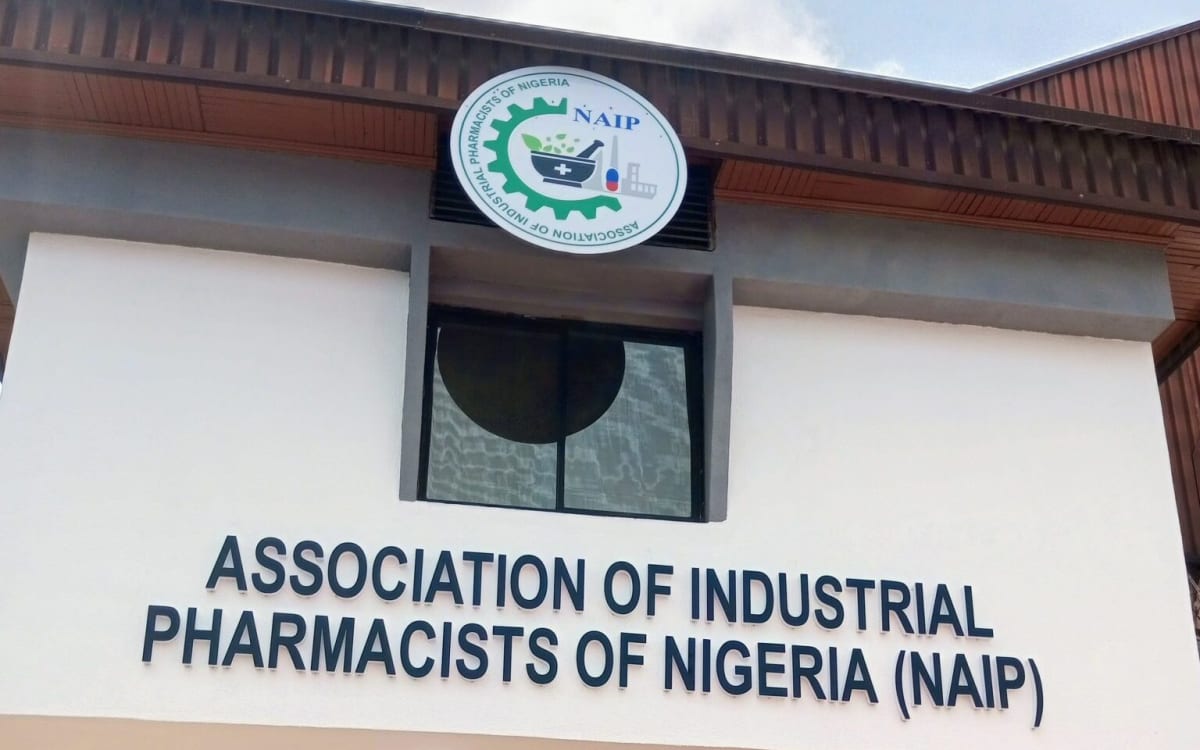
Nigeria’s healthcare system remains dangerously exposed to global supply chain shocks as the country imports more than 70% of its essential medicines, according to the Association of Industrial Pharmacists of Nigeria (NAIP). The dependency leaves millions of citizens vulnerable to shortages during crises, while draining foreign reserves and undermining efforts to build a self sufficient pharmaceutical industry.
Public health officials warn that the over reliance on imported drugs, exacerbated by geopolitical tensions, currency fluctuations, and trade restrictions, creates a fragile healthcare infrastructure that could collapse under pressure. The COVID 19 pandemic exposed these vulnerabilities, but experts say the underlying issues persist, threatening both economic stability and patient safety.
What Happened
The Association of Industrial Pharmacists of Nigeria (NAIP) has raised alarms over the country’s heavy reliance on imported medicines, which now account for over 70% of the national drug supply. This dependency has left Nigeria’s healthcare system critically exposed to disruptions, as seen during the COVID 19 pandemic when global supply chains faltered and local hospitals faced shortages of critical medications.
Geopolitical conflicts and economic instability have further strained Nigeria’s ability to secure affordable drugs, with fluctuations in currency exchange rates and trade policies complicating procurement. The situation has intensified calls for urgent reforms to reduce import dependency and strengthen domestic pharmaceutical production.
Why Public Health Officials Are Concerned
Public health experts and economists highlight three primary concerns stemming from Nigeria’s pharmaceutical import crisis:
- Supply Chain Vulnerability: Over 70% of Nigeria’s medicines are imported, leaving the country at the mercy of global disruptions. During the COVID 19 pandemic, supply chain breakdowns led to critical shortages of essential drugs, including antibiotics and insulin.
- Economic Drain: Nigeria spends billions annually on pharmaceutical imports, diverting foreign reserves that could otherwise fund infrastructure, education, and healthcare improvements. The National Bureau of Statistics reports that pharmaceutical imports cost the country over $1 billion in 2022 alone.
- Risk of Counterfeit Drugs: Weak regulatory oversight and porous borders increase the likelihood of counterfeit or substandard medicines entering the supply chain, posing serious risks to patient safety. The World Health Organization (WHO) has previously warned that up to 10% of medicines in low and middle income countries may be counterfeit or substandard.
Symptoms or Risk Factors
While the crisis is systemic, its effects are most acutely felt in vulnerable populations, including:
- Chronic Disease Patients: Individuals managing conditions such as diabetes, hypertension, and HIV/AIDS face heightened risks of treatment interruptions due to drug shortages.
- Rural Communities: Limited access to healthcare facilities in rural areas exacerbates the impact of supply chain disruptions, leaving residents with fewer options for obtaining essential medications.
- Low Income Households: Families with limited financial resources are disproportionately affected by rising drug prices and shortages, as they often lack alternatives to imported medicines.
Who May Be Affected
The pharmaceutical import crisis has far reaching consequences for Nigeria’s 220 million citizens, with the following groups bearing the brunt of the impact:
- Healthcare Providers: Hospitals and clinics struggle to maintain consistent stock levels of critical drugs, forcing providers to ration medications or refer patients to overburdened facilities.
- Pharmaceutical Manufacturers: Local drug producers face stiff competition from cheaper imported alternatives, discouraging investment in domestic manufacturing and innovation.
- Government Agencies: Regulatory bodies such as the National Agency for Food and Drug Administration and Control (NAFDAC) are under pressure to tighten oversight and curb the influx of counterfeit drugs.
- Economic Policymakers: The Central Bank of Nigeria and Ministry of Finance must balance the need for affordable medicines with the broader goal of reducing import dependency to strengthen the national economy.
Government or WHO Response
In response to the crisis, Nigerian authorities have taken steps to address the pharmaceutical import dependency, though progress has been slow:
- The National Drug Policy, introduced in 2021, aims to increase local production of essential medicines to 60% by 2025. However, implementation has been hindered by bureaucratic delays and insufficient funding.
- The Federal Ministry of Health has partnered with international organizations, including the WHO and the African Union, to explore strategies for boosting local pharmaceutical manufacturing and improving supply chain resilience.
- NAFDAC has intensified efforts to combat counterfeit drugs, including the establishment of a dedicated task force and increased surveillance at ports of entry.
Despite these measures, experts argue that more decisive action is needed to address structural challenges, such as inadequate infrastructure, power shortages, and regulatory gaps.
Prevention and Safety Guidance
For patients and healthcare providers navigating the current pharmaceutical landscape, the following steps can help mitigate risks:
- Verify Drug Sources: Patients should ensure their medications are sourced from licensed pharmacies and approved suppliers. NAFDAC provides a list of verified drug manufacturers and distributors on its official website.
- Report Suspected Counterfeit Drugs: Healthcare providers and the public are encouraged to report suspected counterfeit or substandard medicines to NAFDAC through its dedicated hotline or online portal.
- Support Local Production: Consumers can contribute to long term solutions by purchasing locally manufactured drugs when available, thereby reducing demand for imports and encouraging investment in domestic pharmaceutical companies.
- Advocate for Policy Changes: Civil society organizations and patient advocacy groups can push for stronger regulatory frameworks, increased funding for local manufacturers, and incentives for research and development in the pharmaceutical sector.
What Readers Should Know
Nigeria’s pharmaceutical import crisis is not just an economic issue, it is a public health emergency with far reaching consequences. While the government has taken initial steps to address the problem, the road to self sufficiency in drug production will require sustained investment, regulatory reforms, and collaboration between public and private sectors.
For now, patients and healthcare providers must remain vigilant, ensuring they source medications from trusted suppliers and report any irregularities to regulatory authorities. The COVID 19 pandemic served as a wake up call, but the time to act is now to prevent future crises.
Key Takeaways
- Nigeria imports over 70% of its essential medicines, leaving the healthcare system vulnerable to global supply chain disruptions.
- The economic cost of pharmaceutical imports exceeds $1 billion annually, diverting funds from critical national priorities.
- Counterfeit and substandard drugs pose significant risks to patient safety, particularly in low income and rural communities.
- Government efforts to boost local pharmaceutical production have been slow, with regulatory and infrastructure challenges hindering progress.
- Patients and healthcare providers can take steps to mitigate risks, such as verifying drug sources and reporting suspected counterfeit medicines.
Frequently Asked Questions
Why does Nigeria rely so heavily on imported medicines?
Nigeria’s local pharmaceutical manufacturing sector remains underdeveloped due to infrastructure deficits, such as unreliable power supply and inadequate transportation networks, as well as policy gaps that fail to incentivize domestic production. Additionally, global market dynamics, including currency fluctuations and trade restrictions, make imported drugs more accessible and affordable in the short term.
What are the risks of counterfeit drugs in Nigeria?
Counterfeit or substandard medicines pose serious health risks, including treatment failure, adverse reactions, and even death. The World Health Organization (WHO) estimates that up to 10% of medicines in low and middle income countries may be counterfeit, with antibiotics, antimalarials, and vaccines being particularly vulnerable to falsification.
What is the government doing to address the pharmaceutical import crisis?
The Nigerian government has introduced policies such as the National Drug Policy, which aims to increase local production of essential medicines to 60% by 2025. Additionally, regulatory bodies like NAFDAC are working to combat counterfeit drugs through surveillance and enforcement. However, progress has been slow due to funding constraints and bureaucratic delays.
How can patients protect themselves from counterfeit drugs?
Patients should purchase medications from licensed pharmacies and verify that their drugs are sourced from approved manufacturers. NAFDAC provides a list of verified suppliers on its official website. Any suspected counterfeit drugs should be reported to NAFDAC through its hotline or online portal.
What role can local manufacturers play in solving this crisis?
Local pharmaceutical manufacturers can help reduce import dependency by increasing production of essential medicines, particularly active pharmaceutical ingredients (APIs) and finished dosage forms. Investment in modern manufacturing facilities, reliable power supply, and research and development will be critical to achieving self sufficiency.
Medical Review: MedSense Editorial Board








DISCUSSION (0)
POST A COMMENT