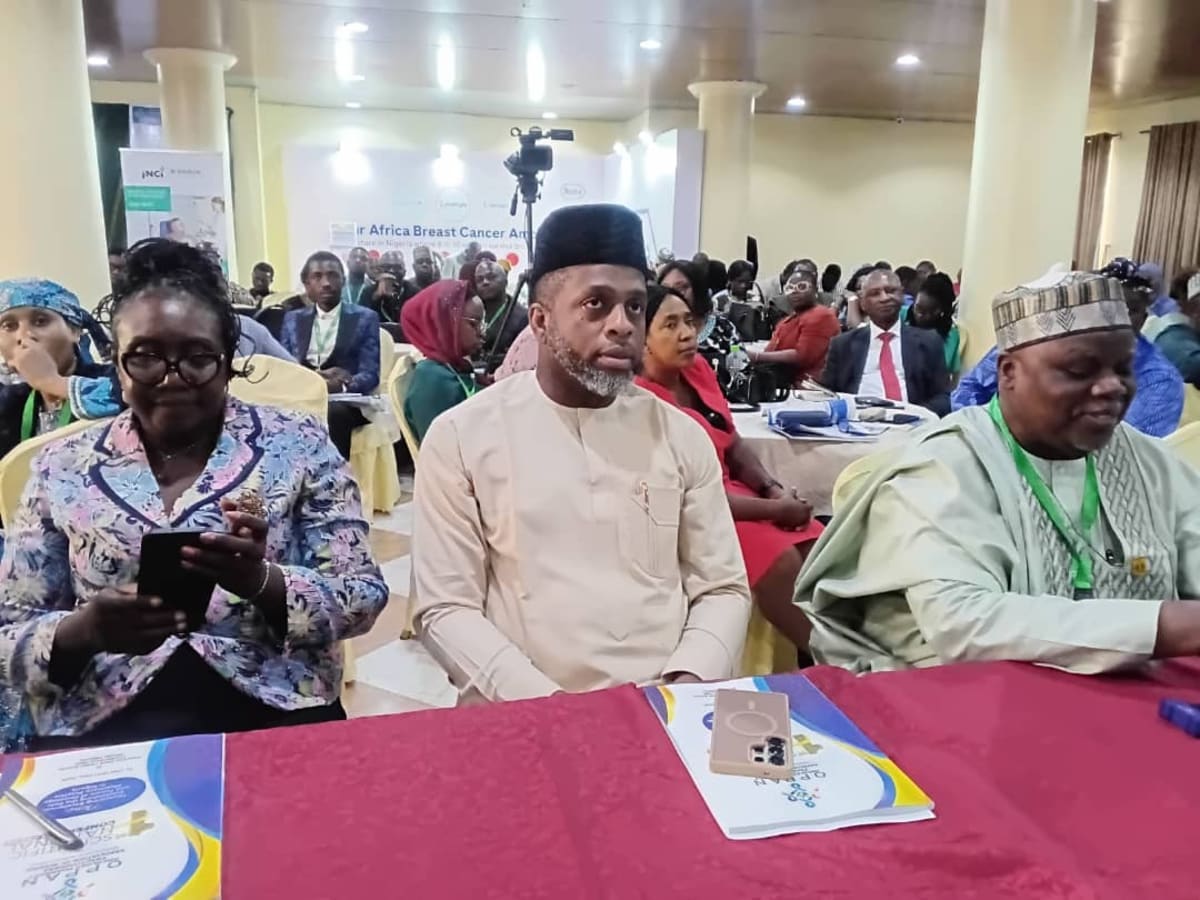
Nigeria’s oncology community has issued a stark warning about the country’s escalating cancer burden, urging immediate systemic reforms to avert what experts describe as a looming socioeconomic catastrophe. The call came during the inaugural 2026 Biennial Scientific Conference of the Oncology Practitioners Association of Nigeria (OPAN) in Abuja, where clinicians, researchers, and policymakers gathered to address a healthcare crisis that has left millions without access to timely diagnosis or treatment.
With cancer incidence rates climbing and survival outcomes lagging behind global averages, the conference highlighted a fragmented healthcare system struggling under the weight of limited resources, regulatory gaps, and a critical shortage of specialized personnel. Delegates warned that without coordinated action, the country risks losing a generation to preventable deaths.
What Happened
The OPAN conference, held in Abuja on Tuesday, served as a pivotal moment for Nigeria’s oncology sector, bringing together oncologists, pharmacists, nurses, and policymakers to confront the nation’s growing cancer crisis. The event marked the first in a series of biennial gatherings aimed at mobilizing stakeholders around a unified strategy to combat the disease.
Why Public Health Officials Are Concerned
Public health experts at the conference emphasized that Nigeria’s cancer burden is not merely a medical challenge but a socioeconomic emergency. Late stage diagnoses, limited access to care, and financial barriers to treatment have contributed to survival rates that fall far below those in high income countries. The lack of standardized treatment protocols and weak pharmacovigilance systems further exacerbate the problem, allowing counterfeit drugs and inconsistent care to undermine patient outcomes.
According to the World Health Organization (WHO), cancer is now the third leading cause of death in Nigeria, with an estimated 120,000 new cases and 72,000 deaths annually. The burden is disproportionately felt in rural and underserved urban areas, where oncology services are virtually nonexistent.
Symptoms or Risk Factors
Conference speakers identified several modifiable risk factors driving Nigeria’s cancer epidemic, including tobacco use, poor diet, and infectious agents such as human papillomavirus (HPV) and hepatitis B. Early detection remains a critical challenge, with many patients presenting with advanced stage disease due to delayed diagnosis. Common cancers in Nigeria include breast, cervical, liver, and prostate cancers, all of which are amenable to prevention and early intervention strategies.
Who May Be Affected
The cancer crisis in Nigeria disproportionately impacts low income households, rural communities, and women, who face higher rates of cervical cancer. Children and young adults are also vulnerable, particularly in regions with limited vaccination programs for HPV and hepatitis B. Healthcare workers, including oncologists, nurses, and pharmacists, are stretched thin, with many operating in facilities lacking basic diagnostic and treatment equipment.
Government or WHO Response
While Nigeria has made incremental progress in cancer control, including the establishment of a National Cancer Control Plan in 2018, delegates at the OPAN conference argued that these efforts have been insufficient. The Federal Ministry of Health has been urged to prioritize cancer care by allocating dedicated funding, enforcing national treatment standards, and integrating oncology services into primary healthcare systems. The WHO has also called for strengthened surveillance systems to track cancer incidence and outcomes, as well as expanded vaccination programs to reduce infection related cancers.
Prevention and Safety Guidance
Experts outlined several evidence based strategies to reduce Nigeria’s cancer burden, including:
- Expanding HPV vaccination programs to target adolescent girls and boys, reducing the risk of cervical and other HPV related cancers.
- Implementing tobacco control measures, such as higher taxes on cigarettes and stricter enforcement of smoke free public spaces.
- Strengthening food safety regulations to limit exposure to aflatoxins and other carcinogens in the food supply.
- Integrating cancer screening programs into primary healthcare services, particularly for breast, cervical, and colorectal cancers.
- Bolstering pharmacovigilance systems to monitor the safety and efficacy of cancer drugs, including efforts to combat counterfeit medications.
What Readers Should Know
For patients and families affected by cancer in Nigeria, the current healthcare landscape presents significant challenges, but opportunities for improvement are emerging. The OPAN conference highlighted the importance of advocacy, with delegates calling for the inclusion of cancer drugs in the National Health Insurance Scheme (NHIS) to reduce financial barriers to treatment. Pilot programs in high burden states are also underway to test integrated cancer care models, which aim to improve coordination among oncologists, pharmacists, and primary care providers.
Public awareness campaigns targeting risk factors such as tobacco use and poor diet are critical to reducing cancer incidence. Meanwhile, policymakers are being pressed to enforce national treatment standards and invest in oncology infrastructure, particularly in underserved regions. The next biennial conference in 2026 will serve as a benchmark for measuring progress and holding leaders accountable for systemic reforms.
Key Takeaways
- Nigeria’s cancer burden is escalating due to late stage diagnoses, limited access to care, and systemic healthcare gaps.
- Experts at the OPAN conference called for national reforms, including standardized treatment protocols, expanded pharmacovigilance, and increased funding for oncology infrastructure.
- Modifiable risk factors such as tobacco use, poor diet, and infectious agents like HPV and hepatitis B are driving the crisis.
- Policymakers are urged to prioritize cancer care by integrating services into primary healthcare, enforcing treatment standards, and expanding vaccination programs.
- The OPAN conference marked the beginning of a sustained advocacy effort, with pilot programs and policy recommendations set to shape Nigeria’s cancer control strategy in the coming years.
Frequently Asked Questions
What are the most common cancers in Nigeria?
The most prevalent cancers in Nigeria include breast, cervical, liver, and prostate cancers. These cancers are often diagnosed at advanced stages due to limited access to screening and early detection services.
How can Nigeria improve early detection of cancer?
Experts recommend integrating cancer screening programs into primary healthcare services, expanding vaccination programs for HPV and hepatitis B, and launching public awareness campaigns to educate communities about risk factors and symptoms.
What role do pharmacists play in Nigeria’s cancer care system?
Oncology pharmacists are critical to ensuring safe and effective medication management for cancer patients. Their integration into multidisciplinary oncology teams can optimize treatment outcomes and reduce adverse drug reactions.
What is the National Cancer Control Plan, and how effective has it been?
Nigeria’s National Cancer Control Plan, established in 2018, outlines strategies to reduce cancer incidence and mortality, including prevention, early detection, treatment, and palliative care. While progress has been made, experts argue that implementation has been inconsistent and underfunded.
How can patients access cancer treatment in Nigeria?
Access to cancer treatment in Nigeria is limited by geographic, financial, and infrastructural barriers. Patients often bear the cost of treatment out of pocket, and many rely on charitable organizations or international aid for care. The inclusion of cancer drugs in the National Health Insurance Scheme (NHIS) is a key advocacy priority to improve affordability.
Medical Review: MedSense Editorial Board








DISCUSSION (0)
POST A COMMENT