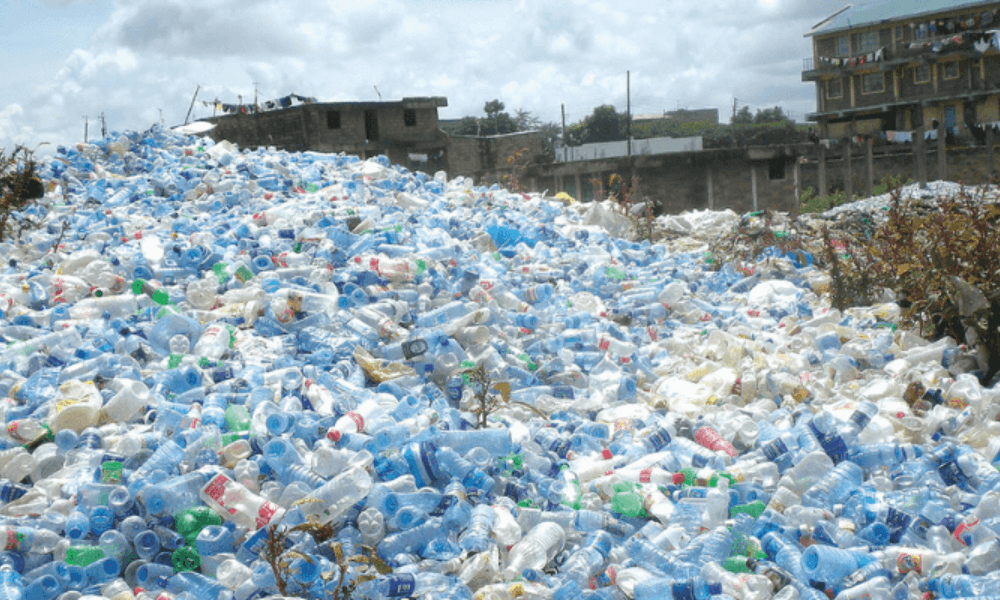
There’s a growing danger in Nigeria that many people don’t see, but it’s already affecting millions of lives.
Plastic waste, once considered just an environmental problem, is now being recognized as a serious public health threat. From clogged drainage systems to contaminated food and water, experts are warning that the impact goes far beyond dirty streets it’s entering our bodies.
Across cities like Lagos, Ibadan, and Port Harcourt, plastic pollution is increasing at an alarming rate. As waste piles up, it breaks down into tiny particles known as microplastics. These particles can enter drinking water, food chains, and even the air we breathe.
Health professionals are raising concerns that long-term exposure may be linked to respiratory issues, hormonal disruptions, and chronic diseases.
But the risks don’t stop there.
Blocked drainage systems caused by plastic waste are contributing to flooding, which creates the perfect environment for deadly outbreaks like Cholera and malaria. In many communities, especially those with limited waste management systems, this cycle continues to put lives at risk.
Environmental and health experts are now calling for urgent action:
- Stronger waste management policies
- Reduction in single-use plastics
- Increased public awareness on safe disposal
For everyday Nigerians, this is more than policy it’s personal. It’s about the water you drink, the air you breathe, and the environment you live in.
The message is clear:
Plastic pollution is no longer just an environmental issue, it is a health emergency.
As Nigeria continues to grow, addressing this crisis will be critical not just for the planet, but for the health and survival of its people.











DISCUSSION (0)
POST A COMMENT