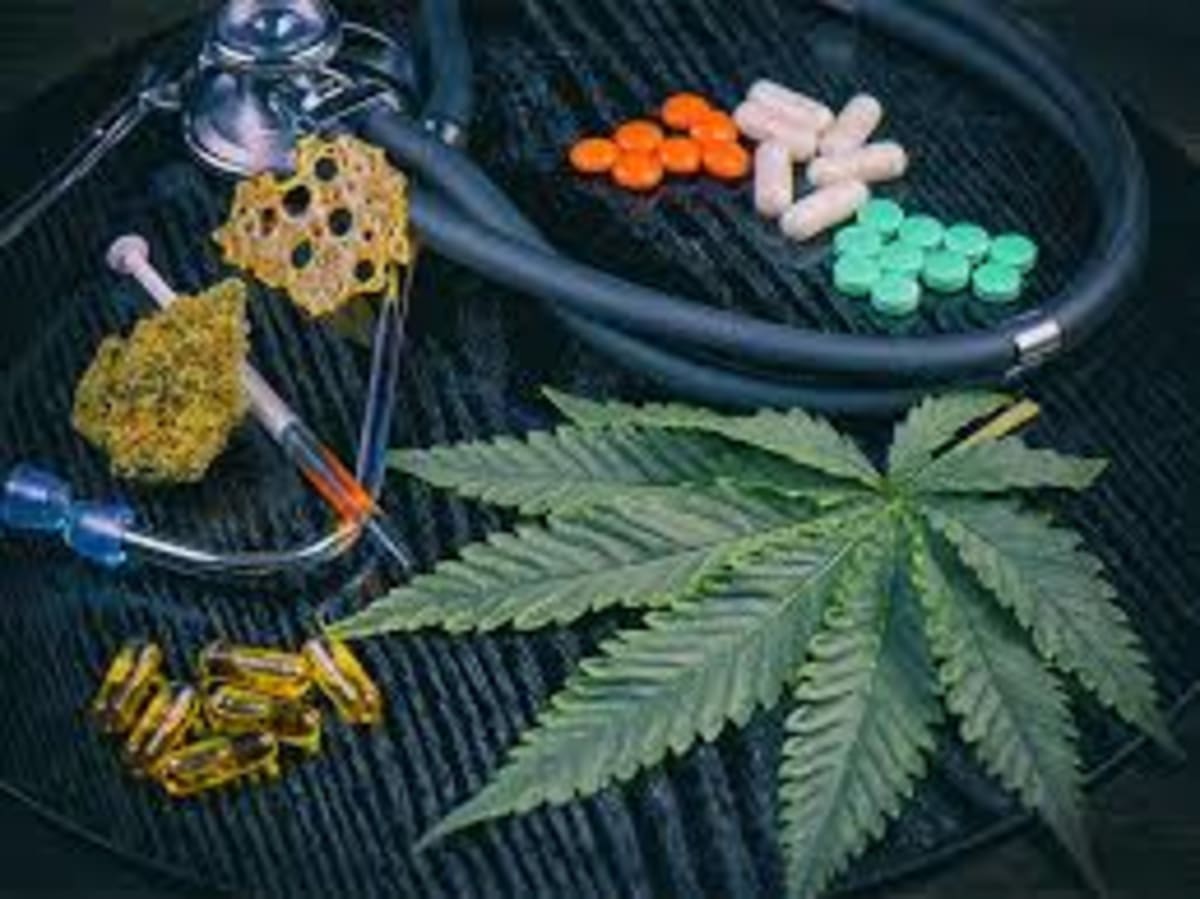
The 2018 U.S. Farm Bill redefined hemp as a legal agricultural commodity by limiting delta 9 tetrahydrocannabinol (THC) to 0.3% or less, triggering a nationwide surge in hemp derived cannabinoid products. While the legislation intended to distinguish hemp from marijuana, it inadvertently opened a regulatory loophole exploited by products containing delta 8 THC and tetrahydrocannabinolic acid (THCA). These compounds, often marketed as legal alternatives to traditional cannabis, operate in a gray area where federal and state laws collide, leaving consumers and businesses navigating a fragmented landscape.
What Happened
The 2018 Farm Bill removed hemp from the Controlled Substances Act, legalizing its cultivation and the production of hemp derived products nationwide. However, the legislation did not account for the emergence of intoxicating cannabinoids like delta 8 THC and THCA, which are chemically derived or naturally present in hemp but produce psychoactive effects when consumed. Delta 8 THC, often synthesized from CBD, mimics the effects of delta 9 THC but with a milder high. THCA, a non psychoactive precursor, converts to delta 9 THC when heated, raising questions about its legal status under the Farm Bill’s 0.3% THC threshold.
Why Public Health Officials Are Concerned
Public health agencies and regulators have raised alarms over the unchecked proliferation of these products, citing several critical issues. First, the lack of standardized testing and labeling requirements has led to widespread inconsistencies in product safety. A 2023 study published in JAMA Network Open found that nearly 60% of delta 8 THC products tested contained unlisted cannabinoids, heavy metals, or residual solvents, posing potential health risks to consumers. Second, the synthetic production of delta 8 THC raises concerns about chemical safety and potential contamination during manufacturing. Third, the intoxicating effects of these compounds, particularly among adolescents and individuals with limited cannabis experience, have sparked worries about public health and safety.
The Drug Enforcement Administration (DEA) has indicated that synthetically derived THC compounds may fall under the Controlled Substances Act, but enforcement has been inconsistent. Meanwhile, the Food and Drug Administration (FDA) has issued warnings about the potential health risks of delta 8 THC, including adverse events such as vomiting, diarrhea, and neurological effects, though it has not yet established comprehensive regulations for these products.
Symptoms or Risk Factors
Consumers using hemp derived cannabinoid products may experience a range of effects depending on the compound and dosage:
- Delta 8 THC: Psychoactive effects similar to delta 9 THC, including euphoria, relaxation, and altered sensory perception. Overconsumption may lead to anxiety, paranoia, or dizziness. Adverse reactions reported to poison control centers include vomiting, confusion, and loss of consciousness.
- THCA: Non psychoactive when raw but converts to delta 9 THC when heated, producing intoxicating effects. Products marketed as "THCA flower" or "raw hemp" may mislead consumers about their psychoactive potential upon consumption.
Vulnerable populations, including children, pregnant individuals, and those with preexisting mental health conditions, face heightened risks from accidental ingestion or unregulated dosing. The FDA has received reports of adverse events linked to delta 8 THC products, including hospitalizations and severe reactions.
Who May Be Affected
The regulatory ambiguity surrounding hemp derived cannabinoids has created a patchwork of legal and safety challenges across different groups:
- Consumers: Individuals seeking legal alternatives to marijuana may unknowingly purchase products with unlisted ingredients or contaminants. The lack of standardized labeling makes it difficult to assess potency or safety.
- Businesses: Retailers and manufacturers operating in states with unclear regulations face legal risks, including fines or product seizures. Some states have banned specific cannabinoids, while others impose strict testing or licensing requirements.
- Healthcare Providers: Clinicians report increasing cases of patients presenting with symptoms linked to unregulated cannabinoid products, including psychosis, gastrointestinal distress, and neurological issues. The absence of standardized testing complicates diagnosis and treatment.
- Law Enforcement: Agencies struggle to enforce laws in a landscape where state and federal regulations conflict. The DEA’s stance on synthetically derived THC compounds adds another layer of complexity to enforcement efforts.
Government or WHO Response
Federal agencies have taken incremental steps to address the regulatory void, but comprehensive action remains elusive. The FDA has issued consumer warnings about delta 8 THC and is evaluating its regulatory authority over these products. In 2022, the agency sent warning letters to manufacturers and distributors of delta 8 THC products, citing violations of the Federal Food, Drug, and Cosmetic Act. However, the FDA has not yet established formal regulations for hemp derived cannabinoids, leaving a critical gap in oversight.
State governments have adopted divergent approaches. As of mid 2024, 17 states have explicitly banned delta 8 THC, while others have imposed testing, labeling, or licensing requirements. For example, California requires third party testing for heavy metals and pesticides in hemp derived products, and New York has banned the sale of delta 8 THC entirely. The patchwork of state laws creates confusion for businesses and consumers alike.
The World Health Organization (WHO) has not issued specific guidance on hemp derived cannabinoids but has emphasized the need for evidence based regulation to protect public health. The organization’s 2020 Cannabis and Cannabis Resin Critical Review Report highlighted the potential health risks of unregulated cannabis products, a concern that extends to hemp derived alternatives.
Prevention and Safety Guidance
For consumers navigating this unregulated market, the FDA and public health experts recommend the following precautions:
- Verify Product Labels: Look for third party testing certificates that confirm the absence of contaminants and accurate cannabinoid content. Avoid products with vague or misleading claims.
- Research State Laws: Check local regulations to determine whether specific cannabinoids are legal or restricted. Websites like the National Conference of State Legislatures provide up to date summaries of state cannabis laws.
- Consult Healthcare Providers: Individuals with preexisting health conditions or those taking medications should consult a healthcare professional before using hemp derived cannabinoids. Adverse reactions, including drug interactions, have been reported.
- Store Products Securely: Keep hemp derived cannabinoid products out of reach of children and pets, as accidental ingestion can lead to severe reactions.
- Report Adverse Events: Consumers experiencing adverse effects should report them to the FDA’s Safety Reporting Portal or their local poison control center.
What Readers Should Know
The surge in hemp derived cannabinoid products reflects a broader tension between federal legalization and state level regulation. While the 2018 Farm Bill intended to create a legal hemp industry, the emergence of intoxicating compounds like delta 8 THC and THCA has exposed critical gaps in oversight. Consumers must remain vigilant about product safety, as unregulated manufacturing and labeling practices pose real health risks. For policymakers, the challenge lies in balancing industry growth with public health protection, a task complicated by the lack of federal uniformity.
The FDA’s ongoing evaluation of hemp derived cannabinoids may eventually lead to clearer regulations, but until then, the market will continue to operate in a legal gray area. In the meantime, public health agencies urge caution, emphasizing the importance of transparency, testing, and consumer education to mitigate risks.
Key Takeaways
- The 2018 Farm Bill legalized hemp but created a regulatory void for intoxicating cannabinoids like delta 8 THC and THCA, which operate in a legal gray area.
- Public health risks include inconsistent testing, unlisted contaminants, and potential adverse effects, with nearly 60% of delta 8 products found to contain impurities in a 2023 study.
- State laws vary widely, with some banning specific cannabinoids while others impose strict testing or licensing requirements, creating confusion for consumers and businesses.
- Federal agencies like the FDA and DEA have issued warnings but have not yet established comprehensive regulations for hemp derived cannabinoids.
- Consumers should verify product labels, research state laws, consult healthcare providers, and report adverse events to mitigate risks.
Frequently Asked Questions
Is delta 8 THC legal under federal law?
Delta 8 THC exists in a regulatory gray area. While the 2018 Farm Bill legalized hemp and hemp derived products containing less than 0.3% delta 9 THC, the DEA has indicated that synthetically derived THC compounds like delta 8 may fall under the Controlled Substances Act. Enforcement has been inconsistent, and state laws vary widely.
What are the health risks associated with delta 8 THC and THCA products?
Health risks include adverse reactions such as vomiting, diarrhea, neurological effects, and contamination with heavy metals or residual solvents. A 2023 study in JAMA Network Open found that nearly 60% of delta 8 products contained unlisted cannabinoids or impurities. The FDA has received reports of hospitalizations linked to these products.
How can consumers identify safe hemp derived cannabinoid products?
Consumers should look for third party testing certificates that confirm the absence of contaminants and accurate cannabinoid content. Avoid products with vague or misleading claims. Researching state laws and consulting healthcare providers can also help mitigate risks.
What is the difference between delta 8 THC and delta 9 THC?
Delta 9 THC is the primary psychoactive compound in marijuana, federally restricted to 0.3% or less in hemp products. Delta 8 THC is a milder, synthetically derived analog that produces similar psychoactive effects. THCA is a non psychoactive precursor that converts to delta 9 THC when heated.
What steps are federal agencies taking to regulate hemp derived cannabinoids?
The FDA has issued consumer warnings about delta 8 THC and is evaluating its regulatory authority over these products. In 2022, the agency sent warning letters to manufacturers citing violations of the Federal Food, Drug, and Cosmetic Act. However, comprehensive regulations have not yet been established.
Medical Review: MedSense Editorial Board









DISCUSSION (0)
POST A COMMENT