Nigeria’s Joint Admissions and Matriculation Board (JAMB) has set the minimum cut off scores for university admissions in 2026, a decision with far reaching consequences for the country’s healthcare system. For prospective medical students, these thresholds could determine who gains access to training programs critical to addressing Nigeria’s severe doctor patient imbalance.
With the nation grappling with a physician shortage estimated at one doctor per 5,000 citizens, the stakes extend beyond academic achievement. The new benchmarks arrive as policymakers and health experts debate whether admission policies are inadvertently restricting the pipeline of future healthcare providers.
What Happened
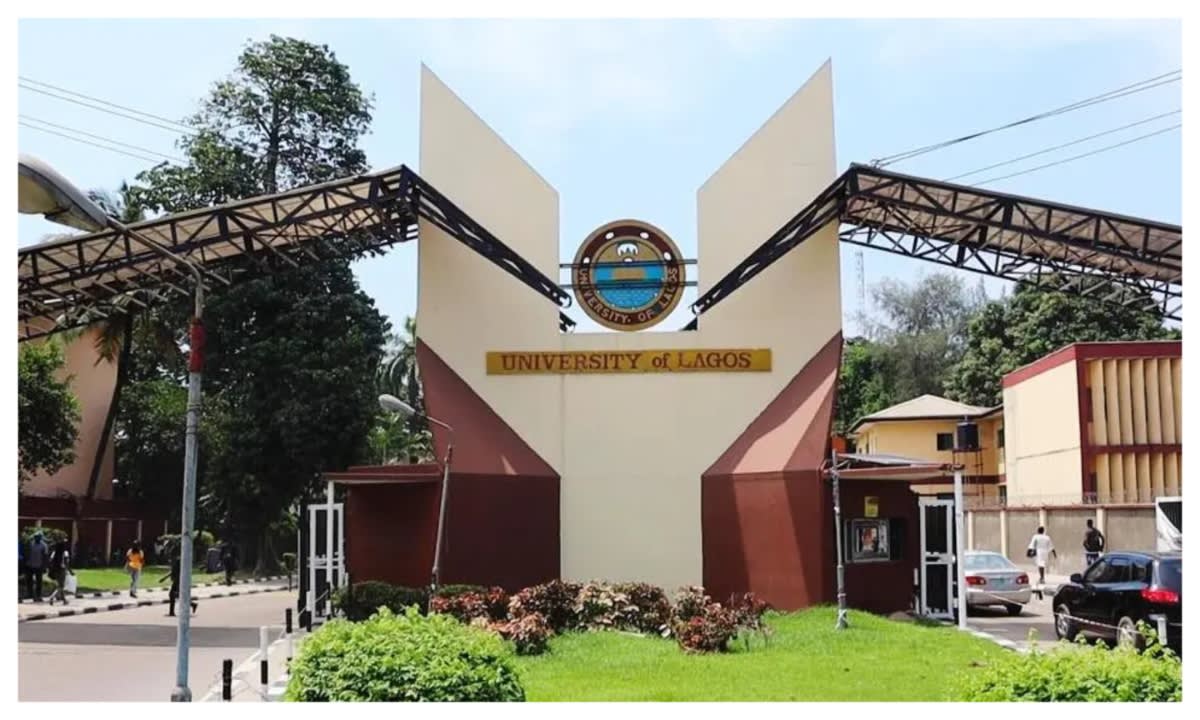
The 2026 admission cut offs, announced after a policy meeting in Abuja, establish the minimum scores required for entry into Nigerian universities. For medical programs, the thresholds vary significantly by institution. Federal universities, including the University of Lagos, have set high benchmarks, often requiring scores above 280. In contrast, some private institutions have adopted lower thresholds, such as 160 at Pan Atlantic University.
Why Public Health Officials Are Concerned
Public health advocates warn that these disparities in admission policies could exacerbate existing healthcare inequities. Nigeria already faces a critical shortage of doctors, with an estimated 2,000 physicians leaving the country annually for opportunities abroad. High cut off scores may limit the number of new graduates entering the workforce, further straining domestic healthcare capacity.
The policy also raises concerns about specialization bottlenecks. Competitive entry requirements for medicine and surgery programs could reduce diversity in medical training, potentially leaving rural and underserved areas with fewer specialists. Additionally, the divide between public and private institutions highlights equity issues in access to medical education.
Symptoms or Risk Factors
The structural challenges in Nigeria’s medical education system compound the impact of these admission policies. Many medical schools operate with less than 20% of the required teaching staff, relying heavily on adjunct lecturers. Only 37% of teaching hospitals meet the accreditation standards set by the Medical and Dental Council of Nigeria for postgraduate training. Outdated curricula in some institutions also fail to address emerging health threats, such as antimicrobial resistance and the rise of non communicable diseases.
Who May Be Affected
The new cut off policies will primarily impact aspiring medical students, particularly those from lower income backgrounds who may struggle to meet the high thresholds at federal universities. Rural communities could face the brunt of the consequences, as fewer doctors may be trained to serve these areas. Additionally, patients relying on public healthcare systems may experience longer wait times and reduced access to specialized care as the workforce shortage persists.
Government or WHO Response
Health officials have acknowledged the need for a balanced approach to medical education reform. While maintaining high standards is essential, there is growing recognition that admission policies must align with the country’s epidemiological realities. The Nigerian Institute of Medical Research has called for a holistic review of medical education, from admission criteria to postgraduate training, to ensure alignment with national health security goals.
Prevention and Safety Guidance
To mitigate the potential negative impacts of the new cut off policies, experts recommend expanding the number of accredited medical schools and increasing investment in faculty recruitment and training. Updating curricula to include modern health challenges, such as digital health technologies and antimicrobial resistance, could also help prepare future doctors for the evolving healthcare landscape. Policymakers are urged to consider targeted scholarships and financial aid programs to support students from underserved regions.
What Readers Should Know
Nigeria’s 2026 medical school cut offs are more than academic benchmarks; they are a critical factor in shaping the country’s healthcare workforce for the next decade. While high standards are necessary to ensure quality, they must be balanced with policies that expand access to medical education and address the structural challenges in the system. The decisions made today will determine whether Nigeria can meet its healthcare workforce needs and improve health outcomes for its population.
Key Takeaways
- Nigeria’s 2026 university admission cut offs for medical programs could deepen the country’s doctor shortage crisis by limiting access to training.
- High thresholds at federal universities may disproportionately affect students from lower income backgrounds and exacerbate healthcare inequities.
- Structural challenges in medical education, such as faculty shortages and outdated curricula, compound the impact of admission policies.
- Public health experts urge a balanced approach to medical education reform, ensuring alignment with national health security goals.
- Expanding accredited medical schools, increasing faculty recruitment, and updating curricula are critical steps to address the workforce shortage.
Frequently Asked Questions
How do Nigeria’s 2026 medical school cut offs compare to previous years?
The 2026 cut offs follow a trend of increasing thresholds at federal universities, particularly for competitive programs like medicine and surgery. While specific comparisons to prior years are not yet available, the new benchmarks reflect ongoing efforts to maintain high educational standards amid persistent workforce shortages.
What are the consequences of Nigeria’s doctor patient ratio?
Nigeria’s estimated doctor patient ratio of one physician per 5,000 citizens is well below the World Health Organization’s recommended ratio of one doctor per 1,000 people. This imbalance contributes to longer wait times, reduced access to specialized care, and increased pressure on the existing healthcare workforce.
How can policymakers address the inequities in medical education access?
Experts recommend expanding the number of accredited medical schools, increasing investment in faculty recruitment, and offering targeted scholarships and financial aid programs. Additionally, updating curricula to address modern health challenges and improving postgraduate training standards could help create a more equitable and prepared healthcare workforce.
What role do private universities play in Nigeria’s medical education system?
Private universities, such as Pan Atlantic University, have adopted lower admission thresholds compared to federal institutions. While this may increase access to medical education for some students, it also raises questions about the quality and consistency of training across institutions.
How does Nigeria’s medical education system address emerging health threats?
Many medical schools in Nigeria operate with outdated curricula that do not adequately address emerging health threats, such as antimicrobial resistance and non communicable diseases. Updating these curricula to include modern health challenges is a critical step in preparing future doctors for the evolving healthcare landscape.
Medical Review: MedSense Editorial Board








DISCUSSION (0)
POST A COMMENT