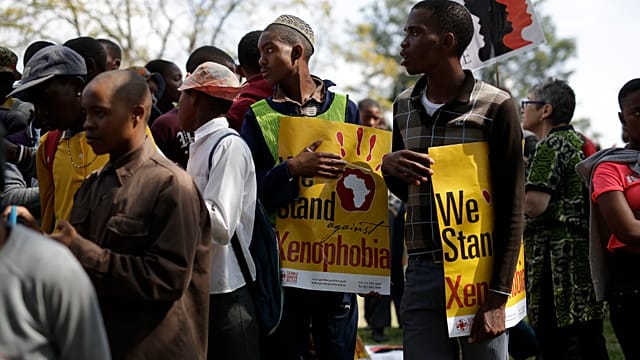
Ghana’s government has launched an emergency repatriation operation to evacuate hundreds of its citizens from South Africa, where escalating xenophobic violence has forced foreign nationals into makeshift shelters and left medical facilities in disarray. The move follows a surge in attacks targeting migrants, including Ghanaians, in cities across South Africa, where clinics, pharmacies, and informal health posts have been vandalized or shut down.
Health officials warn that the violence is not only a humanitarian emergency but a public health crisis, with displaced populations facing heightened risks of injury, infectious disease outbreaks, and severe psychological trauma. The World Health Organization (WHO) has raised concerns about the collapse of healthcare services in affected areas, where foreign owned medical facilities have been primary targets.
What Happened
The repatriation effort comes amid a sharp escalation in xenophobic violence in South Africa, where protests over economic hardship and unemployment have devolved into targeted attacks on migrant communities. Reports indicate that foreign nationals, including Ghanaians, have been subjected to looting, arson, and physical assaults in Johannesburg, Pretoria, and other urban centers. Healthcare infrastructure has borne the brunt of the unrest, with clinics and pharmacies forced to close or relocate, leaving residents without access to essential medicines and care.
Why Public Health Officials Are Concerned
Public health experts describe the situation as a dual crisis: a humanitarian emergency compounded by the collapse of critical health services. The WHO has warned that the displacement of thousands of people into overcrowded shelters increases the risk of communicable disease outbreaks, including COVID 19 and tuberculosis. Médecins Sans Frontières (MSF) has reported that access to medical aid in affected areas remains severely limited due to ongoing violence, further exacerbating health risks for vulnerable populations.
The psychological toll is equally alarming. Mental health professionals anticipate a surge in anxiety, depression, and post traumatic stress disorder (PTSD) among returnees, many of whom have witnessed or experienced violence firsthand. The sudden influx of displaced individuals may also overwhelm Ghana’s healthcare system, particularly in urban areas where resources are already constrained.
Symptoms or Risk Factors
For those displaced or injured in the violence, immediate health risks include:
- Physical injuries from assaults or arson, including burns, fractures, and lacerations.
- Exposure to infectious diseases in crowded, unsanitary shelter conditions, such as respiratory infections, diarrheal illnesses, and vaccine preventable diseases.
- Mental health crises, including acute stress reactions, depression, and PTSD, particularly among children and vulnerable adults.
- Disrupted access to chronic disease management, such as diabetes, hypertension, or HIV treatment, due to the closure of clinics and pharmacies.
Who May Be Affected
The crisis disproportionately impacts migrant communities, including Ghanaians and other foreign nationals living in South Africa. However, the ripple effects extend to:
- Local South African residents who rely on foreign owned clinics and pharmacies for affordable healthcare.
- Healthcare workers in affected areas, who face heightened risks of violence and burnout.
- Ghana’s public health system, which must now prepare to absorb returnees requiring medical care, mental health support, and social reintegration services.
Government or WHO Response
Ghana’s Ministry of Health has activated a national task force to coordinate the repatriation effort, including pre departure health screenings, mental health assessments, and logistical support for returnees. The government has also pledged to provide emergency medical care and psychosocial support upon arrival.
The WHO has deployed rapid response teams to assess health needs in affected areas and support local authorities in restoring essential services. Meanwhile, MSF has established mobile clinics in some displacement sites to deliver primary care and refer patients to functioning health facilities. South Africa’s government has condemned the violence and pledged to restore order, but security challenges persist in many communities.
Prevention and Safety Guidance
For migrants and foreign nationals in South Africa, the following precautions are advised:
- Avoid areas known to be hotspots for unrest and stay informed through official government and UN channels.
- Seek shelter in designated safe zones or community centers where humanitarian organizations are providing support.
- If injured or in need of medical care, contact local health authorities or humanitarian groups like MSF for assistance.
- For those returning to Ghana, follow health screening protocols and seek mental health support if experiencing trauma or distress.
Healthcare providers in both countries are urged to prioritize the needs of displaced populations, including offering trauma informed care and ensuring continuity of treatment for chronic conditions.
What Readers Should Know
This crisis underscores the fragile intersection of public health and social instability. Xenophobic violence does not only endanger lives directly; it dismantles healthcare networks, displaces communities, and creates conditions ripe for disease outbreaks. The repatriation of Ghanaians from South Africa is a necessary step, but it also transfers the burden to Ghana’s health system, which must now prepare for an influx of returnees with complex medical and psychological needs.
International cooperation will be critical to mitigating the fallout. Donor agencies, NGOs, and governments must coordinate efforts to provide medical aid, mental health support, and long term reintegration programs. Without such measures, the health and humanitarian consequences of this crisis could reverberate across borders for years to come.
Key Takeaways
- Xenophobic violence in South Africa has disrupted healthcare services, displaced thousands, and created a public health emergency.
- Displaced migrant communities face risks of infectious diseases, physical injuries, and severe psychological trauma.
- Ghana’s repatriation effort includes health screenings and mental health support, but the influx may strain local healthcare systems.
- The WHO and MSF are providing emergency medical aid, but access remains limited due to ongoing violence.
- Long term solutions require international cooperation to address both immediate health needs and root causes of social instability.
Frequently Asked Questions
What triggered the recent xenophobic violence in South Africa?
The unrest began as protests against economic inequality and unemployment but escalated into targeted attacks on migrant communities, including Ghanaians. Many foreign nationals have been scapegoated for systemic failures, including job shortages and rising living costs.
How is Ghana preparing to receive returnees?
Ghana’s Ministry of Health has activated a task force to coordinate repatriation, including pre departure health screenings, mental health assessments, and emergency medical care upon arrival. The government has also pledged psychosocial support and logistical assistance.
What health risks do displaced migrants face?
Displaced populations are at risk of physical injuries, infectious diseases in crowded shelters, and severe psychological trauma, including anxiety, depression, and PTSD. Access to chronic disease management, such as HIV or diabetes treatment, may also be disrupted.
How is the WHO responding to the crisis?
The WHO has deployed rapid response teams to assess health needs in affected areas and support local authorities in restoring essential services. The organization is also working to prevent disease outbreaks in displacement sites.
What can migrants in South Africa do to stay safe?
Migrants are advised to avoid areas known for unrest, seek shelter in designated safe zones, and stay informed through official government and UN channels. Those in need of medical care should contact local health authorities or humanitarian groups like MSF.
Medical Review: MedSense Editorial Board








DISCUSSION (0)
POST A COMMENT