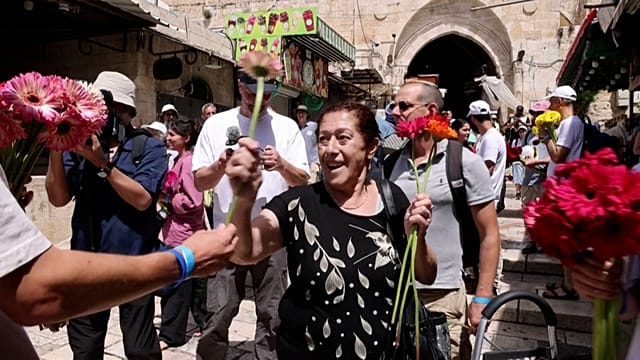
Jerusalem’s annual flag march has once again thrust the city into global headlines, but the focus this year extends beyond political tensions to a mounting public health crisis affecting Palestinian communities in East Jerusalem.
Medical professionals, humanitarian organizations, and local residents report severe disruptions to healthcare services, including delayed emergency responses, restricted hospital access, and critical shortages of medical supplies. The psychological toll on residents, particularly children and the elderly, has intensified, with mental health providers documenting a sharp rise in anxiety, depression, and post traumatic stress disorder cases.
What Happened
As thousands gathered for the flag march, healthcare systems in East Jerusalem faced unprecedented strain. The Israeli Medical Association confirmed multiple instances where patients requiring urgent care were unable to reach hospitals due to roadblocks and checkpoints. The Palestine Red Crescent Society reported critical shortages of oxygen, blood products, and essential medications, while staff shortages further exacerbated the crisis.
Why Public Health Officials Are Concerned
Public health experts warn that the intersection of political conflict and healthcare disruption creates a volatile environment with far reaching consequences. Trauma injuries from clashes, disruptions to chronic disease management, and heightened risks of infectious disease outbreaks are among the primary concerns. Overcrowding in shelters and limited access to clean water and sanitation have increased the vulnerability of residents to waterborne illnesses and respiratory infections.
Symptoms or Risk Factors
Residents in East Jerusalem are experiencing a range of health risks directly linked to the current tensions. These include:
- Delayed or denied access to emergency medical care due to movement restrictions.
- Exacerbation of chronic conditions, such as diabetes, hypertension, and kidney disease, due to interrupted treatment regimens.
- Increased psychological distress, including anxiety, depression, and PTSD, particularly among children and the elderly.
- Higher susceptibility to infectious diseases, including COVID 19 and waterborne illnesses, due to overcrowding and inadequate sanitation.
Who May Be Affected
The health crisis disproportionately impacts vulnerable populations in East Jerusalem, including:
- Patients with chronic illnesses who rely on regular medical care.
- Children and the elderly, who are more susceptible to psychological distress and infectious diseases.
- Low income families, who face additional barriers to accessing healthcare services.
- Healthcare workers, who are operating under extreme stress and resource constraints.
Government or WHO Response
While specific government responses remain limited, the World Health Organization (WHO) has called for the protection of healthcare services and the facilitation of unimpeded access to medical care for all residents. The WHO emphasized the need for urgent international support to address the growing humanitarian and public health crisis in East Jerusalem.
Prevention and Safety Guidance
Healthcare professionals and humanitarian organizations recommend the following measures to mitigate the crisis:
- Ensuring safe passage for ambulances and patients to reach hospitals without delay.
- Prioritizing the delivery of essential medical supplies, including oxygen, blood products, and medications.
- Expanding mental health support services to address the surge in psychological distress.
- Improving sanitation and access to clean water in shelters and temporary housing to reduce the risk of infectious disease outbreaks.
What Readers Should Know
This crisis highlights the urgent need for sustained international attention and coordinated action to protect healthcare systems in conflict zones. The disruption of medical services not only threatens immediate health outcomes but also undermines long term public health resilience. Readers should be aware of the broader implications of political conflict on healthcare access and the critical role of humanitarian organizations in mitigating these risks.
Key Takeaways
- Jerusalem’s flag march has triggered severe disruptions to healthcare access in East Jerusalem, including delayed emergency responses and critical shortages of medical supplies.
- Mental health crises, particularly among children and the elderly, have surged due to prolonged tensions and psychological distress.
- Patients with chronic illnesses face life threatening disruptions to treatment regimens, including dialysis and oncology care.
- Overcrowding and inadequate sanitation increase the risk of infectious disease outbreaks, including COVID 19 and waterborne illnesses.
- Healthcare professionals and humanitarian organizations are calling for urgent international support to address the growing public health emergency.
Frequently Asked Questions
How are movement restrictions affecting healthcare access in East Jerusalem?
Movement restrictions imposed during the flag march have severely disrupted healthcare access. Patients requiring urgent care, including those with chronic illnesses, have faced delays or denials in reaching hospitals due to roadblocks and checkpoints. Ambulances have also encountered difficulties in responding to emergencies in a timely manner.
What are the primary mental health concerns among residents in East Jerusalem?
Mental health providers report a significant increase in anxiety, depression, and post traumatic stress disorder cases, particularly among children and the elderly. The prolonged tensions and fear of violence have contributed to a surge in psychological distress across the community.
Are there shortages of essential medical supplies in East Jerusalem?
Yes. The Palestine Red Crescent Society has warned of critical shortages in medical supplies, including oxygen, blood products, and essential medications. Staff shortages, exacerbated by movement restrictions, have further strained an already fragile healthcare system.
What steps are being taken to address the crisis?
The World Health Organization (WHO) has called for the protection of healthcare services and unimpeded access to medical care for all residents. Humanitarian organizations are also advocating for the delivery of essential supplies and expanded mental health support services.
Who is most affected by the healthcare disruptions?
The crisis disproportionately impacts vulnerable populations, including patients with chronic illnesses, children, the elderly, and low income families. Healthcare workers are also under extreme stress due to resource constraints and the psychological toll of the situation.
Medical Review: MedSense Editorial Board








DISCUSSION (0)
POST A COMMENT