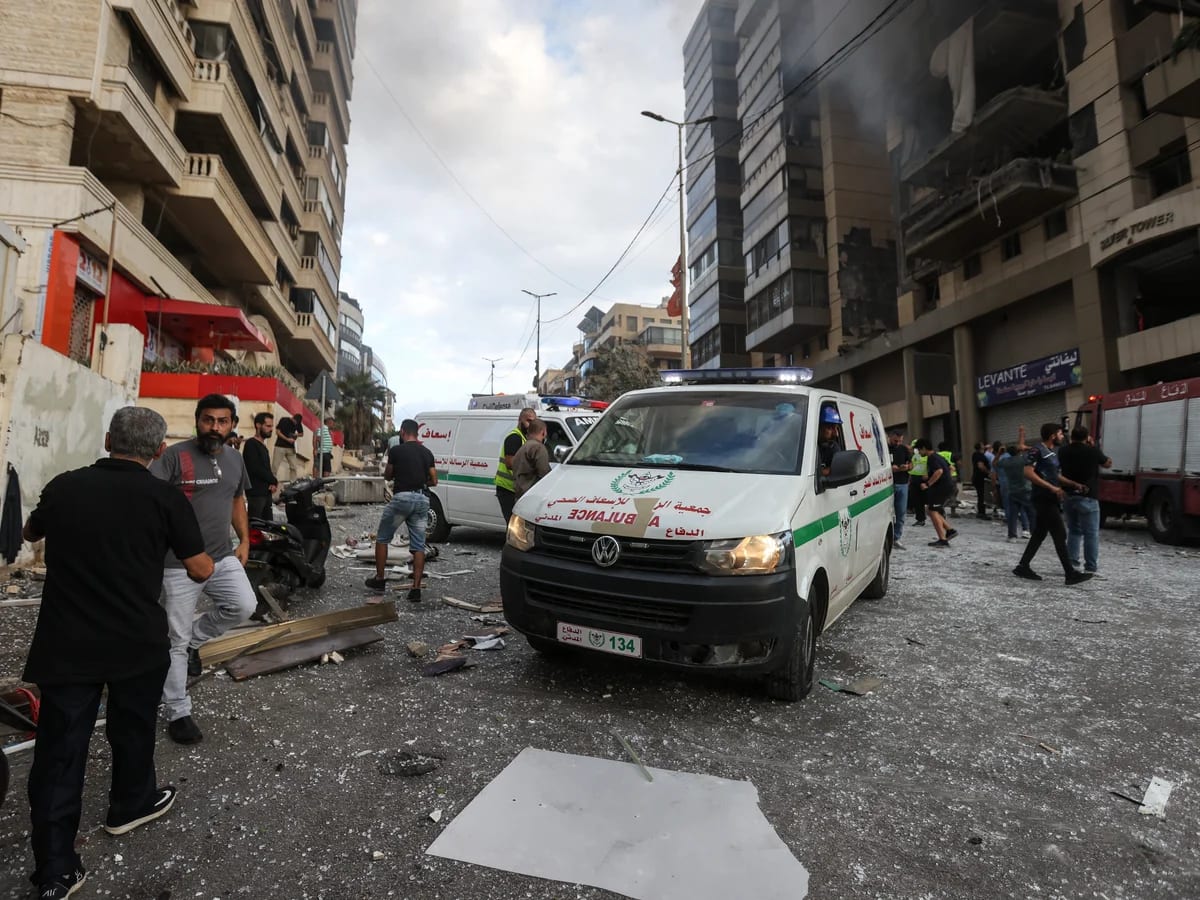
Beirut, Lebanon, Lebanon’s healthcare system, once a fragile pillar of stability in a region plagued by instability, is now collapsing under the weight of war. Hospitals and clinics that survived decades of economic mismanagement and political paralysis are now being systematically targeted, leaving patients without access to life saving care. The deliberate destruction of medical infrastructure has pushed the system to the brink, with dire consequences for civilians caught in the crossfire.
What Happened
Since October 2023, Israeli airstrikes have directly hit at least 12 hospitals and clinics across southern Lebanon, including facilities in Tyre and Nabatieh, according to Médecins Sans Frontières (MSF). The attacks have reduced entire wings of hospitals to rubble, rendering them inoperable. Ambulances transporting patients have also been struck, killing at least two paramedics and injuring others in January 2024 alone. These incidents violate international humanitarian law, which protects medical transport under the Geneva Conventions.
Why Public Health Officials Are Concerned
The deliberate targeting of healthcare facilities is not an accidental consequence of war but a calculated strategy to deny civilians access to medical care. The World Health Organization (WHO) has warned that such attacks exacerbate humanitarian suffering and violate the fundamental right to health. The destruction of hospitals and clinics disrupts treatment for chronic diseases, maternal care, and emergency services, leaving entire communities vulnerable.
Symptoms or Risk Factors
Patients with pre existing conditions such as diabetes, cancer, and kidney disease face immediate risks due to interrupted treatment. Chemotherapy sessions have been canceled, insulin supplies have run out, and dialysis machines sit idle for lack of fuel to power them. Pregnant women in conflict affected areas are unable to access prenatal or postnatal care, leading to a spike in complications and stillbirths. The WHO reports that nearly 80% of Lebanon’s population now exhibits symptoms of severe psychological distress, including anxiety, depression, and PTSD.
Who May Be Affected
The collapse of Lebanon’s healthcare system disproportionately impacts vulnerable populations, including pregnant women, children, the elderly, and those with chronic illnesses. Healthcare workers, already in short supply due to the exodus of skilled professionals, are also at risk. Nearly 40% of doctors and nurses have left the country since 2019, leaving hospitals understaffed and overburdened. Those who remain often work without adequate supplies or protective equipment, putting their lives at risk.
Government or WHO Response
The United Nations has issued an appeal for $1.1 billion to support Lebanon’s health system, but only 30% of the funding has been secured. The WHO has provided emergency supplies, including medicines and medical equipment, but the scale of the crisis far outstrips available resources. The UN Security Council has failed to pass resolutions condemning the attacks on healthcare, with vetoes from permanent members deepening the impasse. Meanwhile, local NGOs and volunteer groups have stepped into the void, operating makeshift clinics in basements and underground shelters.
Prevention and Safety Guidance
Experts emphasize that targeted interventions could mitigate the worst outcomes. A halt to hostilities is the only way to prevent further destruction of medical infrastructure and allow for the delivery of critical aid. The establishment of demilitarized zones around hospitals and clinics, enforced by international monitors, could safeguard these lifelines. Sustainable funding from the international community, including the IMF and World Bank, is needed to rebuild Lebanon’s health system from the ground up. Investing in Lebanese healthcare workers and NGOs, rather than relying solely on foreign aid, can ensure solutions are culturally and contextually appropriate.
What Readers Should Know
Lebanon’s healthcare system was already struggling due to decades of economic mismanagement, political fragmentation, and the 2020 Beirut port explosion. The current conflict has pushed the system over the edge, with hospitals operating at 10% capacity in some areas. The deliberate targeting of hospitals and clinics is a violation of international humanitarian law and a strategy of war that prioritizes military objectives over human life. Without urgent intervention, Lebanon risks becoming a case study in how war erases decades of medical progress in a single generation.
Key Takeaways
- Lebanon’s healthcare system, already crippled by economic collapse and political instability, is now facing deliberate destruction from war.
- Hospitals and clinics are being directly targeted, violating international humanitarian law and leaving patients without critical care.
- Vulnerable populations, including pregnant women, children, the elderly, and those with chronic illnesses, are disproportionately affected.
- The international community’s response has been insufficient, with only 30% of a $1.1 billion UN appeal funded.
- Urgent action, including a ceasefire, protected medical corridors, and sustainable funding, is needed to prevent further catastrophe.
Frequently Asked Questions
How many hospitals and clinics have been hit in Lebanon since October 2023?
According to Médecins Sans Frontières (MSF), at least 12 hospitals and clinics have been directly hit or damaged in Israeli airstrikes since October 2023.
What are the immediate risks for patients with chronic illnesses?
Patients with chronic illnesses such as diabetes, cancer, and kidney disease face interrupted treatment, canceled chemotherapy sessions, and shortages of essential medicines like insulin. Dialysis machines are also inoperable due to lack of fuel.
How has the exodus of healthcare workers impacted Lebanon’s health system?
Nearly 40% of doctors and nurses have left Lebanon since 2019, leaving hospitals understaffed and overburdened. Those who remain often work without adequate supplies or protective equipment.
What is the international community doing to address the crisis?
The United Nations has issued an appeal for $1.1 billion to support Lebanon’s health system, but only 30% of the funding has been secured. The WHO has provided emergency supplies, and local NGOs are operating makeshift clinics, but the scale of the crisis far outstrips available resources.
What can be done to protect Lebanon’s healthcare system?
Experts emphasize that a halt to hostilities is critical to prevent further destruction. The establishment of demilitarized zones around hospitals and clinics, enforced by international monitors, could safeguard these lifelines. Sustainable funding and investment in local healthcare workers and NGOs are also essential.
Medical Review: MedSense Editorial Board








DISCUSSION (0)
POST A COMMENT